
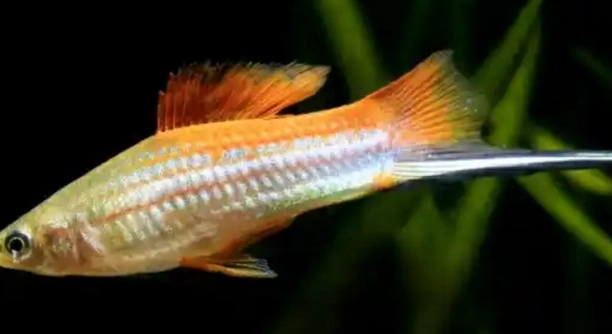
Swordtails are a popular species of freshwater fish known for their colorful appearance and active nature. Many aquarists wonder how much these fish can actually recognize their environment and if they can tell the difference between different areas of their tank.
Swordtails have been shown to recognize specific areas within their tank. They can learn to associate certain spaces with food, shelter, or other environmental cues, which suggests a level of spatial memory and environmental awareness.
This ability to recognize different areas of their tank can affect their behavior and interactions with other fish. Understanding how swordtails navigate their environment can help improve the conditions of their tank and their overall well-being.
How Swordtails Recognize Their Tank Area
Swordtails can develop a strong sense of spatial awareness within their tank. Through repeated experiences, such as feeding times or resting spots, they start to form mental maps of their environment. This ability allows them to navigate and return to familiar areas, especially if certain zones are associated with food or shelter. They might swim towards a particular spot when hungry or seek out a hiding place when stressed.
Swordtails primarily rely on visual cues, like the tank’s layout, and even the presence of other fish. They can also use their sense of smell to identify different zones in their habitat. Over time, they associate these sensory cues with specific actions or outcomes.
It’s important to note that this recognition is not instantaneous. Swordtails need time to adjust to their tank’s layout and will learn which areas are safe or comfortable for them. They may explore their environment more thoroughly until they feel familiar with it. Aquarists can help by keeping the tank’s setup consistent, ensuring that the fish feel secure in their surroundings.
Behavior Patterns Linked to Tank Areas
Swordtails are known to respond to certain areas with specific behaviors. For example, they may swim near the tank’s top where they expect feeding or rest in darker, more secluded corners. These behaviors can change over time as swordtails grow more familiar with their environment.
Swordtails tend to exhibit consistent behavior patterns as they begin recognizing specific areas. If the tank’s setup changes, it might confuse them for a while. However, after a few days, they’ll often adapt and find new routines based on their evolving understanding of the space. This is especially true if the new setup involves familiar elements like decorations or hiding spots. If swordtails associate a specific area with a positive experience, such as receiving food, they may return to that same spot repeatedly, reinforcing the connection. Therefore, a well-structured tank can encourage more natural, comfortable behavior in your swordtails. This can also improve their overall health, as they are less likely to become stressed or disoriented.
Tank Layout and Fish Behavior
The layout of a swordtail’s tank plays a significant role in their ability to recognize different areas. They learn quickly which spots offer food, shelter, or safety. A consistent tank design helps them navigate more easily.
Swordtails tend to spend more time in areas that meet their needs, like spaces with hiding spots or plants. Over time, they create mental maps of these spots and associate them with certain activities. For example, they may swim towards the surface or a specific corner when they know it’s feeding time. Aquarists can enhance this learning by keeping the tank’s layout stable. If you rearrange the decor too often, it might confuse the fish, especially when they’re trying to recognize safe areas or routine zones. Keeping the tank organized helps reduce stress for swordtails.
Adding plants, rocks, or other decorations in specific locations can guide swordtails toward preferred areas. They’ll start associating these landmarks with food or rest. This predictable layout can make them feel more comfortable, lowering stress levels and improving overall health. Over time, they’ll even learn to avoid areas where they’ve had negative experiences, like spots with aggressive tank mates.
Training Swordtails Through Consistency
Swordtails, like many fish, thrive in environments that are consistent. If feeding times or tank arrangements stay the same, they can recognize their space more easily. They start associating different parts of the tank with specific behaviors.
Consistency is key to their comfort. For instance, if you always feed them at the same time and in the same area, they will quickly learn to expect food in that location. Over time, this routine becomes ingrained in their behavior. They may even start swimming toward that area when they sense it’s time to eat, based on the familiar cues of their tank environment. Changing the setup or moving the food area may disrupt this pattern, potentially causing confusion and stress for the fish.
By keeping these routines steady, swordtails will feel more secure in their tank. They can rely on their mental map to navigate their environment and react predictably to different situations. A calm, predictable environment leads to healthier, happier fish.
Environmental Cues and Recognition
Swordtails rely on a mix of visual and environmental cues to recognize their tank areas. These cues help them navigate and find comfort in their environment. Factors like lighting, tank layout, and even water flow can play a role.
By observing their surroundings, swordtails can associate certain areas with activities like feeding or resting. The tank’s lighting can influence their behavior, as they might gravitate toward brighter areas when they’re active and seek out darker spots when they want to hide. Water flow also has an effect, as swordtails tend to avoid areas where the current is too strong. This combination of cues helps them form a mental map of their space.
Tank changes that affect these cues can disrupt the swordtails’ ability to recognize areas. A sudden shift in water conditions or lighting might cause confusion, leading to stress. Keeping these environmental factors steady is key to ensuring your swordtails feel secure.
Social Interaction and Tank Area Recognition
Swordtails also use social cues to help them recognize their space. They may associate certain areas with the presence of other fish. This social aspect can influence their behavior in various ways.
When swordtails share their tank with other fish, they can develop preferences for certain areas based on social interactions. For instance, they may choose to stay near peaceful tank mates or avoid more aggressive ones. Swordtails might learn to recognize areas where they feel safer or where interactions with other fish are more pleasant. These social preferences, along with environmental cues, help swordtails navigate and feel more comfortable in their space. Understanding these dynamics can help you create a more harmonious tank for all your fish.
Impact of Tank Size on Area Recognition
Swordtails’ ability to recognize their tank areas also depends on the size of the tank. A larger tank offers more space for exploration and more areas for them to learn.
FAQ
Can swordtails remember their tank area?
Yes, swordtails can remember specific areas of their tank. They rely on a combination of environmental cues and visual landmarks to navigate their space. Over time, they develop a mental map of the tank, learning which areas are associated with food, rest, or shelter. Swordtails are capable of recognizing these areas and will return to them when needed, showing signs of spatial memory and familiarity.
Do swordtails recognize their owners?
Swordtails are not known for forming strong bonds with their owners like some other fish species, such as bettas. However, they can recognize the person who regularly feeds them or interacts with the tank. They may respond to the presence of their owner, especially when they associate their human with food or care. While not as interactive as some fish, swordtails can still learn to associate their owners with positive experiences.
How do swordtails navigate their tank?
Swordtails use a combination of visual cues, smell, and spatial memory to navigate their tank. They observe their environment and learn to associate specific spots with activities like feeding, shelter, or rest. Swordtails are able to recall these learned associations, helping them move easily around their tank. They are naturally curious and explore their surroundings, learning the layout of the tank over time.
Can swordtails get stressed if their tank layout changes?
Yes, swordtails can become stressed if their tank layout changes too drastically. Fish rely on their environment for security and routine. A sudden change in the tank’s layout can disorient them, causing confusion and stress. It’s important to make gradual changes to the tank setup, giving the swordtails time to adjust. Regular feeding areas, familiar decorations, and a consistent layout will help them feel more comfortable.
How can I make my swordtail feel more comfortable in their tank?
To make your swordtail feel more comfortable, provide a stable and predictable environment. Keep the tank’s layout consistent and offer plenty of hiding spots, plants, and objects they can swim around. Swordtails also appreciate clean, well-maintained water. Maintaining a routine for feeding and tank cleaning will help them associate certain areas with comfort and security.
Do swordtails prefer certain areas of the tank?
Yes, swordtails do have preferences for certain areas of the tank. They tend to gravitate towards places where they feel safe, like near plants or decorations that provide shelter. Swordtails may also prefer specific areas based on the water temperature, light levels, or even the presence of other fish. These preferences can change depending on their mood, social interactions, or environmental factors.
How do swordtails communicate with each other?
Swordtails communicate primarily through body language and behavior. They may use displays of color, fin movement, and body posture to signal aggression, dominance, or mating intentions. For example, males may show off brighter colors or chase females during mating displays. They may also use postures to establish territories or interact with other fish in the tank. These social cues are part of their natural behavior, helping them navigate relationships and spaces within the tank.
What can I do if my swordtail seems disoriented?
If your swordtail seems disoriented, check the tank’s environment. Changes in water quality, temperature, or layout can affect their behavior. Ensure the tank is clean, the water is properly filtered, and the temperature is stable. If you’ve made changes to the tank recently, give your swordtail time to adjust. Adding hiding spots or places of refuge can also help them feel more secure.
Do swordtails need to be in groups?
Swordtails are social fish and prefer to be kept in groups, although they do not need a large school to thrive. A small group of swordtails will provide them with the social interaction they need. If kept alone, swordtails may become more stressed or exhibit signs of loneliness. A group of two to four swordtails is generally ideal, but they should always be kept with peaceful tank mates. This helps them feel comfortable and safe in their environment.
Can swordtails recognize other fish in their tank?
Swordtails are capable of recognizing other fish in their tank. They can remember their tank mates and may develop preferences for certain individuals. They may also identify and avoid more aggressive fish or seek out peaceful companions for socializing. Swordtails’ recognition of other fish can influence their behavior, as they tend to interact more positively with familiar, non-threatening species.
How does water quality affect swordtail behavior?
Water quality has a significant impact on swordtail behavior. Poor water conditions, like high ammonia levels or low oxygen, can cause stress and discomfort. Swordtails may become lethargic, hide more often, or swim erratically if the water is unhealthy. Regular water changes and monitoring water parameters like pH, temperature, and nitrate levels are essential for keeping swordtails active and healthy. Clean water also helps swordtails feel secure and confident in their environment.
Final Thoughts
Swordtails are fascinating fish with the ability to recognize specific areas within their tank. Their spatial memory helps them feel secure in their environment, as they learn which spots are associated with food, shelter, and safety. Over time, they develop mental maps of their surroundings and can navigate the tank with ease. This ability is important for their well-being, as it allows them to feel comfortable and reduce stress. Keeping the tank layout consistent and providing familiar elements can help swordtails adjust to their environment more easily and feel at ease.
Understanding how swordtails use environmental cues, such as lighting, water flow, and tank decorations, to recognize areas in their tank is essential for creating a peaceful home for them. These fish are naturally curious, but they also thrive in environments that offer predictability and stability. If the tank layout changes too often or if there is an abrupt shift in water quality, swordtails may become confused or stressed. It’s best to make gradual changes, giving them time to adjust and reorient themselves to the new layout. Keeping a consistent routine for feeding and water maintenance can also help them feel secure and reduce any anxiety.
In conclusion, swordtails are adaptable and intelligent fish that benefit from a stable, well-maintained environment. They use their spatial memory and sensory cues to navigate their tank and find comfort in familiar spaces. By understanding their need for consistency and providing them with a comfortable, predictable habitat, you can help ensure that they remain healthy, happy, and less stressed. Keeping the tank setup simple and stable, while offering them opportunities to explore and interact, will go a long way in supporting their well-being.

Hello,
If you enjoy the content that we create, please consider saying a "Thank You!" by leaving a tip.
Every little bit helps us continue crafting quality advice that supports the health, happiness, and well-being of pets around the world, for pets of all shapes, sizes, and species.
We really appreciate the kindness and support that you show us!