
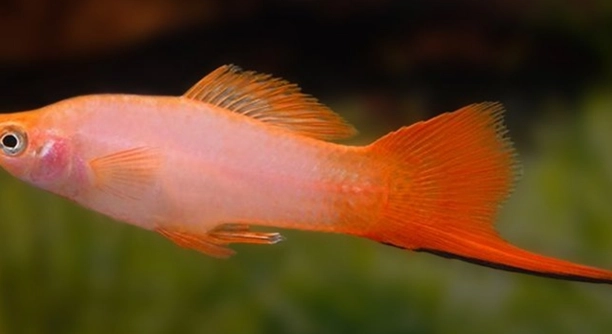
Swordtails are a popular aquarium fish known for their vibrant colors and active behavior. They are often admired for their interesting parenting skills, especially when it comes to caring for their fry. But can these fish recognize their own offspring?
Swordtails do not seem to exhibit clear recognition of their own fry. While they may protect their young in certain situations, there is no evidence to suggest they can distinguish between their own fry and others in the same tank.
Understanding how swordtails interact with their fry can shed light on their instincts and behaviors as parents. There are various factors to consider when raising swordtail fry, including the environment and interactions with other fish.
Swordtail Parental Behavior
Swordtails are known for their protective nature when it comes to their fry. However, they do not always display the same level of care for their offspring. In the wild, these fish face many threats, and protecting their young is essential for survival. In an aquarium, the situation is different. While swordtails may instinctively guard their fry for a short time, they tend to lose interest once they sense that the fry can fend for themselves. This change in behavior may occur quickly, with the parents moving on to other activities once the fry begin to swim and feed independently.
The protective behavior can be influenced by many factors such as the environment, tank size, and the presence of other fish. A larger tank with more hiding spots may provide a safer space for the fry, reducing the parents’ need to be constantly vigilant. Conversely, smaller tanks with fewer hiding areas may prompt the parents to remain protective for a longer period.
Swordtails’ parenting instincts aren’t as refined as those of some other species. They do not stay with their fry for extended periods, leaving them to figure things out on their own sooner than other fish. This natural behavior means that the fry must quickly adapt to the environment. They often rely on instinct to avoid danger and find food. This can make raising swordtail fry a bit more challenging, as their survival depends on their ability to grow and adapt quickly.
How Swordtails Handle Fry Recognition
When swordtails give birth, they don’t display the same level of recognition as some other species.
Unlike other animals that are known for their ability to bond with their offspring, swordtails lack this instinct. While they may show some level of care or attention in the early stages, this behavior is short-lived. Once the fry are no longer at risk, the parents tend to disengage.
Fry Care and Survival in the Tank
Swordtail fry face an uncertain start in life. Without strong parental care, they rely on their ability to hide and survive in the tank. Fry will often seek refuge in plants or tank decorations to avoid being eaten. As a result, providing plenty of hiding spots is crucial for their survival.
In most cases, swordtail fry are born fully formed, capable of swimming and feeding on their own. However, they are small and vulnerable to larger fish in the tank. Many aquarium keepers place them in a separate fry tank or use a breeding box to keep them safe. This setup helps reduce the risk of predation by adult swordtails or other fish in the aquarium.
Despite this, survival rates can still be low if the fry are not given the proper environment. The presence of natural plants or dense tank decorations can help the fry thrive, giving them a better chance to grow without constant danger. Regular monitoring and the right care will help boost their survival rate.
Swordtail Fry Feeding and Growth
Swordtail fry grow quickly, feeding on tiny particles in the water.
The first few days of their life are crucial for swordtail fry. They often start by eating infusoria, tiny microorganisms in the water. As they get older, they can begin eating finely crushed flakes or specially designed fry food. Proper feeding is essential for their growth, as this helps them develop strength to fend for themselves. Regular water changes and a clean tank are also important for maintaining good water quality, which supports the fry’s health and development.
Swordtail fry need more than just food to thrive. They need stable water conditions and a peaceful environment. If there are too many fish in the tank or if the water is dirty, the fry are more likely to become stressed and weak. The balance of feeding, clean water, and the right environment will determine how well the fry grow and develop into healthy, adult swordtails. The faster they grow, the better their chances are of avoiding predators and becoming strong enough to join the adult fish in the main tank.
Swordtail Tank Mates and Fry Safety
Tank mates can play a big role in the safety of swordtail fry.
While swordtails are generally peaceful, other tank mates might pose a threat to fry. Larger fish, or even some aggressive species, can easily eat the small fry if they aren’t protected. It’s essential to carefully choose tank mates that won’t harm the fry.
The best tank mates for swordtail fry are peaceful species that won’t see the fry as food. Some smaller fish, like neon tetras or guppies, can coexist with swordtail fry without putting them in danger. If the tank is filled with larger or more aggressive fish, it’s wise to separate the fry until they grow stronger.
The Role of Plants in Fry Protection
Plants in the aquarium provide valuable hiding spots for swordtail fry.
Swordtail fry use plants to escape predators. Thick plants, such as Java moss or hornwort, offer them a chance to stay hidden. These plants help fry grow and develop in a safe environment, increasing their chances of survival by providing places to hide from the adults.
FAQ
Can swordtail parents recognize their fry?
Swordtail parents do not seem to have the ability to recognize their fry. They may protect them initially, but as soon as the fry are capable of swimming and finding food on their own, the parents lose interest. There’s no evidence to suggest that swordtail fish can identify their own offspring in a tank setting. Instead, their instinct is more about survival than attachment, and they don’t show a preference for their fry over others in the same environment.
How long do swordtail fry stay with their parents?
Swordtail fry typically do not stay with their parents for long. Once born, they are able to swim and feed independently, and the parents often move on quickly. The fry are left to navigate the tank on their own, with some swordtails potentially guarding them for a short while but eventually losing interest as the fry grow. Within a few weeks, fry will become more independent, and the parents will no longer exhibit protective behaviors.
What can I do to protect swordtail fry from being eaten?
To protect swordtail fry from being eaten by adults or other fish, consider isolating them in a separate breeding tank or using a breeding box. These options will help ensure the fry have a safe space to grow. Adding plenty of plants and decorations in the tank also helps create hiding spots, where fry can stay out of sight of potential predators. Keeping the fry in a safe area for at least the first few weeks is crucial for their survival.
What do swordtail fry eat?
Swordtail fry primarily eat tiny food particles in the water during their first few days of life, such as infusoria. As they grow, you can introduce finely crushed fish flakes, baby brine shrimp, or specially designed fry food. These foods are easy for them to consume and provide the necessary nutrients to support their growth. It’s important to feed them small amounts multiple times a day to encourage healthy development.
How fast do swordtail fry grow?
Swordtail fry grow relatively quickly, especially when they are provided with a healthy environment. Within a few weeks, they can begin to look more like miniature adult swordtails. Fry growth depends on factors like water quality, feeding habits, and tank conditions. In an optimal environment, swordtail fry can reach adulthood in about 3 to 4 months. However, their growth rate may slow down if the water is poor or if they don’t get enough food.
Do I need to separate swordtail fry from other fish in the tank?
It’s usually a good idea to separate swordtail fry from adult fish, especially if you have larger or more aggressive species in the tank. Adult swordtails may not actively hunt their fry, but they can sometimes eat them by accident or show aggressive behavior that stresses the fry. Creating a separate space for the fry to grow and develop ensures they have a better chance of surviving to adulthood.
What is the best water temperature for swordtail fry?
Swordtail fry thrive in water temperatures between 72°F and 78°F (22°C to 26°C). Keeping the water within this range promotes healthy growth and development. Temperatures that are too high or too low can stress the fry, making them more susceptible to disease and reducing their chances of survival. It’s important to monitor the water temperature regularly to ensure it stays stable.
What is the best tank size for swordtail fry?
A tank of at least 10 to 20 gallons is ideal for swordtail fry. A larger tank provides more space for the fry to swim and explore, reducing the likelihood of stress and overcrowding. It also allows for better water quality management and the inclusion of plants or decorations to provide hiding spots. If you plan to raise a significant number of fry, a larger tank will help ensure they have enough space to grow comfortably.
Can swordtail fry survive with other types of fry?
Swordtail fry can usually coexist with other types of fry, as long as the other species are not aggressive or large enough to pose a threat. However, it’s important to monitor their interactions. Fry from different species may have different feeding requirements and growth rates, so it’s essential to provide the proper care for all of them in the tank. Keeping species that are similarly sized and have similar needs will help reduce stress among the fry.
How do I know if my swordtail fry are healthy?
Healthy swordtail fry are active, have vibrant colors, and swim freely around the tank. They should be eating regularly and growing steadily. If the fry appear lethargic, have faded colors, or show signs of illness such as bloating or irregular swimming patterns, it could indicate a problem with the water quality, their diet, or a health issue. Regular water changes and a balanced diet can help maintain the fry’s health and prevent many common issues.
Final Thoughts
Raising swordtail fry can be both rewarding and challenging. Unlike other fish species, swordtails do not provide long-term care for their offspring, leaving the fry to fend for themselves early on. While this might seem concerning, swordtail fry are born capable of swimming and feeding, which gives them a good chance at survival. The key to successful fry raising lies in providing a safe environment with plenty of hiding spots, good water quality, and proper food. When given the right conditions, swordtail fry can grow quickly and become healthy adults.
Providing enough protection for the fry is essential. Adult swordtails and other fish in the tank can pose a threat to the young, as they may view the fry as food. Isolating the fry in a separate breeding box or tank, especially during their early stages, can significantly increase their survival rate. Additionally, including plants or tank decorations helps create a more secure environment for the fry. With these steps, it’s possible to ensure the fry’s safety and encourage their growth into strong, healthy swordtails.
Ultimately, the lack of parental care from swordtail adults means that the fry must rely heavily on their instincts and the environment to thrive. While they may not have the advantage of being recognized and nurtured by their parents, swordtail fry can still survive and grow in the right conditions. With proper care, attention to water quality, and appropriate tank mates, swordtail fry can reach adulthood and join the rest of the aquarium community, bringing joy to those who are dedicated to helping them grow.

Hello,
If you enjoy the content that we create, please consider saying a "Thank You!" by leaving a tip.
Every little bit helps us continue crafting quality advice that supports the health, happiness, and well-being of pets around the world, for pets of all shapes, sizes, and species.
We really appreciate the kindness and support that you show us!