
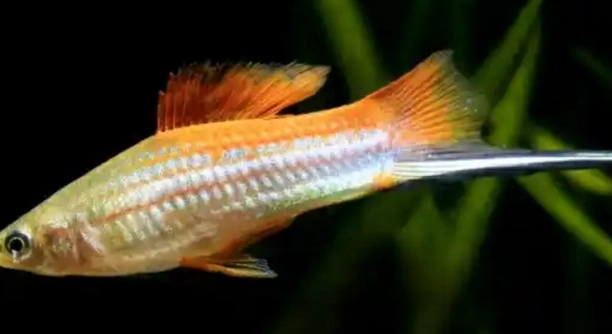
Swordtails are popular fish that many people keep in their aquariums. Their behavior is interesting, especially when it comes to changes in their environment. One such change is sudden darkness, and it’s something worth exploring in more detail.
Swordtails can react to sudden darkness, though their responses vary. While they do not possess complex vision like humans, they rely on environmental cues like light to navigate. In the absence of light, swordtails may become disoriented or temporarily inactive.
Understanding how swordtails react to darkness can help aquarium owners maintain a healthy environment for their fish. We will take a closer look at what happens when their world is suddenly plunged into darkness.
How Swordtails Navigate Their Environment
Swordtails rely heavily on their sense of sight to move around and find food. They are active swimmers and typically prefer environments where light is abundant, as it helps them detect predators, mates, and obstacles. In bright conditions, they exhibit more normal behaviors, such as foraging and interacting with each other. When the lights go out suddenly, however, swordtails may struggle to find their bearings. Their reaction is often confusion or stillness, since they are not equipped to handle complete darkness like nocturnal species.
Sudden darkness is unnatural for swordtails. They are used to light for movement and orientation. Without it, their behavior can be significantly affected.
Swordtails do not rely on smell or sound as much as sight to navigate. In an aquarium, this could mean they will swim in circles, freeze in place, or huddle together in a corner for safety. While they can adjust to low-light conditions over time, abrupt darkness can cause stress. This is why aquarium owners should aim to maintain a consistent light schedule for their fish. A sudden shift can disrupt their daily routine, affecting their well-being and feeding patterns.
Why Light is Essential for Swordtails
Light plays a critical role in a swordtail’s behavior. Swordtails are not nocturnal and do not thrive in total darkness.
A proper lighting schedule ensures they remain active and healthy. In addition to guiding their daily routines, light regulates their internal clocks, helping them stay in sync with their environment. Sudden shifts in light may trigger stress responses in swordtails, causing them to hide or become lethargic. Over time, irregular light exposure could weaken their immune systems and negatively impact their overall health. To keep swordtails happy, providing a regular day-night cycle is key.
How Sudden Darkness Affects Swordtails
When swordtails experience sudden darkness, their natural behavior changes quickly. They may stop swimming and remain still in the tank. This is because they rely on visual cues to feel safe and move around.
Swordtails are not adapted to handle darkness well. They are diurnal creatures, meaning they are active during the day. A sudden drop in light can confuse them, as their environment becomes unrecognizable. In some cases, they might even become stressed or anxious. It’s common to see them huddled together or hiding in a corner when this happens.
This response can be unsettling for the fish, especially if the darkness persists for long periods. Swordtails rely on stable lighting to maintain their regular feeding and swimming habits. Without it, their behavior may become erratic, affecting their overall well-being.
How Long Can Swordtails Handle Darkness?
Swordtails can tolerate darkness for short periods, but extended darkness can cause issues.
If they are suddenly plunged into complete darkness for a short time, they may become disoriented or inactive. However, after some time, they might adapt to the dimmer conditions. If the darkness continues for too long, swordtails might experience increased stress, reducing their quality of life. Providing a consistent light cycle helps avoid this problem. Regular light exposure keeps them calm and healthy.
Swordtails do not have the ability to adjust quickly to long-term darkness. This is why it’s important to avoid prolonged periods of complete darkness. Maintaining a light cycle will help them stay active and reduce stress, contributing to better health overall.
Swordtails and Their Light Sensitivity
Swordtails are sensitive to light changes, and sudden shifts can impact their behavior. They prefer a steady cycle of light and dark.
A sudden darkness can cause confusion in swordtails, making them feel unsafe. They rely on consistent lighting to help regulate their daily activities, from eating to interacting with other fish.
How to Prevent Stress in Swordtails
To avoid stressing swordtails, try to keep their environment stable. Regular lighting patterns help them feel secure.
Using a timer for your aquarium lights ensures a consistent day-night cycle. This simple step reduces sudden changes and allows swordtails to thrive in a controlled, predictable environment. A stable tank reduces their stress and improves their overall health.
FAQ
Can swordtails survive in complete darkness?
Swordtails can survive in darkness for short periods, but they are not well-equipped to handle it long-term. They are diurnal creatures, meaning they are active during the day. If kept in complete darkness for extended periods, they may become stressed, lethargic, and disoriented. Long-term exposure to darkness can lead to a decline in their overall health. It’s best to provide them with a regular light cycle to mimic natural day and night patterns.
Do swordtails need light to sleep?
Swordtails do not need light to sleep, but they do require a light/dark cycle to regulate their internal clock. They sleep during the darker periods of the day. Without proper lighting, swordtails may not be able to rest properly, affecting their health. A consistent light schedule helps maintain their natural rhythm and reduces stress.
How much light do swordtails need?
Swordtails need about 10-12 hours of light each day. It’s essential to provide them with a proper day and night cycle to support their activity and rest periods. Too much light can lead to stress, while too little can disrupt their natural behavior. A balance of light and dark is key to their well-being.
What happens if swordtails are exposed to sudden darkness?
When swordtails are exposed to sudden darkness, they may become disoriented or stop moving altogether. Since they rely on their vision to navigate, a sudden change in light can lead to confusion or fear. Over time, this can cause stress and affect their health. Gradually adjusting lighting levels is the best way to avoid this reaction.
Can swordtails adapt to low light conditions?
Swordtails can adapt to low light conditions, but they are not nocturnal creatures. They may become less active and more cautious in dim environments. While they can adjust, it is not ideal for their overall well-being. Consistent, moderate lighting allows them to be more active and healthier, promoting better behavior and feeding.
How can I reduce stress in my swordtails when the lights go out?
To reduce stress when the lights go out, ensure that your swordtails are exposed to a gradual transition from light to dark. This can be achieved by dimming the lights instead of turning them off abruptly. Additionally, providing hiding places in the tank can make them feel more secure during the dark periods, as they can retreat to a safe space if they feel uncomfortable.
Do swordtails need a nightlight?
Swordtails do not need a nightlight, but some aquarium owners use dim lighting to maintain a natural cycle. A nightlight might help some fish feel more secure, but it’s important to avoid over-lighting the tank. Swordtails thrive on a regular light cycle, so a nightlight isn’t necessary as long as you ensure the lights go out for several hours each day.
How can I tell if my swordtail is stressed?
Stress in swordtails can manifest in several ways. Common signs include erratic swimming, hiding more than usual, a lack of appetite, or even aggression toward tank mates. If you notice these behaviors, it could indicate that the swordtail is stressed, possibly due to changes in lighting, water conditions, or tank mates. Monitoring their behavior can help you determine if they need a change in their environment.
What is the best lighting for swordtails?
The best lighting for swordtails is natural white light that mimics the conditions they would experience in the wild. A full-spectrum aquarium light works well, providing the right balance of light for their activity levels. The light should be on for about 10-12 hours a day, followed by a period of darkness to simulate night. Avoid bright, harsh lights, as they can stress the fish.
Can sudden darkness affect swordtails’ feeding habits?
Yes, sudden darkness can disrupt swordtails’ feeding habits. These fish rely on sight to find food, and in the absence of light, they may have difficulty locating their food. If they are used to a consistent lighting schedule, any sudden darkness can throw them off and cause them to miss feeding times, leading to a lack of nutrition.
How can I create a consistent light cycle for my swordtails?
To create a consistent light cycle, consider using an aquarium timer. This device will automatically turn the lights on and off at the same time each day, ensuring your swordtails have a regular day and night cycle. It’s important to set the timer to provide 10-12 hours of light and 12-14 hours of darkness, depending on the needs of your specific tank.
What should I do if my swordtails are showing signs of stress after sudden darkness?
If your swordtails are showing signs of stress after experiencing sudden darkness, start by gradually adjusting the lighting in the tank. Avoid sharp transitions between light and dark, and give your fish time to acclimate. Ensure that they have places to hide and feel secure. If stress continues, check other environmental factors like water quality, temperature, and tank mates, as these could also contribute to their stress.
Is it harmful to keep swordtails in total darkness for short periods?
Keeping swordtails in total darkness for short periods is generally not harmful, as long as it’s not a frequent occurrence. Swordtails are capable of handling brief periods of darkness, but it should not become a regular practice. Long-term or sudden darkness can cause stress, so it’s important to keep their environment stable and predictable.
What should I do if I need to turn the lights off for an extended period?
If you need to turn the lights off for an extended period, try to gradually dim the lights instead of turning them off abruptly. This allows your swordtails to adjust and avoid sudden disorientation. Also, ensure that the tank has sufficient hiding spots for the fish to retreat to if they feel insecure.
Final Thoughts
Swordtails are vibrant and active fish that thrive in environments with stable lighting. Their behavior is influenced by light, and sudden darkness can cause them stress or disorientation. While they can adapt to some changes in lighting, it’s important to maintain a consistent day-night cycle to ensure they stay healthy and active. The key to a happy and thriving swordtail is providing them with enough light during the day and allowing them to rest in the dark during the night. By doing this, swordtails will be able to follow their natural routines and feel secure in their environment.
Providing a proper lighting cycle isn’t just about brightness but also consistency. Swordtails, like many other fish, rely on predictable patterns of light and darkness. If the lights in their tank are constantly changing, it can disrupt their feeding habits, make them feel unsafe, and potentially harm their health. This is why it’s crucial to use a timer for the aquarium lights, ensuring that they turn on and off at the same time every day. A regular schedule also helps swordtails know when to expect activity and when to rest, reducing their stress.
In conclusion, swordtails are beautiful and resilient fish, but they need stable conditions to thrive. Darkness and light are important factors in their daily routines, and sudden changes can lead to confusion or stress. By keeping their environment predictable and steady, you can help swordtails live a longer, healthier life. A consistent light cycle and ensuring they have space to hide when needed are simple ways to keep them comfortable. A little attention to their lighting needs goes a long way in maintaining the well-being of these charming fish.

Hello,
If you enjoy the content that we create, please consider saying a "Thank You!" by leaving a tip.
Every little bit helps us continue crafting quality advice that supports the health, happiness, and well-being of pets around the world, for pets of all shapes, sizes, and species.
We really appreciate the kindness and support that you show us!