
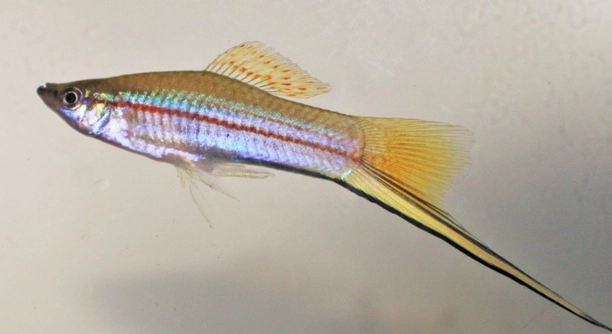
Swordtails are popular aquarium fish, known for their colorful fins and lively behavior. They are often seen navigating through plants and decorations in a tank. But how well do they handle more complex environments filled with obstacles?
Swordtails are quite adept at maneuvering in a tank filled with obstacles. Their strong swimming abilities and natural curiosity allow them to explore different areas, adjusting to the obstacles they encounter. However, their success depends on the tank’s layout and fish size.
Learning more about how swordtails interact with obstacles can help improve their environment. Keep reading to explore tips on making your tank suitable for their needs.
How Swordtails Navigate Their Environment
Swordtails are naturally active fish that enjoy exploring their surroundings. In a well-designed tank, they can easily swim around plants, rocks, and decorations. However, a tank filled with obstacles requires careful consideration. Swordtails have strong instincts to navigate around objects, but how they do so can be influenced by the tank’s layout and water conditions. A tank with excessive clutter may create a more challenging environment, while a well-structured tank with open spaces gives them room to move freely.
When setting up a tank for swordtails, it’s important to consider the type and placement of obstacles. Tall plants, rocks, and driftwood can create hiding spots and swimming areas, but they should be arranged to leave clear pathways. Overcrowding the tank with too many obstacles can hinder the fish’s ability to swim efficiently. Keeping the tank well-maintained and providing varied structures for your swordtails will allow them to explore without feeling restricted.
The layout should also mimic their natural environment. Swordtails are accustomed to swimming in open waters, and they tend to prefer spaces where they can swim freely. This gives them a sense of security and encourages healthy behavior.
What Makes a Swordtail Tank Obstacle-Friendly
A balance between open space and obstacles is key to a successful tank setup for swordtails. When obstacles are thoughtfully placed, they enhance the natural behavior of the fish.
Ensuring that your tank has both ample space to swim and places to hide creates a better environment for swordtails. Avoid overcrowding and maintain a balance to support their natural instincts.
Factors That Affect Swordtail Navigation
The tank size and water quality play crucial roles in how well swordtails navigate their environment. Fish in smaller, more cramped tanks will have limited movement, leading to stress. Water quality must also be maintained, as poor conditions can weaken the fish’s ability to swim and explore.
Swordtails require a minimum tank size of 20 gallons to swim freely. A tank that’s too small can cause them to feel trapped, limiting their movement. With a proper size tank, swordtails can engage in their natural swimming behaviors, which is vital for their health and well-being. Regular water changes and maintaining ideal water parameters, such as temperature and pH, further support their ability to move and explore without issues.
Stress from poor water conditions can lead to illness, affecting their agility and stamina. Keeping the water clean ensures swordtails remain active and healthy, allowing them to navigate obstacles with ease.
How Obstacles Impact Swordtail Behavior
Swordtails thrive in tanks that offer both obstacles and open swimming areas. Without obstacles, they may become bored and lack stimulation. However, too many obstacles can hinder their movement, creating stress and aggression among tankmates. The key is balance.
Incorporating a variety of obstacles like plants, rocks, and driftwood enhances the tank’s natural feel while offering swordtails areas to explore. The tank should still have enough open space for free swimming. Swordtails are social and active, so a setup that encourages movement and interaction improves their overall behavior. Properly arranged obstacles help swordtails feel secure, preventing stress while promoting natural activity.
Best Tank Decorations for Swordtails
Plants, rocks, and driftwood are ideal tank decorations for swordtails. These provide natural hiding spots and areas for exploration while leaving enough open space for swimming. Plastic decorations should be avoided as they can harm the fish’s fins.
Live plants, like Java fern and Anubias, are a great choice. They offer natural cover and help maintain water quality. Smooth rocks and driftwood can serve as obstacles without obstructing the swimming area. It’s important to place decorations in a way that allows swordtails to move freely, avoiding tight spaces that limit their movement.
A well-thought-out setup with both open areas and hiding spots encourages swordtails to engage with their environment. Properly arranged plants and decorations also mimic their natural habitat, creating a stress-free environment.
Importance of Tank Lighting
Proper lighting is essential for swordtails. Too much light can stress them out, while insufficient lighting can make the tank feel dim and unwelcoming. Finding a balance is key.
Soft, natural lighting mimics their environment and encourages healthy behavior. Swordtails appreciate a day and night cycle, which can be maintained with a timer for consistency. The right lighting improves the visual appeal of the tank and allows fish to navigate their environment with ease. It also enhances plant growth, which benefits swordtails.
Keeping the Tank Clean for Easy Navigation
Maintaining a clean tank is crucial for ensuring swordtails can navigate easily. Debris and algae buildup can obstruct their path, making it harder for them to explore freely.
Regular cleaning, including removing waste and vacuuming the substrate, keeps the tank’s environment healthy. This encourages swordtails to swim and explore without encountering obstacles that may hinder their movement.
FAQ
Can swordtails get stressed from too many obstacles in their tank?
Yes, swordtails can experience stress if there are too many obstacles. While they enjoy having places to hide and explore, overcrowding the tank with decorations can limit their movement and make them feel trapped. It’s essential to strike a balance between open spaces and obstacles to keep them comfortable. Too much clutter can lead to aggression and territorial behavior, particularly if other fish are present. To prevent this, ensure that the tank has enough space for free swimming and that obstacles are spread out.
How can I tell if my swordtail is stressed?
Stressed swordtails may exhibit several signs. Common indicators include erratic swimming, staying in one spot for extended periods, or hiding more than usual. They might also display clamped fins or have trouble swimming around the tank. Stress can be caused by poor water conditions, overcrowding, or unsuitable tank decorations. If you notice these behaviors, consider checking the tank’s environment and water quality. A well-maintained tank with adequate space and hiding spots will help keep your swordtails happy and active.
What’s the best water temperature for swordtails?
Swordtails prefer a water temperature between 72°F and 82°F (22°C – 28°C). Keeping the water within this range promotes healthy behavior and navigation. Water that’s too cold can slow them down and cause stress, while excessively hot water can lead to health issues and a decrease in activity. It’s important to use a reliable aquarium heater and thermometer to maintain a stable environment. Regularly check the water temperature to ensure it’s in the ideal range for your swordtails to thrive.
Do swordtails need a filter in their tank?
Yes, swordtails require a filter to maintain clean and healthy water. A good filtration system helps remove waste, uneaten food, and toxins, ensuring that the water stays clear and oxygenated. Swordtails are sensitive to poor water conditions, so a filter is essential for their well-being. When choosing a filter, make sure it’s suitable for the size of your tank. The flow rate should be strong enough to keep the water clean but not so powerful that it creates strong currents that make navigation difficult for your swordtails.
How often should I change the water in a swordtail tank?
It’s recommended to change 20-30% of the water every week to maintain optimal water quality for your swordtails. Regular water changes prevent the buildup of toxins like ammonia and nitrites, which can be harmful to your fish. When performing water changes, make sure to use a water conditioner to neutralize chlorine or chloramine in tap water. Also, clean the substrate and remove any debris that could affect water quality. Consistent water changes keep your swordtails healthy and improve their ability to move freely through the tank.
Can swordtails live with other fish?
Yes, swordtails can live with other peaceful fish species. They are generally social and get along well with tankmates like other livebearers, tetras, or Corydoras catfish. However, avoid housing them with overly aggressive or territorial species. Swordtails can become stressed in the presence of aggressive fish, affecting their ability to navigate the tank. Ensure that the tank has enough space and hiding spots to allow all fish to coexist peacefully. When selecting tankmates, consider the size, temperament, and swimming habits of potential species.
What should I feed my swordtails to keep them healthy?
Swordtails are omnivores and thrive on a varied diet that includes high-quality flake food, live or frozen food like brine shrimp, and plant-based options. A balanced diet is essential for their health and well-being, supporting their ability to swim and navigate obstacles with ease. Offer a mix of protein and plant matter, including algae wafers or blanched vegetables like spinach. Be sure not to overfeed, as excess food can pollute the water. Feeding them 2-3 times a day in small portions ensures they get the nutrients they need while keeping the tank clean.
Are swordtails sensitive to water changes?
Swordtails can be sensitive to sudden changes in water conditions, particularly temperature and pH. Rapid fluctuations can cause stress, leading to health problems and even death. When performing water changes, it’s essential to ensure the new water is at the same temperature as the tank water. Gradually adjust the pH if needed, and avoid introducing untreated water into the tank. Consistent water quality is key to keeping your swordtails healthy and active. Use a water testing kit regularly to monitor parameters like pH, hardness, and ammonia levels.
Can swordtails swim upside down or in circles?
Swordtails, like many other fish, may occasionally swim upside down or in circles due to stress, illness, or injury. If this behavior is frequent, it could indicate a problem with the water quality, tank setup, or a health issue. A sudden shift in behavior warrants an investigation into the tank conditions. Ensure the water is clean and that there are no harmful toxins present. If the behavior persists, it may be necessary to isolate the affected fish for observation and treatment.
How do I prevent my swordtails from jumping out of the tank?
Swordtails can sometimes jump out of the tank if they feel stressed or if the tank has no cover. To prevent this, ensure your tank has a secure lid or cover to keep them inside. Even though swordtails typically prefer swimming near the middle or bottom of the tank, they may jump if startled or threatened. Additionally, make sure the water conditions are optimal to reduce stress and avoid aggressive tankmates. A well-maintained tank with proper filtration and hiding spots will help minimize the chance of jumping.
Do swordtails need a lot of space to swim?
Yes, swordtails need adequate space to swim and explore. A crowded tank can cause stress and limit their movement, leading to health issues. As a general rule, provide at least 20 gallons of water for a small group of swordtails. More space allows them to engage in natural behaviors like swimming, exploring, and interacting with tankmates. In larger tanks, swordtails will feel less confined, which promotes a more active and healthy lifestyle.
Final Thoughts
Swordtails are fascinating, active fish that thrive in a well-maintained tank with plenty of room to swim and explore. Providing them with the right environment, including clean water, suitable decorations, and a balanced diet, is essential for their well-being. While they can navigate obstacles, their tank should be thoughtfully arranged to allow for free movement. Overcrowding the tank with decorations can limit their ability to move and lead to stress, so it’s important to keep the space open and uncluttered. With the proper setup, swordtails can easily navigate around plants, rocks, and driftwood, mimicking their natural habitat.
Maintaining a stable environment is crucial for keeping swordtails healthy. Regular water changes, proper filtration, and a suitable temperature are necessary to prevent stress and promote natural behaviors. Stress can impact their ability to move around freely, making it harder for them to thrive. Additionally, swordtails should not be kept with overly aggressive tankmates, as they need a peaceful environment to feel secure. By creating a balanced, harmonious tank setup, swordtails can live a healthy, active life.
Ultimately, swordtails are resilient fish, but they do best when their needs are met. A little care and attention to detail can go a long way in ensuring that they stay happy and healthy. With the right water conditions, tank decorations, and feeding habits, swordtails can make a lively addition to your aquarium. Just remember that they need space to swim, hiding spots to feel secure, and clean water to thrive. If you focus on these basics, your swordtails will navigate their tank with ease, bringing beauty and energy to your aquarium.

Hello,
If you enjoy the content that we create, please consider saying a "Thank You!" by leaving a tip.
Every little bit helps us continue crafting quality advice that supports the health, happiness, and well-being of pets around the world, for pets of all shapes, sizes, and species.
We really appreciate the kindness and support that you show us!