
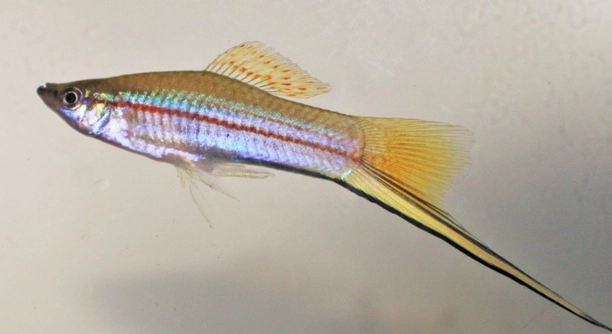
Have you ever set up a tank for swordtails and wondered if skipping the filter might make things easier or simpler? Choosing how to care for your fish can be a bit overwhelming at first.
Swordtails can survive without a filter for short periods, but it is not ideal for their long-term health. Filters help maintain water quality, remove toxins, and provide essential oxygenation, which are necessary for a stable and healthy environment.
Learning more about the role of filtration can help you make better decisions for your fish and support a thriving tank.
Why Filters Matter for Swordtails
Filters are important for keeping swordtails healthy in a tank. These fish produce waste, and without a filter, ammonia and other harmful substances can quickly build up. Filters help remove waste, keep the water clear, and provide oxygen by moving the water. Without this support, the environment becomes stressful for the fish. Swordtails are hardy, but they are not immune to poor water quality. Over time, toxic buildup can cause illness or even death. A filter also helps keep the tank cleaner, which means less work for you and better conditions for your fish.
Some hobbyists try to go without a filter, thinking frequent water changes are enough. While this can work for a while, it’s risky and can lead to sudden water problems.
Swordtails do best in tanks with steady water conditions. A good filter creates a stable environment, reducing the chances of temperature shifts or sudden ammonia spikes. Filters come in different types, like sponge, hang-on-back, or internal ones. Each type provides mechanical, biological, or chemical filtration, helping maintain water balance. If you’re keeping swordtails without a filter, you’ll need to monitor the tank daily. This includes checking water parameters, cleaning more often, and doing more water changes. While possible, it’s not recommended unless you have experience managing unfiltered tanks.
How to Keep Them Without a Filter
Swordtails can live without a filter, but it requires extra work to keep the water safe and clean.
To maintain an unfiltered tank, you’ll need a strong routine. Daily monitoring of ammonia, nitrite, and nitrate levels is essential. Water changes should happen every one to two days to keep toxins low. Live plants can help by absorbing waste and offering some oxygen. Still, they cannot fully replace a filter. A larger tank is also helpful, as it dilutes waste more effectively. Avoid overfeeding, as leftover food breaks down and pollutes the water. Choose tank mates wisely, since some fish create more waste than others. Keep the tank lightly stocked to reduce strain on the system. Watch your fish closely for signs of stress, such as rapid gill movement or lack of appetite. If these signs appear, act quickly to improve water quality. While it’s not ideal, with careful management, a filter-free setup can work for short periods or small-scale setups.
Signs Your Swordtails Are Struggling Without a Filter
Swordtails may start showing stress if the water isn’t clean enough. You might see them gasping near the surface, swimming less, losing color, or eating less. These signs often mean the tank environment needs attention.
Gasping at the surface usually means there isn’t enough oxygen in the water. Without a filter to circulate water, oxygen levels can drop quickly. Lethargy or lack of movement can also mean water quality is poor. You might notice more waste buildup on the bottom, cloudy water, or foul odors. These are signs that harmful substances are accumulating. Keep an eye out for frayed fins or white spots, which could be signs of disease from stress. Swordtails are usually active and alert, so changes in behavior should be taken seriously. Acting early can prevent long-term damage to their health.
If your swordtails are showing these signs, increase water changes and test water parameters right away. Add live plants if possible, and consider using an air stone to help with oxygen levels. Avoid feeding too much during this time, as uneaten food can make things worse. Sometimes, a quick fix isn’t enough, and adding a filter becomes the best option. Their health often improves fast once the water quality gets better. Regular care and stable conditions make a big difference.
How Long Can Swordtails Survive Without a Filter
Swordtails can manage without a filter for a few days if the tank is clean, lightly stocked, and carefully maintained. But this is only a short-term solution and not suitable for long-term care.
In a small, well-monitored tank with live plants and daily water changes, swordtails might stay healthy for up to a week without a filter. After that, the water can become too unstable. Waste will build up, oxygen will drop, and the risk of illness increases. Juveniles or stressed fish may become sick even faster. If the tank has more than a few fish, the timeline is even shorter. Temperature changes and food waste also affect survival. Most issues come from toxins in the water, not the lack of a filter itself. Still, filters reduce that risk by keeping conditions steady. If you’re planning to skip a filter long-term, it’s not recommended unless you have an advanced setup.
Extra Tools That Can Help Without a Filter
An air stone can help increase oxygen in the tank by creating surface movement. It won’t clean the water, but it improves breathing conditions for swordtails, especially in smaller tanks or warmer temperatures.
Live plants also help by absorbing some waste and producing oxygen. While they can’t replace a filter, they support better water balance and reduce harmful buildup when used correctly in low-stock tanks.
Choosing the Right Setup for Low-Maintenance Tanks
If you’re aiming for a setup without a filter, use a larger tank with fewer fish and lots of live plants. More water volume means more stability, which makes things easier to manage. Pick hardy plants like java fern or anubias. Stick to a simple feeding schedule and avoid overfeeding. Choose tank mates that are small and peaceful. Add an air stone for better oxygen flow. Use a gravel vacuum during water changes to remove waste. Keep a water test kit handy and use it often. These steps don’t fully replace a filter, but they can make things safer for your swordtails.
Final Thoughts on Filter-Free Tanks
Filter-free tanks require more attention and care. They can work for short periods, but they are not the best choice long-term for swordtails.
FAQ
Can swordtails live without a filter for long periods?
Swordtails can survive without a filter for a short time, but they are not meant to live without one long-term. Without a filter, water quality can quickly degrade. The lack of filtration leads to a buildup of waste, ammonia, and other harmful substances. As a result, swordtails may become stressed or ill. Ideally, a filter should be used to keep the water clean and ensure proper oxygenation. If you must go without one, monitor water quality closely, perform frequent water changes, and keep the tank lightly stocked.
How often should I change the water in a tank without a filter?
In a tank without a filter, water changes are crucial. They should be done more often than in a filtered tank. Aim for at least 25-30% water changes every other day to maintain water quality. In smaller tanks or heavily stocked setups, more frequent changes may be needed. If your tank is lightly stocked and you have live plants, you may be able to stretch the interval between changes. Always test the water for ammonia, nitrite, and nitrate levels to know when to change the water.
Can swordtails survive in a small tank without a filter?
A small tank can work for swordtails without a filter, but it requires extra care. Small tanks are more prone to rapid changes in water quality, which can stress the fish. If you are using a small tank, you’ll need to perform frequent water changes, add plants to help absorb waste, and avoid overfeeding. It’s better to keep the fish population low in a smaller tank to reduce the buildup of waste. Swordtails are active swimmers, so providing enough space is important to reduce stress.
What are the best tankmates for swordtails without a filter?
When setting up a tank without a filter, it’s essential to choose tankmates that won’t produce excessive waste. Small, peaceful fish like guppies, tetras, or small rasboras can make good companions. Avoid adding large or messy eaters, as they can create more waste and make maintaining water quality even harder. Also, consider the fish’s temperament and make sure they can coexist with swordtails. Peaceful species are less likely to stress out swordtails, which is important when water quality is harder to manage.
Do swordtails need a filter to breed?
Swordtails can breed without a filter, but it’s not ideal. Without proper filtration, waste can accumulate, leading to poor water quality, which can affect the health of the adults and fry. For successful breeding, stable water conditions are key. If you choose to breed swordtails in a tank without a filter, make sure you perform frequent water changes and monitor water parameters closely. A filter will help maintain a healthy environment for both the adults and the baby fish.
How do I keep the water oxygenated without a filter?
Without a filter, maintaining oxygen levels can be challenging. One simple solution is to add an air stone, which will create bubbles and improve oxygen exchange at the surface. Another option is to add live plants, which release oxygen during the day, helping maintain levels. However, keep in mind that plants alone won’t provide enough oxygen to keep the water healthy. Regular surface agitation is important to help oxygenate the water and keep it circulating.
Is it better to use a sponge filter instead of no filter at all?
Yes, using a sponge filter can be a good alternative if you don’t want to go completely without filtration. Sponge filters provide both mechanical and biological filtration, which helps maintain water quality by removing debris and providing a space for beneficial bacteria to break down waste. Sponge filters are gentle on swordtails and other small fish, which is important when keeping delicate species in a low-flow environment. They are also easy to maintain and don’t take up much space, making them ideal for smaller tanks or tanks with live plants.
How can I tell if the water quality is bad for my swordtails?
Poor water quality can be identified by observing changes in your swordtails’ behavior. If they are gasping at the surface, swimming erratically, or losing color, it’s a sign that the water conditions are deteriorating. Additionally, look for signs of stress like frayed fins or lesions on the body, which can indicate a water quality issue. Foul smells or cloudy water are also common signs of poor water conditions. Testing the water regularly is the best way to catch these issues early. Keep an eye on ammonia, nitrite, and nitrate levels.
How do I clean a tank without a filter?
Cleaning a tank without a filter requires more effort than a filtered one. Perform frequent water changes to keep the water clean. Use a gravel vacuum to remove waste and debris from the substrate during each water change. Clean any decorations and remove any uneaten food. Be cautious not to disturb beneficial bacteria in the tank, especially if you have live plants. You should also clean the glass to prevent algae buildup. It’s important to be consistent with cleaning to maintain a healthy environment for your swordtails.
Can I use chemical filtration in a tank without a filter?
While chemical filtration can be helpful in certain situations, it cannot replace the role of a filter. Activated carbon or other chemical media can help remove impurities and toxins from the water, but they don’t provide the biological filtration needed to break down waste over time. Chemical filtration can be used in conjunction with a filter-free tank setup, but it should not be relied on as the sole method of water management. Regular water changes and the addition of live plants are still necessary to maintain healthy water conditions.
Final Thoughts
Living without a filter can be challenging for swordtails, but it’s not impossible if proper care is taken. The key to keeping swordtails healthy in a tank without a filter is maintaining water quality. Without filtration, waste builds up quickly, so frequent water changes are essential. You will need to test the water regularly for ammonia, nitrites, and nitrates to ensure that the tank stays balanced. Swordtails are resilient, but they need a clean, stable environment to thrive, so providing one without a filter means being extra diligent in maintaining their habitat.
While it’s possible to create a filter-free tank, it’s not recommended for long-term care. A filter plays a vital role in keeping water oxygenated and free from harmful toxins. Without it, you will be doing more work with water changes, monitoring fish health, and keeping track of water parameters. If you choose to keep swordtails in a tank without a filter, it’s crucial to have a well-planned setup. This includes using live plants, controlling fish stocking levels, and avoiding overfeeding. These steps can help reduce the buildup of waste and improve water quality in the absence of a filter.
If you’re committed to caring for swordtails in a filter-free tank, make sure you understand the extra effort it requires. Swordtails are hardy fish, but their long-term well-being depends on keeping their environment clean. Consider using a sponge filter or air stone if you want to reduce the amount of work involved, while still achieving some level of filtration. A tank with proper care and regular maintenance can provide a suitable environment for swordtails without a filter, but it will require close attention to detail.

Hello,
If you enjoy the content that we create, please consider saying a "Thank You!" by leaving a tip.
Every little bit helps us continue crafting quality advice that supports the health, happiness, and well-being of pets around the world, for pets of all shapes, sizes, and species.
We really appreciate the kindness and support that you show us!