
Swordtails and Corydoras are two popular species in the aquarium hobby, both known for their friendly nature and vibrant colors. Understanding whether they can live together peacefully is important for ensuring a healthy, balanced tank environment.
Swordtails and Corydoras can typically coexist peacefully in a community tank as long as their environmental needs are met. Both species are peaceful, and swordtails tend to stay in the upper water levels, while Corydoras remain near the bottom.
Ensuring their tank is large enough and that water conditions are suitable for both species is key to a harmonious setup.
Swordtails: Active and Colorful Tank Mates
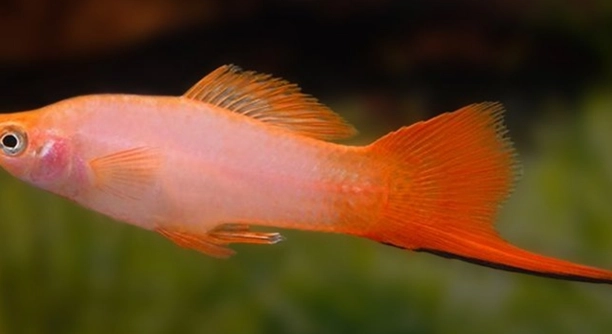
Swordtails are lively, colorful fish that are popular in many home aquariums. They are known for their long, sword-like tails and active swimming behavior. These fish are peaceful but can be territorial, especially males when competing for mates. Swordtails are also adaptable, making them relatively easy to care for. They are social creatures that do well in schools and thrive in groups of at least five. Swordtails generally prefer a well-planted tank with plenty of swimming space. They also prefer a slightly acidic to neutral pH range and enjoy warmer temperatures between 72°F and 79°F.
In terms of diet, swordtails are omnivores and will eat a variety of foods, including flake, pellet, and live foods. Their active nature means they will frequently be swimming around the tank, but they’re not aggressive. However, they do need enough space to prevent stress or squabbles with tank mates.
Though they are peaceful, male swordtails can sometimes exhibit territorial behavior. To avoid conflicts, a proper balance of males and females should be maintained in a tank.
Corydoras: Peaceful Bottom Dwellers
Corydoras catfish are small, peaceful bottom-dwelling fish known for their gentle nature. These fish are ideal for tanks with other peaceful species, as they avoid confrontation. They’re social creatures and prefer to be kept in groups of at least five to feel secure. Corydoras are also scavengers, feeding on uneaten food and debris from the substrate. Their peaceful behavior makes them an excellent choice for a community tank, as they are rarely aggressive.
When considering tank conditions, Corydoras prefer slightly acidic to neutral water, just like swordtails. They thrive in temperatures between 72°F and 78°F and require soft, well-filtered water for optimal health. Their diet mainly consists of sinking pellets, algae wafers, and occasional live or frozen foods. Due to their scavenging behavior, they help keep the tank clean by eating leftover food.
Both swordtails and Corydoras are hardy species that adapt to various conditions. As bottom-dwellers, Corydoras are less likely to interfere with the swordtails’ active swimming. This makes them a good match for each other in a peaceful tank environment.
Tank Setup for Both Species
For swordtails and Corydoras to coexist peacefully, the tank needs to provide an environment that suits both species. Ideally, the tank should be at least 30 gallons to ensure both species have enough space. A larger tank helps reduce territorial disputes and ensures that both species can thrive in their preferred areas. It’s essential to have areas for both the swordtails to swim freely and the Corydoras to scavenge the bottom.
Both species prefer well-planted tanks, so adding plants and decorations is important. Live plants provide hiding spots and a natural feel for both species. Swordtails will swim around the plants, while Corydoras may take shelter among them. It’s also important to provide soft substrate, such as sand, for Corydoras to avoid injury to their sensitive barbels.
Water conditions should be monitored carefully to ensure they fall within the appropriate range for both species. Regular water changes are essential to maintain a healthy environment, as both species are sensitive to poor water quality. Additionally, using a good filtration system will help keep the water clean and oxygenated, benefiting both the swordtails and Corydoras.
Lastly, adding a few hiding spots or caves for the Corydoras can help them feel more secure. Swordtails generally don’t mind the presence of hiding spots, as they prefer to swim in open water. With a well-balanced tank setup, these two species can coexist happily.
Potential Conflicts Between Swordtails and Corydoras
Though swordtails and Corydoras are generally peaceful, there’s still the potential for occasional conflict. Males, especially swordtails, can become territorial during breeding seasons. If not given enough space, swordtails might chase the Corydoras, causing stress. It’s crucial to maintain a proper balance in tank populations to reduce these chances.
Swordtails may also swim erratically and fast, which could inadvertently disturb the bottom-dwelling Corydoras. While these fish are not typically aggressive, the fast movement of the swordtails might cause stress or anxiety for Corydoras. However, since Corydoras prefer to stay low to the ground and avoid confrontation, direct conflict rarely occurs.
The best way to prevent this is to ensure there’s enough space and proper tank setup. With adequate hiding spots and a large enough environment, both species can coexist without significant issues. Careful monitoring of the tank dynamics can help identify any early signs of stress or territorial behavior.
Ideal Tankmates for Swordtails and Corydoras
When selecting tankmates, it’s important to choose species that complement both swordtails and Corydoras. Small, peaceful fish such as tetras, guppies, or peaceful barbs are good options. These species are not overly territorial and tend to live peacefully in community tanks. It’s also crucial to avoid more aggressive or larger species that could stress or harm either the swordtails or Corydoras.
Both species do well in community setups because they are generally non-aggressive. Adding fish that share similar water preferences and temperament is key. However, it’s important not to overcrowd the tank, as too many fish can cause stress and reduce oxygen levels. A balanced community with similar care requirements will help maintain harmony in the tank.
Adding a variety of species that occupy different water layers can also improve tank dynamics. Swordtails will mostly stay in the middle and top sections of the tank, while Corydoras remain at the bottom. This vertical separation further reduces the chance of conflict and ensures all fish have enough space.
Water Conditions for Swordtails and Corydoras
Both swordtails and Corydoras prefer similar water conditions. They thrive in slightly acidic to neutral water with a pH of 6.8 to 7.8. Maintaining stable water temperature between 72°F and 79°F will help both species stay healthy and active. Regular water changes are crucial to prevent toxins from building up.
For optimal health, water should be well-filtered and free of ammonia or nitrites. Keeping the water clean also reduces stress for both swordtails and Corydoras. If water conditions fluctuate too much, it could lead to illness or stress, affecting their ability to coexist peacefully in the tank.
Feeding Swordtails and Corydoras
Both swordtails and Corydoras are easy to feed but have different feeding habits. Swordtails are omnivores and will eat a variety of foods, including flake, pellet, and live foods. They tend to feed from the middle and top of the tank, swimming quickly to catch their meals.
Corydoras, on the other hand, are bottom feeders and prefer sinking pellets, algae wafers, or live foods that fall to the substrate. They may take their time feeding and often scavenge for leftover food. It’s important to ensure both species are receiving enough food and that no one is outcompeted for it.
Tank Maintenance for Swordtails and Corydoras
Maintaining a clean tank is essential for both swordtails and Corydoras. Regular water changes and proper filtration help prevent waste buildup. It’s also important to vacuum the substrate occasionally to remove uneaten food and debris that could harm the fish’s health. Keeping the tank tidy ensures both species thrive.
FAQ
Can swordtails and Corydoras live in the same tank?
Yes, swordtails and Corydoras can generally live together in the same tank. They are peaceful species that occupy different areas of the tank, reducing the chances of conflict. Swordtails prefer swimming in the upper water column, while Corydoras are bottom dwellers. As long as the tank is large enough and has enough hiding spots, these two species can coexist without issue.
How many swordtails and Corydoras should I keep together?
For a peaceful environment, it’s best to keep swordtails in groups of at least five. This helps reduce stress, especially among males during breeding periods. Corydoras should also be kept in groups of five or more for their social well-being. A tank of at least 30 gallons is recommended for both species to ensure they have ample space.
Do swordtails and Corydoras have similar water requirements?
Yes, swordtails and Corydoras have similar water requirements. Both species thrive in slightly acidic to neutral water with a pH range of 6.8 to 7.8. They prefer water temperatures between 72°F and 79°F and require well-filtered, oxygenated water to stay healthy. Regular water changes are crucial to maintain good water quality for both species.
Are swordtails or Corydoras more active?
Swordtails are more active than Corydoras. They are fast swimmers and spend most of their time in the middle or upper part of the tank. Corydoras, in contrast, are bottom dwellers and move more slowly, often scavenging for food or exploring the substrate. While swordtails are generally more energetic, they don’t typically bother Corydoras because of their different swimming areas.
Can swordtails and Corydoras eat the same food?
Swordtails and Corydoras have different feeding habits, but their diets can overlap. Swordtails are omnivores and will eat flakes, pellets, and live foods, including small invertebrates. Corydoras are bottom feeders and prefer sinking pellets, algae wafers, and occasional live or frozen foods. While they might not share meals at the same time, it’s possible for both species to coexist and get the right nutrition.
Do swordtails need specific tank mates?
Swordtails can live with most peaceful species, especially those that swim at different levels of the tank. Tetras, guppies, and peaceful barbs are good tank mates. However, it’s best to avoid keeping them with more aggressive or territorial fish, as swordtails can be territorial during breeding seasons.
Can Corydoras live with other bottom-dwelling fish?
Corydoras generally do well with other peaceful bottom dwellers. However, if the tank is too small or overcrowded, there could be competition for food or space. It’s best to pair Corydoras with species that occupy different areas of the tank. Avoid other bottom feeders that might become aggressive, like larger catfish.
What is the ideal tank size for swordtails and Corydoras?
A minimum tank size of 30 gallons is ideal for swordtails and Corydoras to coexist peacefully. This size ensures that both species have enough space to swim and explore. The tank should have plenty of hiding spots and plants, especially for Corydoras, who prefer to stay close to the substrate.
Are swordtails or Corydoras more likely to get sick?
Both swordtails and Corydoras are relatively hardy fish, but poor water quality and stress can make them susceptible to illnesses. Swordtails, being more active, can sometimes experience injuries during breeding periods or if the tank is overcrowded. Corydoras may be more prone to skin infections due to their bottom-dwelling nature, where they come into contact with the substrate. Regular water changes and maintaining good water quality help reduce the risk of sickness.
How do I know if my swordtails are stressed?
Swordtails show signs of stress through unusual swimming behavior, such as erratic swimming, hiding, or staying at the surface of the water. They may also lose their bright coloration or become aggressive, especially if there are too many males in the tank. Monitoring water quality, providing ample space, and ensuring the tank is well-maintained can help prevent stress in swordtails.
How do I know if my Corydoras are stressed?
Corydoras will show signs of stress through abnormal behavior, like staying hidden for long periods or failing to eat. They may also swim erratically or appear lethargic. Corydoras are sensitive to poor water conditions, so if they are stressed, it’s crucial to check the water parameters and make sure they are within the ideal range for the species.
What temperature should the tank be for swordtails and Corydoras?
Both swordtails and Corydoras thrive in warm water, with a temperature range of 72°F to 79°F. Keeping the water within this range will help maintain their overall health and activity levels. Regular monitoring of the water temperature using a reliable thermometer will help ensure it stays within the optimal range.
Can I keep male swordtails together without aggression?
Male swordtails can be territorial, especially during breeding seasons. If you want to keep multiple males, it’s important to have enough space in the tank, as well as a higher ratio of females to males to reduce competition. Keeping at least five swordtails and adding plenty of plants and hiding spots can help minimize aggression between males.
Do swordtails breed easily in community tanks?
Swordtails can breed easily in a community tank, especially if the water conditions and environment are ideal. However, if there are too many males or aggressive tank mates, breeding might be disrupted. To encourage breeding, maintain stable water conditions and provide plenty of hiding places for the female to give birth.
How do I care for baby swordtails and Corydoras?
Baby swordtails and Corydoras require extra care to ensure they thrive. Swordtail fry are relatively easy to care for and will eat fine food like baby brine shrimp or powdered flakes. Corydoras fry are more delicate and need very fine food, such as infusoria, until they grow large enough to eat regular fish food. Ensure the water quality is pristine to help them grow strong and healthy.
Final Thoughts
Swordtails and Corydoras can be great tank mates if their care needs are met. Both species are peaceful, adaptable, and generally easy to care for, making them popular choices for community tanks. Swordtails are more active and swim in the upper levels of the tank, while Corydoras prefer the bottom, which helps minimize conflicts. When provided with enough space, hiding spots, and the right water conditions, these two species can live together without issues.
The key to a successful setup lies in maintaining the right environment for both species. A tank of at least 30 gallons is recommended to ensure there’s enough room for everyone. Regular water changes and monitoring water parameters are essential for keeping both swordtails and Corydoras healthy. Their similar water requirements make it easier to care for them together, but it’s important to avoid overcrowding. A well-planted tank with a soft substrate is ideal, as it provides hiding spots for the Corydoras and space for the swordtails to swim.
In summary, swordtails and Corydoras can thrive in the same tank, provided their environmental and social needs are met. By keeping an eye on tank size, water quality, and the overall balance of fish, these species can peacefully coexist and create an interesting and lively aquarium. Both species bring unique qualities to a tank, from the swordtail’s colorful, active swimming to the Corydoras’ peaceful bottom-feeding behavior. When kept properly, these two species can enjoy a long, healthy life together in a well-maintained aquarium.

Hello,
If you enjoy the content that we create, please consider saying a "Thank You!" by leaving a tip.
Every little bit helps us continue crafting quality advice that supports the health, happiness, and well-being of pets around the world, for pets of all shapes, sizes, and species.
We really appreciate the kindness and support that you show us!