
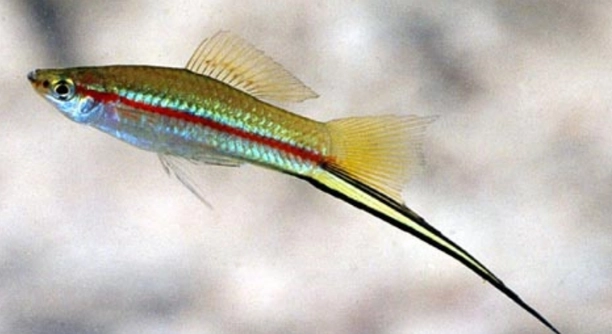
Swordtails are a popular freshwater fish among aquarium enthusiasts. Their lively nature and easy care make them a great choice for beginners. However, if you’re new to fishkeeping, you might wonder whether tap water is a safe environment for these fish.
Swordtails can live in tap water, provided it meets certain water quality standards. Tap water typically contains minerals and chlorine, which could be harmful to swordtails. However, with proper treatment or filtration, tap water can be made safe for them.
Knowing how to prepare tap water for your swordtails will ensure they thrive in their new home. The next steps will guide you through maintaining a suitable environment for your fish.
Can Swordtails Live in Tap Water?
Swordtails are hardy fish, but the water they live in plays a big role in their health. Tap water is a common option for many aquarists, but it’s not always ideal straight out of the faucet. The water from your tap may contain chlorine, chloramine, and high mineral levels that can stress or harm your swordtails. Before introducing them to tap water, it’s important to take a few steps to make sure it’s safe for your fish. Proper water treatment or filtration is essential for creating a healthy environment.
When tap water is untreated, the chemicals present can cause irritation to your swordtails, affecting their immune system and making them more vulnerable to disease. Additionally, if the water’s pH, hardness, or temperature levels are off, swordtails may become stressed, leading to poor health or even death.
To ensure that tap water is safe for your swordtails, you’ll need to neutralize harmful chemicals and adjust the water parameters. Using a water conditioner can remove chlorine and chloramine, while an aquarium filter can help balance mineral levels. Monitoring the water’s temperature and pH is also crucial to ensure the fish are in a comfortable environment.
What About Hardness and pH?
Swordtails prefer slightly alkaline water, usually with a pH between 7.0 and 8.0. Tap water’s pH can vary based on your local water supply. If the water is too acidic or too alkaline, it’s important to make adjustments.
Water hardness is another factor to consider. Swordtails thrive in moderately hard water, with a hardness range of 10–25 dGH. If your tap water is too soft or too hard, you can use water conditioners to adjust the levels. Regularly testing the water using test kits will help keep these factors in check, ensuring your swordtails remain healthy and active.
Treating Tap Water for Swordtails
Before adding swordtails to your aquarium, always treat tap water to remove harmful chemicals. One of the easiest and most effective ways to make tap water safe is by using a water conditioner that neutralizes chlorine, chloramine, and heavy metals. These chemicals, although safe for humans in small amounts, can irritate or poison your fish.
A good water conditioner will break down chlorine and chloramine, making the water safe for swordtails and other aquatic life. Be sure to follow the product’s instructions, as the amount needed will vary depending on the size of your tank and the water volume. Many conditioners also help detoxify heavy metals, which can accumulate in tap water, causing long-term harm to your fish.
After treating the water, always check the water parameters using a test kit. Keeping track of the pH, hardness, and temperature will give you a clear picture of the water quality. Regular maintenance, including water changes, will help keep the environment stable and healthy for your swordtails.
Maintaining a Healthy Environment
Once your tap water is treated and prepared, keeping it safe for your swordtails requires regular maintenance. Make sure to clean your aquarium filter regularly and replace any necessary components to keep it running efficiently. Proper filtration will help remove excess nutrients, debris, and waste that can cause spikes in harmful substances like ammonia.
Water changes are also important. At least 25% of the water should be replaced every 1–2 weeks to prevent harmful buildup. When doing a water change, treat the new water with conditioner before adding it to the tank. This ensures that any chlorine or chloramine present is neutralized.
By keeping your swordtails’ environment clean and balanced, you’ll help them thrive. Regular monitoring and adjustments will ensure they remain healthy and vibrant, making your aquarium a lively and enjoyable space.
Adjusting Water Temperature for Swordtails
Swordtails prefer warm water with a temperature range between 72°F and 79°F (22°C to 26°C). Keeping the water at the right temperature is important for their health and activity. Too cold or too hot water can cause stress or illness.
A good aquarium heater can help maintain the temperature in the desired range. Make sure to position the heater in an area with good water circulation to prevent hot spots. Always monitor the water temperature with a thermometer, especially when making changes or during seasonal shifts. Sudden temperature fluctuations can cause shock, so gradual adjustments are recommended.
Keep in mind that the heater should be appropriate for the size of your tank. Overheating can occur if the heater is too powerful, while an underpowered heater might struggle to reach the desired temperature. Maintaining a consistent temperature ensures that your swordtails will remain healthy and active. Regularly check both the water temperature and your heater to ensure everything is functioning properly.
Water Quality Testing for Swordtails
Testing your tap water’s quality before adding it to the tank is key to ensuring a safe environment for swordtails. You can use simple test kits to measure pH, ammonia, nitrites, and nitrates. These parameters need to be within the correct ranges for your fish to thrive.
Ammonia and nitrite levels should always be at zero, as even small amounts can harm your swordtails. Nitrates, however, should be kept under 40 ppm. High nitrate levels can lead to poor water quality and affect your fish’s health. Regular testing can also help you identify any imbalances early on, allowing you to address them before they become a problem.
If you find that your water quality is off, consider adding a filter or using chemical treatments to balance the levels. If your water is consistently out of the ideal range, you may need to consider a different water source or additional adjustments.
Dealing with Chlorine and Chloramine
Chlorine and chloramine are common in tap water and can be harmful to your swordtails. Chlorine is more volatile and will evaporate after a few hours, but chloramine stays in the water much longer. Both chemicals can irritate your swordtails’ gills and skin, leading to stress or illness.
The easiest way to deal with these chemicals is by using a water conditioner that neutralizes them. There are many products available that can remove chlorine and chloramine from your tap water, making it safer for your fish. Be sure to follow the instructions on the bottle for the right dosage. You should always treat new water before adding it to your tank to avoid introducing any harmful substances.
Some aquarists choose to let water sit in an open container for 24–48 hours to allow chlorine to dissipate naturally, but chloramine will not evaporate and still requires treatment. Always take the time to properly treat your water to keep your swordtails happy and healthy.
Using a Water Filter for Swordtails
A water filter helps maintain clean water for your swordtails by removing excess waste, debris, and harmful substances. It keeps the water oxygenated and reduces the need for frequent water changes. A good filter also prevents the buildup of ammonia and nitrites, which can harm your fish.
Choose a filter that suits the size of your tank and the needs of your swordtails. Make sure it has the right filtration capacity and is positioned to ensure proper water flow. Clean the filter regularly to avoid clogging, which can reduce its efficiency.
Dealing with Hard Water
Swordtails can tolerate moderately hard water, which is essential for their health. If your tap water is too soft or too hard, you can adjust it using water conditioners or additives. Maintaining the right level of hardness prevents stress and supports the fish’s overall well-being.
Test your water regularly to make sure the hardness is within the ideal range. If needed, use aquarium salts or other hardness-increasing products to stabilize the water. Remember, consistency is key to keeping swordtails in a comfortable environment.
Managing Water Changes
Water changes are crucial for maintaining good water quality in your swordtail aquarium. Replace 20-30% of the water every week to prevent the buildup of toxins like ammonia. Be sure to treat the new water before adding it to the tank to ensure it’s safe for your fish.
FAQ
Can swordtails survive in untreated tap water?
Swordtails can survive in untreated tap water, but it’s not recommended. Tap water often contains chemicals like chlorine and chloramine that can harm your fish. These substances can irritate their gills and skin, leading to stress and illness. It’s always best to treat tap water with a conditioner to neutralize these harmful chemicals before introducing it to your aquarium.
What water conditions do swordtails prefer?
Swordtails thrive in slightly alkaline water with a pH between 7.0 and 8.0. They also prefer moderately hard water, with a hardness level between 10 and 25 dGH. Keeping the water temperature between 72°F and 79°F (22°C to 26°C) is essential for their well-being. Regularly check these parameters to ensure the water is within the optimal range.
How can I make tap water safe for my swordtails?
To make tap water safe for swordtails, treat it with a water conditioner that removes chlorine and chloramine. Additionally, test the water’s pH and hardness, adjusting as needed. A water filter can help maintain water quality by removing waste and toxins. Always monitor water parameters before adding your swordtails to the tank.
What’s the best way to remove chlorine from tap water?
Chlorine can be removed from tap water by letting the water sit in an open container for 24–48 hours, allowing it to evaporate. However, chloramine doesn’t evaporate as easily and requires a water conditioner to neutralize it. Using a quality water conditioner is the most efficient way to remove both chlorine and chloramine from tap water.
Is tap water always safe for swordtails?
Tap water can be safe for swordtails if it is properly treated. The water quality can vary depending on your location, so it’s important to test it for harmful chemicals, pH, and hardness. If any parameters are off, use a water conditioner or additives to make it suitable for your fish.
How often should I change the water for my swordtails?
You should perform a water change of 20-30% every week. This helps maintain clean water and reduces the buildup of waste and toxins like ammonia. Always treat the new water with a conditioner before adding it to the tank to avoid introducing harmful chemicals.
Can swordtails live in soft water?
Swordtails can live in soft water, but they prefer moderately hard water. If your tap water is too soft, you can increase its hardness by using products specifically designed for aquariums. Maintaining proper hardness levels will help keep your swordtails healthy and stress-free.
What should I do if the pH of my tap water is too high or too low?
If your tap water’s pH is too high or too low, you can adjust it using aquarium pH adjusters. To lower the pH, use a product that adds acidity, and to raise it, use a pH buffer that increases alkalinity. Make sure to test the water regularly to maintain a stable pH level.
How do I keep my swordtails comfortable in tap water?
To keep your swordtails comfortable in tap water, focus on providing the right water parameters. Use a water conditioner to remove harmful chemicals, ensure the pH is between 7.0 and 8.0, and keep the water temperature between 72°F and 79°F. Regularly monitor water quality with test kits, and perform water changes to maintain a healthy environment.
Should I use a water filter for my swordtails?
Yes, using a water filter is essential for maintaining a healthy aquarium. It helps remove debris, waste, and harmful chemicals from the water, keeping it clean and safe for your swordtails. A filter also helps oxygenate the water and reduces the need for frequent water changes. Make sure the filter is appropriate for the size of your tank.
Can swordtails live in hard water?
Swordtails can live in hard water, and they actually prefer it. A water hardness level between 10 and 25 dGH is ideal for swordtails. If your tap water is too hard, you can dilute it with softened water or use products that reduce hardness. Regular water testing is necessary to keep it in the right range.
How can I prevent my swordtails from getting stressed due to water conditions?
To prevent stress in your swordtails, make sure the water conditions are stable and within the ideal range. Sudden changes in pH, temperature, or hardness can stress your fish. Perform regular water changes, treat tap water with a conditioner, and monitor the water quality with test kits. Stability is key to keeping your swordtails healthy and stress-free.
Do swordtails need any special care with tap water?
Swordtails don’t require special care beyond ensuring the water conditions are optimal. Treat tap water to remove chlorine and chloramine, test and adjust pH and hardness, and maintain a consistent temperature. By providing a clean and stable environment, your swordtails will thrive in tap water with minimal care.
Can I use tap water for my swordtails without a filter?
While swordtails can survive in tap water without a filter, it’s not recommended. A filter helps maintain water quality by removing excess waste, debris, and harmful substances. Without a filter, you’ll need to perform more frequent water changes to keep the tank clean and prevent harmful chemicals from building up.
Final Thoughts
Swordtails are hardy and adaptable fish, making them a great choice for both beginners and experienced aquarists. They can live in tap water, but it’s important to ensure that the water is properly treated before adding them to the tank. Tap water can contain harmful chemicals like chlorine and chloramine, which can harm your fish if left untreated. Using a water conditioner to remove these chemicals is an easy and effective way to keep your swordtails safe. Regular water testing will also help you monitor the pH, hardness, and temperature, ensuring your fish stay healthy and comfortable.
Maintaining a healthy environment for your swordtails is not just about treating the water but also about regular maintenance. This includes performing water changes, checking the water parameters, and ensuring the temperature stays within the ideal range. Swordtails thrive in slightly alkaline, moderately hard water, and consistent conditions help reduce stress and prevent health problems. Using a filter to remove waste and debris will make it easier to maintain water quality and reduce the need for frequent water changes. A little extra effort in creating and maintaining a suitable environment can go a long way in keeping your swordtails happy.
In summary, swordtails can live in tap water if the water is treated properly and the water parameters are maintained. By using a water conditioner to remove harmful chemicals, testing the water regularly, and ensuring a stable environment, you can provide a healthy home for your swordtails. Whether you are new to fishkeeping or have experience, following these simple steps will help your swordtails thrive in their new aquarium. Proper care and attention to water quality are key to ensuring a long, healthy life for your swordtails.

Hello,
If you enjoy the content that we create, please consider saying a "Thank You!" by leaving a tip.
Every little bit helps us continue crafting quality advice that supports the health, happiness, and well-being of pets around the world, for pets of all shapes, sizes, and species.
We really appreciate the kindness and support that you show us!