
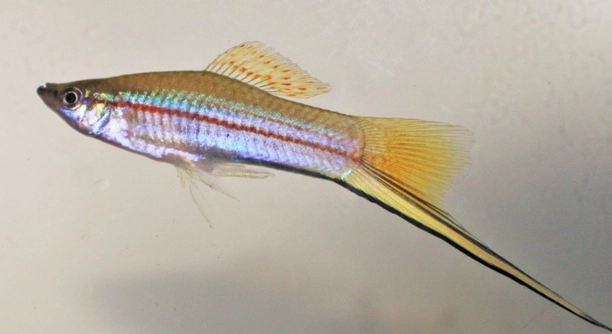
Swordtails are colorful, active fish that many aquarium enthusiasts love to keep. These fish are easy to care for, but it’s important to know what conditions they need to thrive in. One of the key considerations is the water they live in.
Swordtails can live in tap water, but it’s crucial to ensure that the tap water is treated to remove harmful chemicals like chlorine and chloramine. Water temperature, pH, and hardness also need to be suitable for these fish to thrive.
Properly setting up your tank with treated tap water can help create a healthy environment for your swordtails. Learn what adjustments are necessary to keep your fish happy and healthy in their new home.
What Makes Tap Water Safe for Swordtails?
Tap water can be a convenient option for your swordtails, but it’s not always perfect right out of the faucet. Many municipal water supplies contain chlorine, chloramine, and heavy metals, which can be harmful to fish. These chemicals are typically added to disinfect the water, making it safe for humans to drink but not ideal for aquarium use. Swordtails need clean, treated water to thrive and avoid health problems.
You can treat tap water with a water conditioner specifically designed to neutralize chlorine and chloramine. Additionally, if your water is hard or soft, you may need to adjust the mineral content to match the preferences of your swordtails. A simple test kit can help you measure the water’s hardness, pH, and overall quality.
Once you’ve treated and adjusted the water, your swordtails can live happily in your aquarium. Just remember to keep monitoring the water quality regularly to ensure the environment stays safe. Keeping an eye on water changes can help your fish thrive long term.
Preparing Tap Water for Your Swordtails
Even if your tap water seems good, it’s important to double-check its safety.
Before introducing your swordtails to the tank, make sure the temperature is stable and the pH is balanced. Ideally, you want the water to be within the range that swordtails prefer, which is between 7.0 and 8.0 for pH. It’s also crucial to check the hardness levels. Swordtails do well in moderately hard water. If your tap water is too soft, you can add mineral supplements to increase the hardness.
Temperature is another important factor. Swordtails prefer a water temperature between 72°F and 79°F. If your tap water is cooler, you may need a heater. Swordtails thrive in stable environments, so avoid sudden changes in the water temperature. You can use a thermometer to keep track of the temperature and make adjustments as necessary.
By taking these extra steps, you ensure that your swordtails will be comfortable and healthy in their new home.
Importance of Water Changes
Regular water changes are key to keeping your swordtails healthy. As water ages, it can accumulate waste, toxins, and excess nutrients. This can lead to poor water quality, stressing your fish and increasing the risk of diseases.
Changing 20% to 30% of the water every week is a good rule of thumb. Before adding fresh tap water, ensure it’s treated and the temperature matches the tank’s water. Using a gravel vacuum helps remove debris from the bottom of the tank, which also contributes to cleaner water.
If you notice your swordtails are acting sluggish or have trouble breathing, it might be due to water quality. Poor water can cause skin lesions and fin rot. Regular changes prevent these problems, keeping the fish vibrant and active. You’ll also want to monitor ammonia, nitrite, and nitrate levels, as these can rise with poor water conditions.
Dealing with Hard or Soft Water
Not all tap water is the same. Some areas have hard water, while others have soft water. Swordtails prefer moderately hard water, but they can adapt if the water conditions are right.
If your tap water is too soft, it may lack the minerals swordtails need. You can raise the hardness by adding products like crushed coral or mineral supplements. Conversely, if the water is too hard, you can lower it using reverse osmosis water or specific products that soften the water.
Checking the water hardness regularly with a test kit helps you keep the water within the ideal range. Swordtails prefer water with a hardness of 10 to 25 dGH. Consistent water quality ensures that your fish are comfortable and healthy.
Treating Chlorine and Chloramine
Chlorine and chloramine are commonly found in tap water and can be toxic to fish. To ensure safe water for swordtails, always use a water conditioner that neutralizes these chemicals. Without this step, your fish can suffer from stress, gill damage, or even death.
Tap water that hasn’t been treated can cause skin irritation or breathing problems for swordtails. The conditioner works quickly to eliminate these harmful chemicals, making the water safe for your fish. You can find water conditioners at pet stores or online. Always follow the instructions to avoid overuse, which can affect water quality.
Maintaining Stable pH
Swordtails thrive in a stable pH environment, ideally between 7.0 and 8.0. Tap water may have a pH that fluctuates over time, which can stress your fish.
If the pH is too high or low, you can adjust it with special buffers. pH up and pH down products help balance the water to the right level. It’s crucial to make changes gradually to avoid shocking the fish.
Water Temperature Control
Temperature is vital for swordtails, as they are sensitive to sudden shifts. Keep the water temperature between 72°F and 79°F for optimal health.
Using a reliable aquarium heater will help maintain a consistent temperature. Swordtails are used to stable environments, and any drastic changes in temperature can lead to stress or disease. Regularly check the temperature with a thermometer to ensure it stays in the ideal range.
FAQ
Can swordtails live in untreated tap water?
Swordtails should not live in untreated tap water. Tap water often contains chlorine, chloramine, and other chemicals that are harmful to fish. You must treat the water with a conditioner that neutralizes these chemicals before adding it to the tank. If not treated, the water can cause stress, damage the fish’s gills, or even lead to death.
What temperature should swordtails be kept at?
Swordtails prefer water temperatures between 72°F and 79°F. Keeping the water in this range ensures they remain healthy and active. Temperatures that are too low can make them sluggish, while higher temperatures can stress them out. A reliable aquarium heater is recommended to maintain a stable temperature.
How often should I change the water for swordtails?
Regular water changes are essential. It’s recommended to change 20% to 30% of the water every week. This helps maintain good water quality by removing waste, toxins, and excess nutrients. Always treat the fresh tap water with a water conditioner to ensure it’s safe for your fish.
What type of water hardness is best for swordtails?
Swordtails thrive in moderately hard water, with a hardness range of 10 to 25 dGH. If your tap water is too soft or too hard, you can adjust it using specific products. If the water is too soft, add crushed coral or mineral supplements to increase hardness. For harder water, you can use reverse osmosis water or soften it with special products.
Can swordtails tolerate high levels of ammonia or nitrates?
No, swordtails cannot tolerate high ammonia or nitrate levels. These toxins can lead to serious health problems like fin rot and other diseases. Regular water testing is important to monitor ammonia, nitrite, and nitrate levels. Maintaining good filtration and performing regular water changes can help keep these levels low.
Is it safe to use bottled water for swordtails?
Bottled water can be used for swordtails if you ensure that the water’s pH, hardness, and mineral content are suitable for them. However, it’s usually more practical to treat tap water, as bottled water may lack essential minerals. If you use bottled water, make sure it does not contain additives that could harm your fish.
What should I do if the water pH changes too much?
If the pH of your tank changes too much, it can stress your swordtails. The ideal pH range for swordtails is between 7.0 and 8.0. To fix this, you can use pH buffers designed for aquariums. Add the product gradually and monitor the pH regularly to avoid drastic shifts that can harm your fish.
How do I know if the water is safe for swordtails?
You can use water test kits to check the levels of chlorine, chloramine, ammonia, nitrites, and nitrates. Regularly testing the water for these factors will help you determine if the conditions are safe for swordtails. If you notice any unusual behavior in your fish, like swimming erratically or staying near the surface, it may indicate a water quality issue.
Can swordtails live with other fish in tap water?
Yes, swordtails can live with other fish, but compatibility depends on the species. When setting up a community tank, make sure the other fish have similar water requirements. It’s also important to monitor the water quality regularly, as more fish can add more waste to the water. Regular water changes will help keep the environment healthy.
Do swordtails need special filtration for tap water?
While swordtails can live in tap water, it’s crucial to have a good filtration system to keep the water clean. A filter helps remove debris, excess food, and waste that can pollute the water. Make sure the filter is suitable for your tank size and that it’s cleaned regularly to ensure optimal water quality.
Can I use well water for swordtails?
Well water can be used, but it depends on its quality. Well water might have different mineral levels or contaminants compared to tap water. It’s best to test the well water for pH, hardness, and any harmful substances before using it in your swordtail tank. If necessary, treat the water before adding it to your tank.
What is the best way to treat tap water for swordtails?
The best way to treat tap water is by using a water conditioner that neutralizes chlorine and chloramine. Additionally, use a test kit to check the pH, hardness, and temperature of the water. If the water doesn’t match swordtail preferences, adjust it using the appropriate products. Always ensure the water is at the correct temperature before adding it to the tank.
How long should I let tap water sit before adding it to the tank?
Tap water should not be added directly to the tank without treatment. Letting the water sit for 24 hours can allow some chlorine to evaporate, but chloramine will remain. A water conditioner should always be used to neutralize both chlorine and chloramine. After treatment, allow the water to reach the proper temperature before adding it to the tank.
Final Thoughts
Swordtails are relatively easy to care for, but providing them with the right water conditions is essential for their health and happiness. Tap water can be used for your swordtail tank, but it’s crucial to treat it before adding it to the aquarium. Chemicals like chlorine and chloramine, which are found in tap water, can harm your fish if not neutralized. A good water conditioner will take care of these chemicals, ensuring that your swordtails live in a safe and comfortable environment.
In addition to treating the water, it’s important to regularly test its quality. The pH, hardness, and temperature should all fall within the ideal range for swordtails. If the water in your tank becomes too soft or too hard, or if the pH is off balance, you can adjust it using various products designed for aquariums. Swordtails thrive in water that is not only treated but also stable. Regular water changes are a simple way to help maintain these conditions and ensure that the water stays clean and free from harmful toxins.
Caring for your swordtails also means being attentive to their behavior and the condition of the water. If you notice any changes, like your fish acting unusually or showing signs of stress, it could be a sign that something is wrong with the water. Keeping a consistent routine of water testing and maintenance will go a long way in keeping your swordtails healthy for years to come. With the right care, your swordtails will be happy and vibrant, bringing color and life to your aquarium.

Hello,
If you enjoy the content that we create, please consider saying a "Thank You!" by leaving a tip.
Every little bit helps us continue crafting quality advice that supports the health, happiness, and well-being of pets around the world, for pets of all shapes, sizes, and species.
We really appreciate the kindness and support that you show us!