
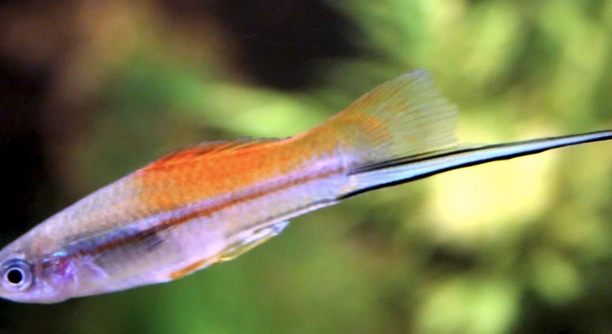
Swordtails are popular fish for home aquariums due to their bright colors and easy care. Many owners seek to create the best environment for these fish. One question that often arises is whether swordtails can live in brackish water.
Swordtails are primarily freshwater fish, but they can tolerate slightly brackish conditions if introduced gradually. However, long-term exposure to brackish water is not ideal and may lead to health complications. Freshwater environments are more suitable for their well-being.
Understanding the needs of swordtails in different water types can help you create the most comfortable habitat for them.
What is Brackish Water?
Brackish water is a mix of freshwater and seawater, typically found in areas like estuaries, coastal regions, and river mouths. The salinity levels are higher than freshwater but lower than seawater. For fish like swordtails, which naturally thrive in freshwater, this mixture can be a challenge. While some species can handle changes in water conditions, swordtails are not built for brackish environments. They prefer stable, low-salinity water, making them more suited for freshwater aquariums. The fluctuating salt levels in brackish water can cause stress over time, affecting their overall health.
Brackish water may seem like a versatile option, but it’s important to consider the fish’s needs. Swordtails can adapt briefly but will likely struggle in these conditions over extended periods.
Swordtails are not naturally equipped to handle brackish water. Their bodies are designed for freshwater, and the constant exposure to salt can wear them down. While they might survive for a short time, it’s not ideal for their long-term health. Salinity causes issues with their kidneys and can lead to internal damage. Swordtails also prefer water temperatures that stay within a narrow range, and brackish environments are often subject to temperature fluctuations. This can further stress the fish and cause complications like weakened immune systems. For a healthy and thriving aquarium, it is best to stick to freshwater for swordtails.
How to Care for Swordtails in Freshwater
Caring for swordtails in a freshwater tank requires a few simple steps to ensure they thrive. Their tank should have a stable pH level, ideally between 7.0 and 8.0, and water temperatures between 72°F and 78°F. Regular water changes are also important for keeping the environment clean.
Keeping the water parameters stable will help swordtails feel comfortable and reduce stress. Salt should not be added to the tank unless there’s a specific medical reason.
Swordtails are hardy and easy to care for when placed in the right conditions. They thrive in moderately planted tanks with plenty of open swimming space. Their diet consists mainly of live, frozen, or flake foods, which are readily available. These fish are social and enjoy the company of other peaceful species. As long as the tank is properly maintained, swordtails can live for several years. Freshwater tanks are an excellent option for swordtails because they mimic the natural environment they come from. It’s important to monitor water quality and ensure the fish are fed properly to keep them healthy.
Swordtail Behavior in Brackish Water
Swordtails are naturally peaceful and enjoy swimming in groups. However, when placed in brackish water, their behavior changes. Stress from the change in water conditions can lead to aggression and erratic swimming patterns. They may also hide more often, which is unusual for them in a freshwater environment.
In brackish water, swordtails tend to become more passive and lethargic, avoiding interaction with other fish. This stress response affects their overall behavior, as they are not adapted to the higher salinity levels. The imbalance in their environment can lead to a drop in appetite, making it harder for them to thrive. Swordtails may also become more susceptible to disease, as the stress weakens their immune system. They are not as active, and their usual social behavior is diminished, leading to a less vibrant aquarium.
The lack of stable conditions also makes it difficult for swordtails to establish a routine or feel secure. They may avoid normal schooling behavior, which is part of their nature. These changes in behavior should be considered when deciding whether to keep swordtails in brackish water. It’s best to keep them in environments where they feel safe and comfortable to ensure their well-being.
How Brackish Water Affects Swordtail Health
Brackish water has a significant impact on swordtail health. Swordtails are freshwater fish, and exposure to salt in the water can put a strain on their kidneys and other organs. The constant need to adjust to the salinity levels can lead to dehydration and other health problems.
Over time, the saltwater environment can cause long-term damage to swordtails, affecting their ability to properly regulate their internal systems. They may begin to show signs of stress such as faded colors, reduced activity, and irregular swimming patterns. The fish’s immune system becomes weaker as they struggle to adapt to the brackish environment. In severe cases, this can lead to diseases and even death. The salinity disrupts their natural processes, making it much harder for them to stay healthy over time. It’s essential to provide them with proper care in freshwater settings for their health and longevity.
Swordtails and Salt Tolerance
Swordtails can tolerate low levels of salt for short periods. However, they are not built for long-term exposure to salty water. The salt causes stress, and prolonged contact can lead to serious health issues. They should not be kept in brackish water as a permanent solution.
A temporary amount of salt may help treat certain fish diseases, but it should not be a constant feature in their tank. Swordtails should only experience slightly salty water if required, but freshwater is always the best choice for their health and comfort.
Maintaining a Healthy Freshwater Environment
Keeping a freshwater tank for swordtails involves monitoring water conditions regularly. Temperature, pH, and hardness should be checked often to maintain the best possible environment. Regular water changes, along with a good filtration system, help keep the tank clean and the fish healthy.
This care routine ensures that swordtails remain active, vibrant, and disease-free. A stable environment is key to their overall well-being, making freshwater the most suitable option.
Swordtail Tankmates
Swordtails are peaceful fish that do well with other similar-sized species. They are social and enjoy the company of other peaceful fish. It’s important to avoid aggressive tankmates that may stress them out, especially in a brackish environment.
FAQ
Can swordtails survive in brackish water?
Swordtails are primarily freshwater fish and do not thrive in brackish water. While they may tolerate low salinity for short periods, long-term exposure can lead to stress and health problems. They are better suited to a stable freshwater environment where they can stay healthy and active.
How much salt can swordtails tolerate?
Swordtails can tolerate a small amount of salt, especially during certain treatments for diseases like ich. However, they should not be kept in saltwater or brackish water regularly. Over time, the salt can harm their kidneys and internal organs. It’s best to keep their environment as close to freshwater as possible.
What happens if swordtails are kept in brackish water for too long?
Keeping swordtails in brackish water for too long can lead to weakened immune systems, reduced activity, and organ damage. Stress from salt exposure can also cause them to stop eating and even become more vulnerable to diseases. It’s not recommended for their long-term health.
Can swordtails live with other fish in brackish water?
Swordtails can live with other peaceful fish in brackish water, but it is not ideal. The added salt can stress them out, making them more prone to disease and aggression. It’s best to keep swordtails in a freshwater environment where they can thrive alongside compatible tankmates.
What is the best water type for swordtails?
Swordtails are best kept in freshwater. They prefer a stable pH range of 7.0 to 8.0 and a water temperature of 72°F to 78°F. Freshwater provides the ideal environment for them to remain healthy, active, and vibrant. Avoid introducing salt unless needed for treatment.
How can I tell if my swordtail is stressed?
Signs of stress in swordtails include faded colors, reduced activity, and hiding more often than usual. If your swordtail is not eating or behaving differently from normal, it may be stressed. Check water parameters, temperature, and tankmates to ensure everything is in optimal condition.
Can I use salt to treat swordtails in freshwater?
Salt can be used to treat certain fish diseases in freshwater, but it should be done carefully. A small amount of aquarium salt can help with problems like ich, but the tank should not be salted regularly. Always follow the recommended dosage to avoid harming your swordtails.
Do swordtails need a filter in their tank?
Yes, swordtails benefit from having a good filtration system. They produce waste that can pollute the water, so a filter helps keep the tank clean. Make sure the filter is rated for the size of your tank and that water flow isn’t too strong for the swordtails.
How often should I change the water in a swordtail tank?
Water changes are essential for swordtail health. It’s generally recommended to change about 25-30% of the tank water every 1-2 weeks. This helps maintain water quality and removes harmful toxins that can build up over time. Always check water parameters before and after water changes.
What type of food is best for swordtails?
Swordtails are omnivores and will eat a variety of foods, including high-quality flake food, frozen or live foods like brine shrimp, and some plant matter. A balanced diet is important to keep them healthy. Be sure to feed them small portions 2-3 times a day to avoid overfeeding.
Can swordtails be kept in small tanks?
While swordtails can live in tanks as small as 10 gallons, a larger tank is preferable. They are active fish and require space to swim freely. A 20-gallon tank or larger is ideal for keeping them comfortable and healthy. A larger tank also makes it easier to maintain stable water parameters.
Are swordtails good for beginner fish keepers?
Yes, swordtails are generally considered good for beginners due to their hardy nature. They are easy to care for and adapt well to a variety of water conditions. However, it’s important to understand their specific needs, like water temperature and pH, to ensure they remain healthy.
How long do swordtails live?
Swordtails typically live between 3 to 5 years, but with proper care, they can live longer. Regular water changes, a balanced diet, and a peaceful environment contribute to their longevity. It’s essential to monitor their health closely throughout their life to catch any issues early.
Can swordtails breed in a community tank?
Swordtails are livebearers and can breed in a community tank. However, unless you want to raise the fry, it’s a good idea to keep males and females in separate tanks, as they will breed readily. If you want to prevent fry, you can also use a breeding trap or isolate the females.
What tank temperature do swordtails prefer?
Swordtails prefer a water temperature between 72°F and 78°F. Keeping the temperature within this range helps them stay active and healthy. Fluctuations in temperature can stress the fish, so it’s best to use a reliable aquarium heater to maintain consistent warmth in their tank.
What are the signs of illness in swordtails?
Signs of illness in swordtails include faded or unusual coloring, loss of appetite, abnormal swimming behavior, or visible lesions and sores. If you notice any of these signs, check the water quality and consider isolating the affected fish. Early intervention can help prevent the spread of disease.
Final Thoughts
Swordtails are beautiful and hardy fish that thrive in freshwater environments. While they can tolerate brief exposure to brackish water, it’s not the ideal habitat for them. Swordtails are adapted to live in stable freshwater conditions, and introducing salt into their environment for extended periods can lead to stress and health issues. Their bodies are not designed to handle the fluctuating salinity levels that come with brackish water, which can make them more vulnerable to diseases and weaken their immune system over time. Keeping swordtails in a freshwater tank helps ensure that they remain healthy, active, and vibrant.
If you’re considering keeping swordtails, it’s important to provide them with the right conditions for optimal health. Maintaining stable water parameters, such as temperature, pH, and hardness, will make a significant difference in how well they thrive. Regular water changes and proper filtration are essential to keeping their environment clean and balanced. Swordtails are social fish that prefer to be in groups, so it’s a good idea to keep them with other peaceful species that share similar water requirements. With the right care, swordtails can live a long, happy life in a freshwater tank.
In conclusion, while swordtails are adaptable fish, their long-term well-being depends on the environment you provide. Freshwater is the most suitable habitat for them, offering the conditions they need to stay healthy. Brackish water might be suitable for some species, but for swordtails, it’s best to stick with freshwater to avoid potential complications. By understanding their needs and creating a comfortable, stable environment, you’ll help your swordtails live their best lives, adding beauty and life to your aquarium.

Hello,
If you enjoy the content that we create, please consider saying a "Thank You!" by leaving a tip.
Every little bit helps us continue crafting quality advice that supports the health, happiness, and well-being of pets around the world, for pets of all shapes, sizes, and species.
We really appreciate the kindness and support that you show us!