
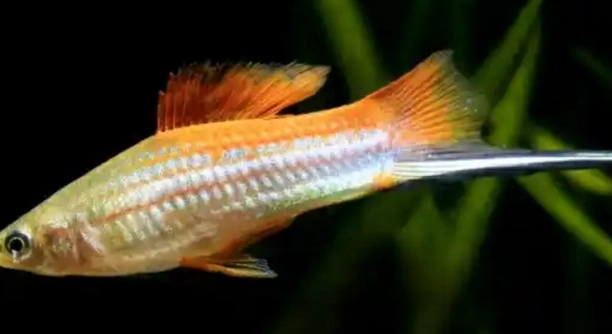
Swordtails are popular aquarium fish known for their vibrant colors and playful nature. Many people enjoy observing their behavior, especially during feeding times. One question often raised is whether swordtails can learn from their routine feeding schedule.
Swordtails can indeed adapt to routine feeding. They may recognize feeding times and learn to anticipate food. Regular feeding schedules help establish a predictable routine, and fish may become conditioned to respond to specific cues, such as a certain time or sound.
Understanding how swordtails learn from feeding habits provides insight into their behavior and care. Learning more about this can improve your experience with keeping them as pets.
How Swordtails Respond to Routine Feeding
Swordtails can recognize consistent feeding patterns. Over time, they start to associate certain actions or times with food. This predictable routine helps them feel secure and confident. As they learn, swordtails may become more active when they expect food, swimming to the surface or following your movements. This behavior can vary depending on the individual fish, but most swordtails respond to routine feeding in similar ways. By establishing a feeding schedule, you allow your fish to feel more comfortable and engaged in their environment. Consistency is key when it comes to nurturing this behavior.
Fish like swordtails thrive on routine because it brings structure to their daily lives. When they know when to expect food, they can focus more on their surroundings and health. Without a routine, swordtails might appear more stressed or lethargic.
In the long run, swordtails become more social and confident with consistent feeding. They learn to associate you with nourishment, and this can even result in them eagerly awaiting your presence. This learned behavior makes maintaining a healthy, stress-free environment easier for both you and your fish.
Establishing a Feeding Schedule
A consistent feeding schedule can help swordtails feel more comfortable. It also keeps them healthy and active.
Setting specific times for feeding gives your fish the stability they need. It can reduce anxiety, improve their overall behavior, and even support their physical well-being. Swordtails, like most fish, benefit from a regular feeding routine that aligns with their natural cycles.
Signs Your Swordtails Recognize Feeding Times
Swordtails will begin to act more eagerly when they sense it’s feeding time. They might swim toward the surface or follow your movements as you approach their tank. This is a sign they’ve learned to anticipate food. Over time, their response to feeding cues becomes quicker and more noticeable.
They may also start to exhibit specific behaviors, like circling in one spot or swimming in patterns that indicate excitement. This shows they are associating certain signals, like a sound or movement, with the arrival of food. Swordtails can even recognize the times of day, adjusting their behavior accordingly. This means that establishing a feeding routine can make your fish more active and engaged, which is an essential part of keeping them healthy and happy.
While these behaviors can be common, it’s important to monitor your fish closely. Swordtails who become too reliant on routine may show signs of impatience or stress if their schedule is disrupted.
Benefits of a Feeding Routine
A feeding routine improves the overall health of your swordtails. It encourages regular activity, reduces stress, and helps them maintain a healthy weight.
When swordtails know when to expect food, they are more likely to eat at the appropriate times. This reduces the chances of overfeeding or underfeeding, both of which can lead to health problems. Additionally, feeding at regular intervals supports their natural biological rhythms, such as digestion and metabolism. The consistent feeding times allow their bodies to process food more efficiently, leading to better energy levels and overall health.
Swordtails and the Role of Environmental Cues
Swordtails can also learn from environmental cues, like the sound of a filter or the movement of a hand near their tank. They may start associating these with feeding time. These cues reinforce their anticipation and help them recognize when food is coming.
When swordtails hear the sound of the filter or notice your movements, they may start swimming toward the surface in preparation. They use these environmental signals as indicators of feeding time. Over time, they learn to connect these triggers with the reward of food, creating a more predictable and stable routine for them.
How to Train Swordtails to Recognize Feeding Times
Consistency is the key when training swordtails to recognize feeding times. It’s important to feed them at the same times each day.
Feeding them consistently helps them understand the schedule. Swordtails are smart and can easily pick up on subtle patterns. By feeding them at the same times, they will start to expect food around those hours, which improves their behavior and overall health.
FAQ
Can swordtails recognize different types of food?
Yes, swordtails can learn to associate specific foods with certain smells or visual cues. If you feed them the same type of food regularly, they may start to recognize it and show excitement when it is introduced. They may also become more selective over time, preferring certain types of food over others.
How long does it take for swordtails to learn feeding times?
Swordtails are relatively quick learners, and it may only take a few days to a week for them to begin recognizing feeding times. Once they are conditioned to expect food at certain times, they will begin to display behaviors like swimming towards the surface or waiting by the front of the tank in anticipation.
Do swordtails get stressed if feeding times are inconsistent?
Swordtails may experience stress if their feeding schedule is unpredictable. Fish thrive on routine, and inconsistency can cause confusion or anxiety. While swordtails are generally hardy, a disrupted feeding schedule can affect their behavior, appetite, and overall health. It’s best to feed them at the same times every day.
Can swordtails overeat if they are fed too often?
Yes, swordtails can overeat if they are fed too frequently. Overfeeding can lead to obesity, poor water quality, and other health issues. It’s important to feed them only what they can consume in a few minutes and to avoid feeding them too often. Stick to a regular feeding schedule to maintain their health.
Is it okay to feed swordtails only once a day?
Yes, it’s generally okay to feed swordtails once a day. Swordtails are not big eaters and can do well with one meal a day, as long as the portion is appropriate for their size and activity level. Some fish keepers prefer to feed their swordtails twice a day, but once a day works just fine for most.
Can swordtails learn to recognize feeding cues from other fish in the tank?
Swordtails are social fish, and they may learn from observing the behavior of other fish. If other fish in the tank get excited when feeding time approaches, swordtails may start to recognize these cues. However, each fish has its own learning pace, so swordtails may pick up on cues at different rates than other species.
How can I tell if my swordtail is underfed?
An underfed swordtail may appear lethargic, thin, or have reduced coloration. If your swordtail is not eating during feeding times or seems disinterested in food, it may be underfed. Additionally, if your swordtail’s body looks hollow or it’s not growing properly, these are signs that it might need more food.
What should I do if my swordtail stops eating?
If your swordtail stops eating, it could be a sign of stress, illness, or water quality issues. First, check the water parameters like temperature, pH, and ammonia levels. If the water quality is good, try offering different types of food to see if your swordtail prefers something else. If the issue persists, consult a vet or aquatic specialist.
Can I train my swordtails to come to the surface when they see me?
Yes, swordtails can be trained to come to the surface or approach the tank when they see you. Start by feeding them at the same time every day and always approaching the tank from the same direction. Over time, they will begin to recognize you as the source of food and will eagerly swim toward you when they see you coming.
Should I feed swordtails frozen food or live food?
Both frozen and live food are great options for swordtails. Live food provides a more natural hunting experience, which can stimulate their instincts. However, frozen food is often more convenient and safer in terms of avoiding parasites. A varied diet, including both frozen and live food, will keep your swordtail healthy and engaged.
Can swordtails recognize me as their owner?
Swordtails may not recognize you in the same way that mammals do, but they can associate you with food and positive experiences. Over time, they may become more responsive to your presence and even swim toward you when they see you approaching the tank. This behavior shows they have learned to connect you with their feeding routine.
What type of food is best for swordtails?
Swordtails are omnivores and benefit from a balanced diet. High-quality flake food, pellets, and frozen or live foods like brine shrimp, daphnia, and bloodworms can be included in their diet. It’s important to provide a variety of foods to ensure they get the necessary nutrients for good health.
How do I prevent swordtails from fighting over food?
Swordtails are generally peaceful fish, but competition for food can occur, especially in crowded tanks. To prevent this, feed them in different areas of the tank or use a feeding ring to ensure all fish have access to food. Feeding in small portions over time rather than large quantities can also help reduce competition.
How much should I feed my swordtail each day?
Swordtails should be fed a small amount of food that they can consume within 2 to 3 minutes. Overfeeding can lead to water quality issues and health problems. Feed them twice a day, or once if that suits your schedule, but make sure to avoid large portions. Adjust the amount based on their activity level and size.
Final Thoughts
Swordtails are adaptable fish that can learn quickly from their environment. By creating a consistent feeding routine, they can easily recognize the signals associated with food. Whether it’s the sound of the filter or your movements, swordtails will begin to connect these cues with feeding time. This can make them more active and engaged, and it may also improve their overall health. However, just like with any pet, consistency is key. Regular feeding times and portion control are essential to keep them happy and healthy.
While swordtails can learn from routine feeding, it’s important to avoid overfeeding. Swordtails are not big eaters, and excessive food can cause health issues like obesity or poor water quality. By feeding them in controlled amounts and at regular times, you ensure they get the nutrients they need without causing harm. Keep in mind that their diet should be varied, including both frozen and live foods, to ensure they get a balance of nutrients. A routine not only helps with behavior but also with their digestion and metabolism.
In the end, learning from routine feeding offers many benefits for your swordtails. It can make feeding times smoother and less stressful for both you and the fish. Observing your swordtails closely will help you understand their needs and preferences. With a bit of patience and consistency, you can create a feeding schedule that works well for them, keeping them healthy and happy in the long run. It’s a small effort that can have a big impact on their well-being.

Hello,
If you enjoy the content that we create, please consider saying a "Thank You!" by leaving a tip.
Every little bit helps us continue crafting quality advice that supports the health, happiness, and well-being of pets around the world, for pets of all shapes, sizes, and species.
We really appreciate the kindness and support that you show us!