
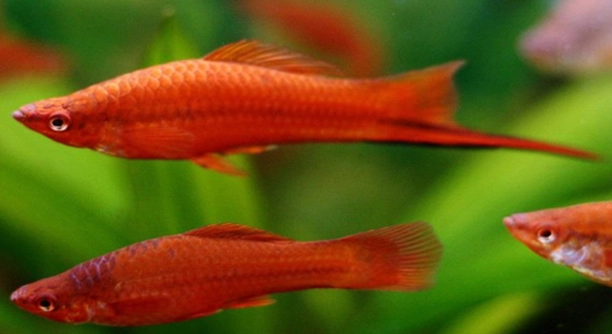
Have you ever found yourself watching your swordtail fish swim peacefully, only to be surprised by a sudden splash near the tank lid?
Swordtails are capable of jumping without any clear warning, often due to stress, poor water conditions, or a sudden change in environment. This behavior can occur even in well-maintained tanks and may happen unexpectedly.
Understanding why swordtails jump can help you create a safer tank setup and avoid unexpected accidents that could harm your fish.
Why Swordtails Jump Without Warning
Swordtails may jump without warning for a few key reasons, and most of them relate to their surroundings. Changes in water quality, overcrowding, sudden loud noises, or even poor lighting can startle them. These fish are naturally active and can be sensitive to stress. When they feel uneasy or trapped, jumping is a quick escape response. Another reason could be breeding behavior, especially in tanks with a higher ratio of males. Aggressive chasing may cause sudden movements that result in a leap. Even a simple bump into the glass or a reflection might trigger the jump. This is why it’s important to maintain a peaceful environment. While their behavior may seem random, there’s often something in the tank or the room that’s causing them to react. Being aware of these factors can help prevent surprising situations and keep your fish from injuring themselves during a jump.
Stress is the most common trigger for sudden jumps. It’s often linked to water temperature, ammonia levels, or rapid changes in tank conditions.
Keeping your tank stable and calm plays a big role in preventing this behavior. Avoid overstocking your aquarium and try to maintain consistent routines. Regular water tests and soft lighting help reduce anxiety in swordtails.
How to Keep Them Safe
A secure lid is the simplest way to protect your swordtails from jumping out of the tank. It prevents accidents, especially during maintenance or when they are spooked.
Beyond adding a lid, consider how your tank setup may be influencing your fish’s behavior. Tanks placed near loudspeakers, busy walkways, or direct sunlight may cause unnecessary stress. Dim lighting and hiding spots offer comfort and security. If your fish show signs of frequent jumping or darting, take time to evaluate your water parameters. Look for high nitrates or unstable pH levels. Even minor changes can make a difference. Breeding aggression can also be reduced by having more females than males and enough space for everyone. Try not to tap the glass or make sudden movements near the tank. These small adjustments help your swordtails feel safe, reducing their need to jump and improving their overall quality of life.
Common Triggers You Might Overlook
Small things like sudden light changes or tank vibrations can make swordtails feel uneasy. Even moving decorations or cleaning the tank too quickly may cause stress that leads to jumping. These triggers are easy to miss but can affect fish behavior more than we realize.
Swordtails are sensitive to routine changes. If you feed them at different times, change water too often, or adjust the tank layout frequently, they may react with alarm. A new fish introduced into the tank, especially an aggressive one, can increase stress levels. Even turning on a bright room light suddenly when the tank has been dark can cause a startled reaction. These shifts in their daily environment are often underestimated. To help reduce the risk, keep things as steady as possible. Observing your fish closely during and after any change can give you clues about what might be bothering them.
Some tank materials or equipment can also be unsettling. Loud filters, bubbling air stones, or reflective backgrounds can confuse or overwhelm swordtails. Reflections, in particular, may lead them to think another fish is near, which may result in defensive behavior or jumping. Using gentle equipment and soft lighting can create a more calming space. Curtains or plants near the tank can help reduce room glare. If you notice your fish acting nervous or swimming quickly near the surface, it may be worth checking if something in the room or tank is triggering that reaction. Reducing unnecessary noise and visual clutter around the tank can help your swordtails feel more at ease.
Best Setup Practices for Jump Prevention
A secure lid is non-negotiable. Make sure it’s well-fitted, with no wide gaps near filter or heater cords. Even a small opening can become a quick escape route if your swordtail is startled or overly active near the surface.
A peaceful environment helps a lot. Keep your tank in a low-traffic area away from sudden noises, foot traffic, or bright lighting changes. Include plenty of plants or hiding spots to give fish places to rest and feel safe. Use a background to reduce reflections. Tank mates should be chosen carefully—peaceful, non-aggressive species that don’t crowd or chase swordtails. Limit the number of fish to avoid stress from overstocking. Maintain stable water temperature and quality, using gentle filters that don’t cause strong currents. Handle tank maintenance calmly and avoid tapping on the glass. These small changes make the tank feel safer, helping your swordtails stay calm and reducing the risk of unexpected jumps.
What to Do After a Jump
If your swordtail jumps out, act fast. Gently place it back into the tank using clean, wet hands or a soft net. Avoid rubbing or drying out the fish during this process, as their skin is delicate.
After returning the fish to the tank, observe it closely. Look for signs of injury or stress, like erratic swimming or fading color. Keep the tank calm and lights dim to reduce further stress. A small water change can also help refresh oxygen and improve conditions.
When Jumping Becomes a Pattern
Frequent jumping is usually a sign that something is wrong. Start by testing the water for ammonia, nitrites, nitrates, and pH. Review tank conditions, check for aggression from other fish, and evaluate lighting and noise levels. Look at your maintenance habits—are they too abrupt or too frequent? Gradual changes make a big difference. If everything checks out, but the behavior continues, consider rehoming aggressive tank mates or changing the tank’s layout to add more hiding spaces. Persistent jumping isn’t normal, and it’s often your fish’s way of showing distress. Keep things consistent, quiet, and balanced to help prevent repeated episodes.
Simple Changes That Make a Difference
Use floating plants to soften light and add surface coverage. It gives swordtails a sense of safety and lowers the chances of sudden jumps.
FAQ
Why do swordtails jump out of the tank?
Swordtails may jump due to stress, poor water quality, or sudden changes in their environment. This includes fluctuating water temperature, noise, bright lights, or new fish being introduced. They might also jump if they feel crowded or threatened. Swordtails are naturally active and curious, so any disturbances can trigger an escape response.
Can swordtails jump when they’re happy?
Swordtails generally jump as a response to stress or environmental changes. However, some may leap during periods of excitement or when they’re engaging in breeding behavior. Males sometimes chase females aggressively, leading to sudden movements or jumps. While it can happen during more playful moments, it is more often a sign of unease.
What can I do to stop my swordtail from jumping?
To prevent jumping, ensure your tank has a secure lid. Create a stable environment by maintaining water quality, keeping tank temperature consistent, and reducing sudden noises or light changes. Add plants and decorations to give your swordtails hiding spots, and avoid overcrowding. A calm and peaceful setting will reduce their urge to jump.
Is it safe for swordtails to jump?
While swordtails are fairly resilient, jumping can still be dangerous. If they jump out of the tank, they risk injury, dehydration, or even death. It’s essential to have a secure lid and to quickly return any escaped fish to the tank to minimize harm. Constant jumping can also stress them out, which impacts their overall health.
How can I tell if my swordtail is stressed?
Signs of stress in swordtails include rapid swimming, hiding more than usual, fading color, erratic movements, or staying near the surface. If you notice these behaviors, it’s important to check water quality, tank mates, and any potential sources of stress. Swordtails should appear calm and active under normal conditions.
Can the size of the tank affect jumping behavior?
Yes, tank size plays a role in a swordtail’s behavior. If the tank is too small or overcrowded, swordtails might feel trapped and stressed, leading them to jump. Having enough space to swim freely is important for their mental and physical health. A larger tank with proper filtration provides a more comfortable environment.
What type of tank setup can help reduce jumping?
A tank setup that minimizes stress will help reduce jumping. Ensure there’s enough space for your swordtails to swim without feeling crowded. Include plants, rocks, and other hiding places to help them feel secure. Keeping the tank out of high-traffic areas, using dim lighting, and reducing noise levels are also effective in calming them.
Do swordtails jump more during breeding?
Yes, swordtails can jump more often during breeding periods, especially males chasing females. They may leap out of excitement or because of competition with other males. To manage this, ensure there’s plenty of space in the tank and more females than males to reduce aggression. Providing hiding spots for females can also help them avoid unwanted attention.
What is the best water temperature for swordtails to prevent jumping?
Swordtails prefer water temperatures between 72°F and 82°F (22°C to 28°C). Extreme fluctuations in temperature can stress them out, leading to jumping. Use a reliable heater to maintain a consistent temperature. Sudden drops or rises in temperature, even if brief, can cause them to jump out of distress.
Can tank mates contribute to swordtails jumping?
Yes, aggressive tank mates can definitely cause swordtails to jump. If other fish are chasing or stressing out your swordtails, they might attempt to escape by jumping. Always choose tank mates that are compatible in terms of size and temperament. Peaceful fish are ideal for a community tank.
How do I know if my swordtail is jumping out of excitement or stress?
If your swordtail is jumping in short bursts, darting from one spot to another without a clear pattern, it’s likely stressed. Jumping during breeding activity is usually more deliberate and can be associated with chasing. Watching their behavior closely and assessing the environment can help you determine the cause.
Can a noisy environment cause swordtails to jump?
Yes, swordtails can be easily startled by sudden, loud noises. If your tank is placed near a television, loud speakers, or other sources of noise, your swordtail might jump in response. Try moving your tank to a quieter area and observe how your fish behave. Reducing noise levels in the room can help your fish feel more secure.
What should I do if my swordtail keeps jumping despite taking precautions?
If your swordtail continues to jump despite making changes to the environment, it might be a sign of a deeper issue. You may want to test the water quality again, check the tank setup for any overlooked stressors, and ensure there are no aggressive tank mates. If jumping persists, it could be helpful to consult an aquarium specialist or consider relocating more aggressive fish.
How can I tell if the water quality is affecting my swordtail?
Poor water quality can stress your swordtails, causing them to jump. If your swordtail is exhibiting signs of distress, like erratic swimming or fading color, test the water for ammonia, nitrites, nitrates, and pH levels. If any of these are outside the optimal range, perform a water change and adjust accordingly. Clean water is essential for the health of your fish.
Should I use a lid if I have a larger tank?
Even in larger tanks, using a lid is a good idea. Larger tanks still allow swordtails to leap, especially if there are sudden disturbances or stress factors. A lid will prevent escape and protect your fish from injury. Ensure the lid fits securely, allowing for proper filtration and air circulation.
Final Thoughts
Swordtails are active and energetic fish that can sometimes surprise us with a sudden jump out of the tank. While it’s natural for them to be curious and responsive to their environment, unexpected jumping is often a sign of stress or discomfort. Understanding the reasons behind this behavior is crucial in ensuring your swordtails remain safe and healthy. Factors like water quality, tank conditions, and even tank mates can have a significant impact on their well-being. By paying attention to these details, you can help prevent the risk of your swordtails jumping unexpectedly.
It’s important to create a stable environment for your swordtails to thrive. This includes maintaining the right water temperature, providing ample space, and using a well-fitted tank lid. Avoid sudden changes in their environment, such as drastic shifts in water conditions, loud noises, or changes in tank layout. These changes can cause stress, leading to erratic behaviors like jumping. Ensuring your swordtails feel secure in their environment will reduce the chances of them attempting to leap out of the tank. Adding plenty of hiding spots and plants can also help them feel more comfortable, as these provide a sense of security.
If your swordtail does jump, it’s essential to act quickly and safely return it to the tank. However, if jumping becomes a regular issue, it’s a sign that something is wrong in their environment. Regularly check water quality and tank conditions, and pay attention to any stressors that might be present. Swordtails are generally hardy, but a peaceful, consistent environment is key to keeping them healthy and happy. Making small adjustments in their setup can go a long way in preventing future jumping incidents and ensuring a safe space for your fish.

Hello,
If you enjoy the content that we create, please consider saying a "Thank You!" by leaving a tip.
Every little bit helps us continue crafting quality advice that supports the health, happiness, and well-being of pets around the world, for pets of all shapes, sizes, and species.
We really appreciate the kindness and support that you show us!