
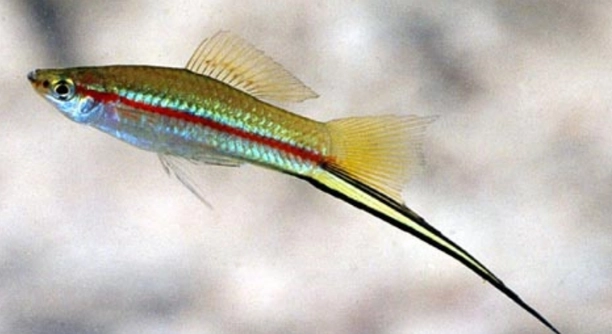
Have you ever walked past your fish tank and tapped the glass to get your swordtail’s attention, wondering if they noticed it at all?
Swordtails are capable of detecting vibrations in the water, including those caused by tapping on the glass. While they cannot hear the tap in the way humans perceive sound, they can sense it through their lateral line system.
Understanding how your swordtails experience their environment can help you interact with them in a more respectful and stress-free way.
How Swordtails Sense Vibrations
Swordtails do not have ears like humans, but they can still sense movement and vibrations through the water. They use a special system called the lateral line, which runs along the sides of their bodies. This system helps them detect changes in water pressure and movement, allowing them to respond to nearby activity. When you tap on the glass, the vibrations travel through the tank water and are picked up by this sensory line. It alerts the fish that something is happening, even if they don’t understand the exact source. These vibrations can signal danger or curiosity, depending on the fish’s experience. While swordtails may not “hear” your tap as a sound, they definitely feel its effect. It is important to remember that tapping might cause stress or confusion, especially if it happens often or loudly. Sensitivity to vibration is part of how swordtails navigate their space and interact with their surroundings.
Tapping on the glass may seem harmless, but it can create sudden and unexpected pressure waves that surprise or alarm your swordtails.
Understanding how swordtails experience their environment helps create a calmer tank atmosphere. Their natural sensitivity makes them more aware of disruptions, so minimizing unnecessary tapping can support their comfort and overall well-being.
Why Tapping Can Be Stressful
Loud or repeated tapping on the tank glass can become overwhelming for your swordtails, especially if it happens often or without warning.
Since swordtails depend on their lateral line to detect movement, tapping can feel like a sudden disruption in their usually calm space. They may respond by swimming erratically, hiding, or becoming less active. These behaviors are signs of stress. Prolonged stress can lead to changes in appetite, weaker immune function, and increased risk of illness. In community tanks, one stressed fish can influence the behavior of others, creating a tense atmosphere. If you tap the glass trying to interact or get their attention, the opposite may happen. Instead of swimming toward you, they may retreat. It’s better to engage by observing quietly or using routine feeding times to bond. Making their environment feel safe helps them stay active and display natural behaviors. Avoiding sharp noises and sudden movements gives your swordtails a chance to thrive.
Creating a Calmer Environment
Minimizing stress for your swordtails starts with reducing sudden noises and movements around the tank. Avoid tapping on the glass, and try to place the aquarium in a quiet spot away from foot traffic or loud devices.
A calm environment helps swordtails stay relaxed and maintain healthy behavior. Use soft lighting and keep water conditions stable with regular maintenance. Live plants and hiding spots also give them safe spaces when they feel overwhelmed. Feeding at consistent times builds routine, and watching them without making sudden movements can help them feel secure. If there are children around, teach them to interact gently and not tap on the tank. Even small changes in their environment can affect how they behave. Swordtails thrive in peaceful settings where they can swim freely without constant interruption. Creating this kind of space is one of the best things you can do for their comfort and overall health.
Over time, you may notice positive changes when the tank stays calm. Swordtails tend to explore more and interact more naturally with their surroundings. They may swim with smoother movements and become more visible throughout the day. These small signs show that your fish feel safer and less anxious. Consistency and care in their surroundings make a big difference.
Better Ways to Interact with Swordtails
Instead of tapping, try standing still near the tank or gently placing your hand nearby during feeding times. This helps them associate your presence with something familiar and non-threatening.
Swordtails are naturally curious and often respond to visual cues. If you feed them regularly at the same time and place, they may start coming to the surface when they see you. Use slow, smooth movements when you’re near the tank so they don’t feel startled. You can also softly talk while feeding; the sound of your voice may become something they associate with food and calm moments. Avoid tapping or knocking, especially during rest periods or when they’re hiding. If your swordtails feel secure, they will swim more openly and may even follow your hand across the tank. Building trust takes time, but with consistent and gentle interaction, they will begin to recognize you as part of their environment rather than a disturbance.
Signs Your Swordtail Is Stressed
Look for unusual behavior like hiding more than usual, swimming in quick bursts, or refusing to eat. These may indicate your swordtail is feeling stressed or uncomfortable with something in its environment.
Stress can also show through pale coloring, clamped fins, or staying near the bottom of the tank. These changes should not be ignored.
Adjusting Your Setup
Check water quality first—ammonia, nitrite, and nitrate levels should be stable. Use a reliable filter and perform regular water changes. Add plants or decorations to create hiding spots. A consistent light schedule and reduced outside noise help too. These adjustments support a calm environment and better behavior from your swordtails.
Keep It Gentle
Quiet observation and gentle movements are more effective than tapping. Respecting their sensitivity helps your swordtails feel safe, stay active, and behave naturally every day.
FAQ
Can swordtails hear tapping on the glass?
Swordtails cannot hear tapping the way humans do, as they lack ears. However, they can sense vibrations through their lateral line system. The vibrations from tapping travel through the water, alerting them to movement. While they don’t “hear” it as sound, they feel the disruption.
Is tapping on the glass harmful to swordtails?
Tapping on the glass can cause stress, especially if done repeatedly. Swordtails are sensitive to vibrations, and constant disturbances can make them anxious. Stress can lead to health issues like a weakened immune system or reduced appetite. It’s best to avoid tapping altogether and engage with them in a gentler manner.
How can I tell if my swordtail is stressed?
Signs of stress include erratic swimming, hiding more than usual, loss of appetite, or faded colors. They may also spend more time near the bottom of the tank or swim frantically in one spot. These behaviors indicate that something in their environment is causing discomfort.
What can I do to reduce stress for my swordtails?
Creating a peaceful tank environment is essential. Keep the tank in a quiet area, reduce tapping or sudden movements, and maintain stable water quality. Adding plants, decorations, and hiding spots can also provide comfort. A consistent feeding schedule and calm interaction will help reduce stress.
Can swordtails live with other fish?
Yes, swordtails are generally peaceful and can live with other fish. However, they should be housed with species that are similarly peaceful and not overly aggressive. Avoid putting them with fish that might stress them out, like fin-nippers or overly territorial species.
What is the best tank size for swordtails?
A 20-gallon tank is a good size for a small group of swordtails. They are active swimmers, so space is important. A larger tank allows for more stable water conditions and provides room for swordtails to explore. For each additional fish, consider increasing the tank size by 5 gallons.
Do swordtails need a filter?
Yes, a filter is essential to maintain clean water and remove toxins like ammonia and nitrates. Swordtails are sensitive to poor water quality, so having a reliable filter is crucial. Regular water changes are also important for keeping the water in optimal condition.
What is the ideal temperature for swordtails?
Swordtails thrive in water temperatures between 72°F and 82°F (22°C to 28°C). Maintaining a stable temperature within this range is crucial to keep your swordtails healthy. Extreme fluctuations in water temperature can cause stress and lead to illness.
How often should I feed my swordtails?
Swordtails should be fed once or twice a day, offering only as much food as they can consume in a few minutes. Overfeeding can lead to poor water quality and obesity, while underfeeding can cause malnutrition. A balanced diet of flake food, frozen foods, and occasional plant matter is ideal.
Can swordtails be bred in a tank?
Yes, swordtails can be bred in a tank. They are livebearers, meaning they give birth to live young instead of laying eggs. To breed swordtails, maintain a male-to-female ratio of 1:2 to avoid aggression. Provide hiding spots for the fry, as adult swordtails may eat them.
How long do swordtails live?
Swordtails typically live for 3 to 5 years, though some can live longer with proper care. Providing a stable environment, consistent water changes, and a good diet can help maximize their lifespan. Regular monitoring of their health is key to preventing illness and ensuring a long life.
Do swordtails need a specific diet?
Swordtails are omnivores, meaning they eat both plant matter and small invertebrates. A varied diet is best for them, including high-quality flake food, frozen or live foods like brine shrimp, and occasional vegetables like spinach or zucchini. This will ensure they get all the nutrients they need.
Can swordtails change gender?
While swordtails cannot change their sex, there is a phenomenon where female swordtails can develop male-like features, such as a sword-like tail, if they are kept with a higher number of females than males. This is a response to social factors, not a true sex change.
Why are my swordtails not breeding?
Swordtails may not breed if they are stressed, if the water conditions are poor, or if they are not provided with enough space. Ensure a proper male-to-female ratio, stable water temperature, and healthy feeding habits. If the conditions are right, swordtails should breed easily.
What should I do if my swordtail is sick?
If your swordtail shows signs of illness, like faded colors, difficulty swimming, or lesions, it’s important to separate it from the rest of the tank to prevent the spread of disease. Consult a veterinarian who specializes in fish or use appropriate medications for fish diseases. Ensure water conditions are optimal and maintain a stress-free environment.
Final Thoughts
Swordtails are beautiful, active fish that can bring life to your aquarium. Their behavior is often influenced by their environment, and small changes in their surroundings can significantly affect how they interact with their tank. Understanding their needs and habits is key to keeping them happy and healthy. Creating a calm, stable environment is crucial, as they are sensitive to stress. This includes managing noise, vibrations, and water quality. Regular maintenance and gentle handling will help ensure they live their best lives in your care.
Their social nature makes swordtails great additions to community tanks, but it’s important to keep them with compatible species. Swordtails generally do well with peaceful fish, but aggressive tank mates can cause stress. Similarly, providing enough space and hiding spots in the tank can reduce territorial behavior and give them places to retreat when needed. By being mindful of their needs and behaviors, you can avoid many common issues and create a harmonious tank.
By respecting their sensitivity and providing a proper environment, you can foster a long and healthy life for your swordtails. They are relatively low-maintenance compared to other fish species, but they still require your attention and care. Over time, you may notice how their behavior shifts to match the peace and consistency of their surroundings. Swordtails can thrive under the right conditions, bringing beauty and energy to your aquarium. With a little effort and observation, you can enjoy their company for years to come.

Hello,
If you enjoy the content that we create, please consider saying a "Thank You!" by leaving a tip.
Every little bit helps us continue crafting quality advice that supports the health, happiness, and well-being of pets around the world, for pets of all shapes, sizes, and species.
We really appreciate the kindness and support that you show us!