
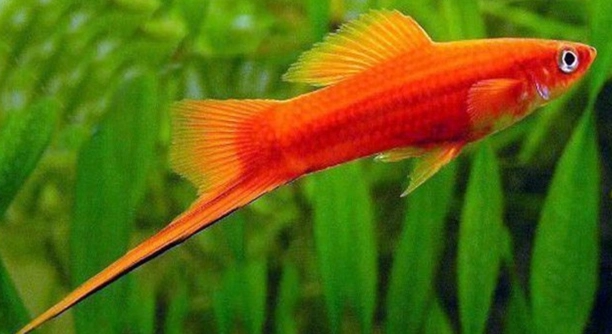
Swordtails are active fish that need a balanced diet to thrive. Overfeeding can lead to health issues, affecting their energy and overall well-being. Understanding how excessive food intake impacts their behavior is essential for their care.
Overfeeding swordtails can lead to fatigue, as excess food can cause digestive strain and reduced activity. This may result in lethargy and a decline in health, making it essential to maintain proper feeding habits for their well-being.
Proper feeding habits are key to your swordtail’s health and energy. Learning about how food intake affects them will ensure their continued vitality.
How Overfeeding Affects Swordtails’ Energy Levels
When swordtails are overfed, their energy levels can drop significantly. Too much food leads to digestive strain, causing the fish to become sluggish. Their bodies spend more time trying to process the excess food, leaving them with less energy for swimming and interacting with their environment. As a result, swordtails may become more sedentary and less active, which is not ideal for their overall health.
Overfeeding also causes water quality to decline. Excess food decays in the tank, releasing toxins like ammonia, which can stress the fish. Stress weakens their immune system and can make them more susceptible to illness, further affecting their energy levels and well-being. Maintaining a balanced feeding schedule is crucial for keeping the water clean and the fish active.
To avoid overfeeding, monitor their food intake and feed them only what they can consume within a few minutes. This helps maintain a healthy balance and ensures that swordtails stay active and energetic. It’s best to provide varied, high-quality food in controlled amounts.
Recognizing Overfeeding Symptoms
A decrease in activity is one of the first signs of overfeeding. Swordtails may spend more time resting or hiding, showing little interest in their surroundings.
If you notice that your swordtails are acting sluggish, it’s time to assess their feeding habits. Overfeeding can lead to health problems like constipation and bloating, which affect their ability to swim and interact with their environment.
How Overfeeding Affects Swordtails’ Digestion
Overfeeding swordtails can cause digestive problems. Their stomachs become overwhelmed by too much food, leading to bloating and constipation. These issues not only affect their energy levels but can also create long-term health concerns if not addressed.
When overfed, swordtails may struggle to process the excess food, leading to poor digestion. This can result in discomfort and hinder their ability to absorb essential nutrients. Over time, poor digestion affects their overall health, weakening their immune system and making them more susceptible to infections. Ensuring they are fed the right amount of food is crucial for their digestive health.
A balanced feeding schedule is essential for swordtail fish. Giving them the right amount of food, appropriate to their size and activity level, helps maintain a healthy digestive system. This, in turn, keeps them active and healthy, reducing the risk of long-term issues.
Maintaining Water Quality with Proper Feeding
Feeding swordtails properly directly impacts water quality. Overfeeding leads to leftover food that decays in the tank, increasing ammonia levels and causing the water to become toxic.
Excessive food in the tank results in decaying organic matter, which introduces harmful toxins into the water. As the water quality decreases, swordtails become stressed. This weakens their immune system, making them more vulnerable to disease. Clean, clear water is essential for maintaining a healthy environment, allowing swordtails to thrive. Regular water changes and controlled feeding are key to ensuring both healthy fish and water conditions.
Proper feeding prevents water contamination and reduces the need for frequent water changes. By giving only the right amount of food and removing uneaten food promptly, you can maintain a healthier tank. This helps swordtails remain active and in better health while keeping their environment clean.
The Impact of Overfeeding on Swordtail Behavior
Overfeeding affects swordtail behavior by making them lethargic and less active. They may spend more time hiding or staying in one place, showing less interest in exploring their tank.
This lack of activity is a clear sign that their energy levels have dropped due to overfeeding. When swordtails consume too much food, they experience physical discomfort and a decrease in motivation to swim or interact with their environment. A decrease in behavior and social interaction signals the need for more controlled feeding.
Feeding Frequency and Swordtail Health
Swordtails benefit from being fed a small amount of food multiple times a day rather than a large meal at once. This helps prevent overfeeding and keeps their digestive system working efficiently.
Feeding them in smaller portions throughout the day ensures that they can digest their food properly and maintain a healthy metabolism. By avoiding overfeeding, you allow swordtails to stay more active and engaged, improving their overall health and well-being. Regular feeding times help establish a consistent routine and reduce the risk of feeding excess.
The Importance of Proper Portion Control
Proper portion control is essential to avoid overfeeding and to keep swordtails healthy. Monitor their food intake to prevent waste and water contamination.
FAQ
Can swordtails get bloated from overfeeding?
Yes, swordtails can become bloated from overfeeding. When fed too much, they can struggle to digest the excess food, which can lead to bloating. This not only causes discomfort but can also affect their ability to swim and interact with their environment. If bloating occurs frequently, it could indicate that the fish is being fed too much at once, which can cause long-term health issues. It is important to monitor their food intake and adjust the portions based on their size and activity level.
How much should I feed my swordtail fish?
Swordtails should be fed small amounts of food that they can consume within 2-3 minutes. It’s better to feed them smaller portions multiple times a day rather than one large feeding. This helps prevent overfeeding and ensures that they can digest their food properly. The amount will depend on the size and age of the swordtail, but generally, they should receive food that they can finish in a short time. Regularly removing uneaten food from the tank is also important to maintain water quality.
What are the signs of overfeeding in swordtails?
The main signs of overfeeding in swordtails include lethargy, bloating, and a decrease in activity. They may spend more time resting or hiding in their tank and show less interest in swimming or interacting with their environment. Poor water quality, caused by uneaten food decaying in the tank, is another sign that they are being overfed. These signs indicate that the fish’s digestive system is overwhelmed and that their feeding habits need to be adjusted.
Is it okay to feed swordtails once a day?
Feeding swordtails once a day is acceptable, as long as the portions are controlled and appropriate for their size. However, many aquarium owners prefer to feed them twice a day in smaller amounts to ensure they have constant access to nutrients without overfeeding. The goal is to provide enough food for them to consume in a short time, avoiding excess that could lead to poor digestion and water quality.
Can swordtails survive without food for a day or two?
Swordtails can survive without food for a day or two, but it is not recommended to let them go without food for extended periods. Swordtails are active fish, and regular feeding helps them maintain energy levels and stay healthy. While they may not immediately suffer from a short fast, consistently depriving them of food can lead to malnutrition and other health issues. Stick to a consistent feeding schedule to ensure they stay strong and active.
How do I know if I’m overfeeding my swordtails?
You can tell if you are overfeeding your swordtails by observing their behavior and checking for signs like bloating, lethargy, or decreased activity. Uneaten food left in the tank is also a sign of overfeeding. If you notice that your swordtails are not finishing their meals or seem sluggish after eating, it’s a clear indication that you need to reduce the amount of food you’re providing. Additionally, if the water quality deteriorates due to decaying food, overfeeding is likely the cause.
What type of food is best for swordtails?
Swordtails thrive on a balanced diet of high-quality fish flakes, pellets, and occasional live or frozen food like brine shrimp or daphnia. They are omnivores, so they need both plant-based and protein-rich foods to maintain good health. It’s important to provide a varied diet to meet their nutritional needs. A mix of flakes and small live foods offers the best combination of nutrients and keeps them active and healthy.
How often should I clean the tank if I have swordtails?
You should clean your swordtail tank regularly to ensure that water quality remains optimal. This includes performing partial water changes every 1-2 weeks and cleaning the substrate to remove excess food and waste. Overfeeding can lead to poor water quality, so cleaning more frequently may be necessary if you suspect that overfeeding is an issue. Keeping the tank clean is essential for swordtail health, as it prevents the buildup of toxins and reduces the risk of disease.
Can overfeeding cause health problems in swordtails?
Yes, overfeeding can lead to various health problems for swordtails. Excessive food intake can cause obesity, digestive issues like bloating and constipation, and can increase the risk of internal parasites. Poor water quality, resulting from uneaten food, can also stress the fish and weaken their immune system. To keep swordtails healthy, it is important to feed them properly and maintain clean tank conditions.
How long can swordtails go without eating?
Swordtails can go without food for a couple of days, but it is not ideal for their long-term health. While they may survive for short periods without food, it is best to maintain a consistent feeding routine to keep them healthy and active. Missing a day or two of feeding won’t harm them, but regularly depriving them of food can cause stress, weight loss, and other health issues. Always ensure that they have access to a balanced diet at regular intervals.
Final Thoughts
Overfeeding swordtails can lead to a variety of health issues that can impact their overall well-being. It’s important to feed them the right amount of food to ensure they stay active and healthy. Swordtails, like many other fish, thrive on a balanced diet that includes appropriate portions for their size and activity level. When overfed, they may experience digestive problems, lethargy, and even poor water quality in the tank. It’s important to avoid these issues by paying attention to feeding habits and monitoring the amount of food provided. By following proper feeding guidelines, swordtails can live long, healthy lives in their aquatic environment.
Maintaining a proper feeding routine and observing your swordtails’ behavior is key to ensuring their health. Smaller, more frequent feedings can prevent overfeeding and keep them energized without overwhelming their digestive system. The goal is to provide enough food to meet their nutritional needs without excess. It’s also important to remove any uneaten food from the tank to prevent waste from decaying, which can cause water quality problems. Keeping an eye on the water conditions and adjusting feeding habits accordingly is essential for the health of both the swordtails and their environment.
In conclusion, keeping swordtails healthy requires attention to detail in terms of their diet, feeding frequency, and water quality. A balanced feeding schedule and appropriate portion control are key factors in ensuring they receive the right nutrients without overloading their system. By avoiding overfeeding, maintaining clean water, and being mindful of their behavior, you can help your swordtails stay active and happy. With proper care and attention, swordtails can thrive in their tank and bring joy to any aquarium setup.

Hello,
If you enjoy the content that we create, please consider saying a "Thank You!" by leaving a tip.
Every little bit helps us continue crafting quality advice that supports the health, happiness, and well-being of pets around the world, for pets of all shapes, sizes, and species.
We really appreciate the kindness and support that you show us!