
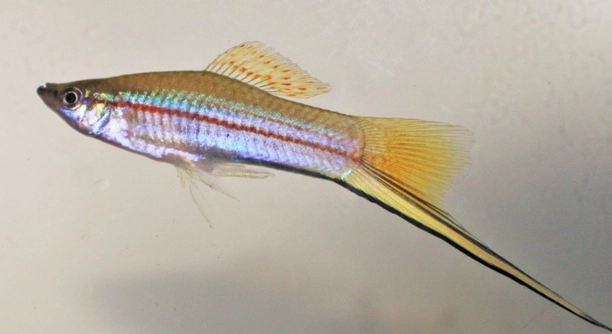
Swordtails are beautiful, vibrant fish that thrive in home aquariums. As an aquarium owner, you might wonder if sunlight could affect their health, especially when they spend a lot of time swimming in a well-lit tank.
Swordtails can experience stress from direct sunlight, which can lead to health issues such as overheating, algae growth, and compromised immune systems. Prolonged exposure can affect their behavior and overall well-being, so controlling light exposure is crucial.
Understanding how sunlight affects your swordtails will help ensure their tank remains a comfortable and healthy environment for them. This article covers the potential risks and how to protect your fish from sunlight stress.
How Sunlight Affects Swordtails
Sunlight plays a significant role in the health of any aquarium. While swordtails enjoy a well-lit environment, too much direct sunlight can cause problems. The intense light can raise the water temperature, making the tank too warm for your fish. Swordtails are tropical fish, but they thrive best in temperatures between 72°F and 78°F (22°C to 25°C). When the tank is exposed to sunlight for extended periods, the heat can cause the water to exceed these ideal conditions, leading to stress and even health problems.
Sometimes, tank owners notice their swordtails become lethargic or start hiding more often. This could be a sign that the water temperature is too high or that they are stressed by the light intensity. It’s important to balance natural light with artificial lighting to avoid these stressors.
Making sure your aquarium is not directly in the sun can help maintain stable water conditions. Consider placing your tank in an area where it gets indirect light. A stable, consistent environment is key to keeping your swordtails happy.
How to Protect Swordtails from Excessive Sunlight
Adjusting the lighting in your tank can help protect your swordtails from stress. Avoid placing your aquarium in a spot where it gets direct sunlight for long periods.
Shifting your tank to a shaded area or using light filters can help reduce exposure to harsh sunlight. Additionally, you might want to consider using a tank cover to maintain a consistent temperature and reduce light intensity. The less direct sunlight, the better it is for both the fish and the overall health of your tank.
Effects of Overexposure to Sunlight
Excessive sunlight can cause swordtails to experience stress, making them more vulnerable to illnesses. Prolonged exposure can also lead to algae overgrowth in the tank, which reduces oxygen levels. Algae can also clog filters and affect the clarity of the water. Maintaining a balanced light exposure helps prevent these issues.
If your tank is too close to a window or receives too much sunlight, the temperature might spike, causing your swordtails to become sluggish or less active. Fish need a stable environment to feel safe. Fluctuations in light and temperature can create a stressful atmosphere for your swordtails, which may impact their appetite and overall health.
Swordtails, like other fish, rely on stable conditions to thrive. When subjected to fluctuating light or heat levels, they can become stressed, leading to weakened immune systems. This makes them more susceptible to diseases like fin rot or ich. Keeping their environment stable and free from excessive sunlight is essential for their well-being.
How to Maintain Ideal Lighting Conditions
Proper lighting is essential for swordtails to feel comfortable and active in their tank. Avoid placing your aquarium in direct sunlight, especially during midday when the sun is strongest. Indirect light works best for these fish.
A simple way to regulate light exposure is by using a timer for the aquarium light. This ensures your swordtails get the right amount of light each day without overexposure. By controlling the timing and intensity of the light, you mimic natural conditions, helping to keep your swordtails healthy and stress-free. Additionally, adding live plants can naturally absorb excess light and help maintain a balanced ecosystem.
Signs of Sunlight Stress in Swordtails
If swordtails are stressed by sunlight, they might swim less or hide more often. They may also appear more lethargic or lose interest in food. These are signs that the tank conditions are not ideal for their health. Monitoring behavior closely helps identify potential stress early.
When swordtails are exposed to too much sunlight, they often exhibit changes in behavior. Their colors may fade, and they may become more anxious. You might also notice increased fin clamping or reduced social interaction. If any of these signs appear, it’s time to adjust the lighting or temperature in their tank to avoid further stress.
Maintaining Water Quality
Good water quality is essential for swordtails. If excessive sunlight causes algae growth, the water can become murky and oxygen levels will drop. Clean water promotes healthy fish, reduces stress, and supports their immune system. Regular water changes and filtration are crucial for maintaining water quality.
Temperature Management for Swordtails
Swordtails thrive in stable temperatures between 72°F and 78°F. To avoid stress from sunlight, try to maintain a steady temperature in the tank. You can use a thermometer to check the water temperature regularly and make adjustments if necessary. A heater may be useful during cooler months.
FAQ
What is sunlight stress in swordtails?
Sunlight stress in swordtails occurs when they are exposed to excessive light, which can lead to fluctuating temperatures in the tank. This stress can negatively affect their health by making them sluggish, less active, or causing behavioral changes. Sunlight can also promote algae growth, which depletes oxygen levels and harms the overall water quality. Swordtails need balanced light exposure, as too much can overwhelm them and compromise their immune systems.
How much sunlight is safe for swordtails?
Swordtails prefer indirect sunlight rather than direct exposure. A few hours of natural light during the day is fine, but it’s important to avoid long periods of direct sunlight. Ideally, your tank should not be placed in a window that gets strong, direct sunlight for long hours. Too much direct light can cause temperature spikes and encourage algae growth, both of which are harmful to swordtails.
Can swordtails live in tanks with direct sunlight?
While swordtails can survive in tanks with direct sunlight, it’s not ideal. Direct sunlight increases the temperature of the water, which can stress the fish and cause health issues. It also leads to algae overgrowth, affecting the water quality. If your tank is in direct sunlight, consider moving it to a more shaded area or use curtains or blinds to filter the light. This will help maintain a more consistent and healthy environment.
What are the signs of stress in swordtails?
Swordtails that are stressed due to sunlight exposure may show signs such as reduced activity, hiding more often, or a lack of interest in food. Their colors might become dull, and they may exhibit erratic swimming patterns. In some cases, they may even develop visible signs of illness, such as fin rot or skin lesions. It’s essential to monitor their behavior closely and adjust their environment if these symptoms appear.
How can I prevent sunlight stress in my swordtails?
To prevent sunlight stress, you should control the amount of light your swordtails are exposed to. Avoid placing the tank near windows where direct sunlight can heat the water. Use artificial aquarium lighting on a timer to ensure your fish get the right amount of light each day. Consider installing a tank cover to help regulate the temperature and prevent overexposure to light. Regularly check the water temperature to ensure it stays within the ideal range for swordtails.
Is artificial lighting enough for swordtails?
Yes, artificial lighting can provide all the light your swordtails need without the negative effects of sunlight. Use a light timer to simulate a natural day-night cycle, giving them around 10-12 hours of light each day. This keeps the environment stable, which is crucial for their health. Be sure to use a light that is appropriate for aquarium use to prevent overheating.
Do swordtails need a heater if the tank gets too cold?
If the temperature in the tank drops below the ideal range for swordtails (72°F to 78°F), a heater is recommended. Swordtails are tropical fish and need warm water to stay healthy. A heater ensures that the tank stays at a consistent, comfortable temperature, preventing stress caused by sudden temperature drops. Make sure to monitor the water temperature regularly to avoid overheating, especially if your tank is exposed to any natural light.
How do I know if my swordtails are too hot?
If your swordtails are exposed to too much light and the water gets too warm, they may start to act lethargic. You might notice that they swim less or spend more time near the cooler areas of the tank. Their appetite may decrease, and they may show signs of distress, such as rapid gill movement or erratic swimming. Checking the water temperature regularly with a thermometer can help you keep track of changes and adjust conditions as needed.
Can sunlight cause algae in my swordtail tank?
Yes, sunlight can cause algae overgrowth in your swordtail tank. Algae thrives when exposed to direct sunlight, leading to murky water and low oxygen levels. Algae can also clog filters, reducing the efficiency of the tank’s filtration system. To control algae growth, reduce direct sunlight exposure and keep your tank clean. Regular water changes and proper filtration can also help manage algae levels.
How often should I change the water in my swordtail tank?
Water changes should be done regularly to maintain a healthy environment for your swordtails. A 25-30% water change every week is typically recommended. If you notice algae growth or changes in the water quality due to excessive sunlight, you may need to change the water more frequently. Keeping the tank clean helps prevent the buildup of toxins and ensures that your swordtails have clean, healthy water to swim in.
Should I use a filter to improve water quality for swordtails?
Yes, a good filter is essential for maintaining water quality in your swordtail tank. A filter helps remove debris, excess food, and waste, ensuring that the water remains clean and oxygenated. With proper filtration, you can prevent the buildup of harmful substances that could cause stress or illness in your fish. Choose a filter appropriate for the size of your tank and the needs of your swordtails.
How do I monitor the temperature in my swordtail tank?
To monitor the temperature in your swordtail tank, use a reliable aquarium thermometer. Place it in an area of the tank where it can accurately reflect the overall water temperature. Checking the temperature regularly helps ensure that the water remains within the ideal range for swordtails (72°F to 78°F). If the temperature fluctuates too much, consider adjusting the lighting or adding a heater to stabilize conditions.
Final Thoughts
Sunlight can have both positive and negative effects on swordtails. While a bit of natural light is essential for creating a healthy environment, too much sunlight can cause stress and harm your fish. Excessive sunlight can lead to a rise in water temperature, making it uncomfortable for swordtails, and it can promote algae growth that affects water quality. For swordtails to thrive, it’s crucial to find a balance with light exposure. Direct sunlight should be avoided, especially for long periods, as it can create unstable conditions in the tank.
To ensure your swordtails are comfortable, keep their tank in a spot where they receive indirect light. Artificial lighting, on a timer, can be a better option for controlling their light exposure. This setup mimics a natural day-night cycle without the risks of overheating or algae buildup. It’s also essential to regularly check the water temperature, as swordtails are sensitive to temperature changes. If necessary, use a heater to maintain the ideal range, which is between 72°F and 78°F. Consistency is key to keeping your fish healthy and happy.
In addition to managing sunlight, maintaining good water quality is vital for swordtail care. Regular water changes, proper filtration, and monitoring for signs of stress will help keep the environment stable. With proper light control, temperature management, and clean water, your swordtails can live a long and healthy life in their tank. By understanding how sunlight affects them, you can create an ideal setting that reduces stress and supports their overall well-being. It’s all about finding the right balance and making adjustments when necessary.

Hello,
If you enjoy the content that we create, please consider saying a "Thank You!" by leaving a tip.
Every little bit helps us continue crafting quality advice that supports the health, happiness, and well-being of pets around the world, for pets of all shapes, sizes, and species.
We really appreciate the kindness and support that you show us!