
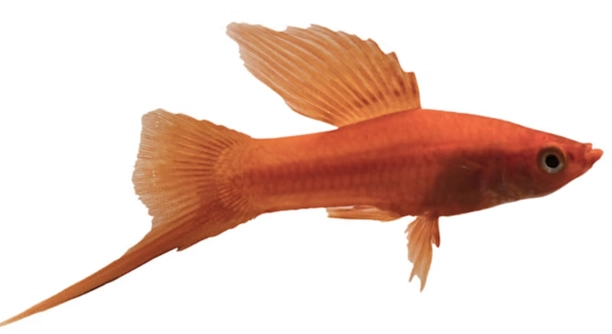
Do your swordtails seem stressed or unsettled after a water change, even when everything appears to be done correctly and safely?
Swordtails can experience shock from water swaps if there is a sudden change in temperature, pH, or water hardness. This physiological stress can impact their behavior and health, especially if the transition is abrupt or improperly managed.
Understanding how to make water swaps safer can help support your swordtail’s health and reduce unnecessary stress in their aquarium environment.
Why Swordtails React Badly to Water Swaps
Swordtails are sensitive to sudden changes in their environment, and water swaps can sometimes create unexpected shifts in water chemistry. A quick change in temperature, pH, or hardness may cause stress, leading to unusual swimming behavior, rapid gill movement, or even lethargy. These fish are generally hardy, but they still require consistency to thrive. Water that feels cooler to your hand might feel dramatically colder to a small fish, causing thermal shock. Even a slight difference in mineral content or pH can confuse their internal regulation systems. When this happens, swordtails may appear jittery or hide more than usual. Repeated stress can weaken their immune system over time, increasing the chance of illness. To keep your swordtails safe, it’s important to test the water before a swap and match key parameters as closely as possible.
A stable environment gives your fish a sense of safety and keeps them active and healthy in the long run.
Making small, gradual changes during water swaps helps swordtails adjust better. Always condition new water before adding it to their tank.
How to Make Water Swaps Safer
Never replace too much water at once. Smaller, more frequent swaps are easier for swordtails to handle without getting stressed.
To minimize the impact of water swaps, start by replacing no more than 25% of the tank water at a time. This allows the fish to gradually adjust while maintaining the biological balance of the aquarium. Always match the temperature of the new water as closely as possible using a reliable thermometer. Even a few degrees difference can cause problems. Use a water conditioner to remove chlorine and heavy metals, which are often found in tap water. Test pH and hardness beforehand to ensure they fall within your swordtail’s preferred range—usually a pH between 7.0 and 8.4 and moderately hard water. If there’s a difference, try blending in treated water ahead of time to reduce the contrast. Pour new water in slowly, avoiding splashing that might startle your fish. These steps help prevent stress and keep your swordtails calm, especially if you stick to a regular schedule.
Signs Your Swordtail Is in Shock
When a swordtail is in shock, you might notice unusual swimming patterns, rapid gill movement, or them staying near the bottom of the tank. These signs often show up shortly after a water swap that was too sudden.
A swordtail experiencing stress might also lose its appetite and isolate itself from the rest of the group. You could see clamped fins, which means the fins are held close to the body rather than spread out. These signs may not always appear together, but even one or two could indicate something is wrong. If the water change was recent, it’s likely tied to that. Catching these symptoms early helps you act fast and improve the conditions before your fish becomes more vulnerable. Consistency is key, and even simple fixes like stabilizing the water temperature or buffering the pH can lead to noticeable improvements in your swordtail’s behavior.
If the stress continues, your swordtail may develop secondary health issues. Long-term stress weakens their immune response, leaving them more open to infections. Fin rot, ich, and bacterial issues become more common. A fish in shock is more vulnerable to even minor tank issues. Monitoring behavior after a water change is one of the best ways to catch problems early. Give them time to recover, and consider adding stress coat additives if symptoms persist. Make sure your filtration system is working smoothly, as clean and stable water helps support recovery. A calm environment and stable water conditions can help your swordtail return to normal. Stay consistent with your maintenance to reduce further stress.
When Water Swaps Become Risky
Water swaps become risky when done too quickly or with large volumes. Changing more than 30% at once, or adding water with different temperature or chemistry, can lead to immediate stress and shock in swordtails.
Using untreated tap water or skipping basic checks like pH or hardness testing can cause more harm than good. Swordtails need stable water conditions, and ignoring small changes can lead to bigger problems later.
What to Do If Your Swordtail Shows Signs of Shock
If your swordtail shows signs of shock, start by testing your tank water for temperature, ammonia, nitrite, pH, and hardness. Make any corrections slowly to avoid causing more stress. Dim the lights to help calm the fish and reduce activity in the room. Avoid feeding for a day if they’re not interested in food, as uneaten food can lower water quality. You can add a stress coat water conditioner to support healing. Keep the tank clean and oxygenated, and avoid handling the fish during this time. Most swordtails bounce back with proper care and a quiet environment.
Why Routine Matters Most
A routine helps swordtails feel safe. Regular, small water swaps reduce the chance of shock and keep tank conditions stable. Consistency supports their long-term health and lowers the chance of stress-related illness.
FAQ
Can swordtails tolerate sudden changes in water temperature?
Swordtails are not very tolerant of sudden temperature changes. They are best suited to stable environments where the temperature is gradually adjusted. A rapid temperature change of more than a few degrees can cause them stress, leading to shock or even death. Always ensure that the new water you add is within a few degrees of the existing tank water. Using a heater to gradually warm or cool the water is the safest method for making adjustments.
How often should I change the water in my swordtail tank?
The frequency of water changes depends on tank size, the number of fish, and the filtration system. Generally, a 25% water change every 1-2 weeks is recommended. However, tanks with more fish or smaller tanks may require more frequent water changes. Always test water parameters before changing the water to ensure conditions are optimal. Regular water changes help maintain water quality, but be cautious about changing too much at once.
What is the best way to prepare new water for a swordtail tank?
Before adding new water, it’s important to treat it to remove chlorine and heavy metals. Use a water conditioner to make sure the water is safe for your fish. Test the pH, hardness, and temperature of the new water to ensure they match the existing tank water. Gradually add new water, avoiding large, sudden changes. This method helps your swordtail adjust without stress.
Can swordtails get stressed from water changes?
Yes, swordtails can get stressed from water changes, especially if the changes are too drastic. Sudden shifts in temperature, pH, or hardness can cause stress and shock, leading to behaviors like hiding, lethargy, or loss of appetite. To prevent this, make changes slowly, gradually adjusting the water’s parameters over time.
How can I tell if my swordtail is stressed after a water change?
Stressed swordtails may exhibit several signs, such as rapid swimming, hiding, or staying near the tank’s bottom. They may also breathe faster, have clamped fins, or show a lack of interest in food. In extreme cases, they may develop white spots or other physical symptoms. If you notice these signs, check the water parameters and make sure there are no sudden changes that could be causing stress.
Is it necessary to acclimate swordtails when introducing them to a new tank?
Yes, acclimating swordtails to a new tank is necessary. Rapid shifts in water chemistry can cause shock, so it’s important to slowly adjust them to the new environment. Use the drip acclimation method, where you slowly add small amounts of new water to the transport bag over the course of an hour or more. This allows them to adjust without stressing their systems.
Should I use a filter for my swordtail tank?
Yes, a filter is essential for maintaining water quality in a swordtail tank. Filters remove excess waste, debris, and toxins like ammonia and nitrites, which can build up and harm your fish. Regularly clean your filter to ensure it runs efficiently. A good filtration system helps keep your swordtails healthy by maintaining stable water conditions.
How can I reduce the stress on my swordtails during water swaps?
To reduce stress during water swaps, make gradual changes. Adjust the water temperature slowly, and make sure the new water matches the pH and hardness of the tank water. Avoid adding too much water at once. Dim the lights and keep noise levels low to help your swordtails feel safe. Keep a regular water change schedule so your swordtails can adjust to the conditions without stress.
What can I do to help my swordtail recover from shock?
If your swordtail is showing signs of shock, first test the water parameters and adjust any imbalances. Add a stress coat conditioner to help protect their skin and fins. Ensure the water temperature is stable, and avoid feeding them for a day or two if they aren’t interested in food. Reduce stress by dimming lights and minimizing noise. If symptoms persist, consider seeking advice from an aquarium professional or veterinarian.
How do I avoid overfeeding my swordtails during water changes?
Overfeeding can lead to poor water quality and increased stress. Avoid feeding swordtails during or immediately after a water change if they aren’t actively eating. Only feed small amounts of food, and remove any uneaten food after a few hours to prevent waste from decomposing in the tank. Regularly monitor water parameters to ensure you’re not overfeeding, which can contribute to stress and water quality issues.
Are swordtails affected by other tankmates during water swaps?
Yes, swordtails can be affected by other tankmates during water swaps, especially if those tankmates are more aggressive or territorial. During a water change, swordtails may feel more vulnerable, and stress can be amplified if they have aggressive tankmates. Ensure all fish are well-adjusted and not overly stressed before performing a water change.
Final Thoughts
Maintaining a healthy environment for your swordtails is crucial to their well-being. Regular water changes are necessary to keep the water clean, but it’s important to approach them carefully. Sudden changes in water parameters, like temperature or pH, can cause stress and lead to health problems for your fish. By making gradual adjustments and being mindful of the water conditions, you help your swordtails avoid shock. This ensures they stay healthy and active, providing a better overall experience for both the fish and their caretaker.
It’s also vital to monitor your swordtails closely after a water change. Watch for any signs of stress or unusual behavior, such as rapid swimming, loss of appetite, or clamped fins. These can be indications that the water change was too abrupt or that other environmental factors are off. Early detection of these issues can help you make corrections before they turn into more serious problems. Keeping an eye on your fish and reacting quickly to any changes is an essential part of responsible fishkeeping.
Lastly, consistency is key when caring for swordtails. Establishing a regular schedule for water changes, testing the water parameters, and providing a stable environment will reduce the chances of stress. Swordtails thrive in steady conditions, so taking the time to ensure their habitat is stable is one of the best ways to keep them happy and healthy. With proper care and attention to their needs, swordtails can live long, fulfilling lives in your aquarium.

Hello,
If you enjoy the content that we create, please consider saying a "Thank You!" by leaving a tip.
Every little bit helps us continue crafting quality advice that supports the health, happiness, and well-being of pets around the world, for pets of all shapes, sizes, and species.
We really appreciate the kindness and support that you show us!