
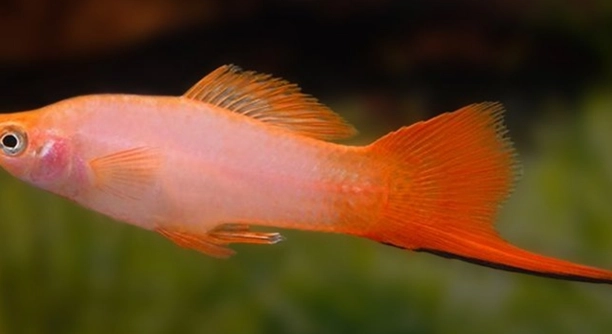
Swordtails are social fish and can sometimes experience loneliness when kept alone. Their well-being often depends on having companions, as they thrive in the presence of other fish, especially within a group or pair.
Swordtails are known to prefer the company of other fish. They may become stressed or exhibit unusual behavior when kept without a mate, as they are naturally social creatures. Keeping them in groups helps reduce the risk of loneliness.
There are several ways to ensure your swordtail remains healthy and happy. Understanding their social nature will help you provide a suitable environment for them.
Why Swordtails Need Company
Swordtails are naturally social fish, and they tend to thrive in the company of other fish. They are known to be peaceful and prefer the presence of tank mates. When kept alone, they may exhibit signs of stress, such as hiding or becoming more aggressive. Swordtails rely on social interactions for emotional stability, and being isolated can make them feel insecure.
Providing a group of swordtails or at least one mate is essential for their well-being. These fish interact with each other through various behaviors, like swimming together and showing off their colors. A lack of socialization can lead to mental and physical stress.
A tank with multiple swordtails also allows them to establish social hierarchies, where they can interact in a more natural environment. This reduces the likelihood of loneliness and enhances their overall health. If you’re considering keeping swordtails, it’s important to ensure they are not alone in their habitat.
How to Provide the Right Environment
Swordtails prefer having space to swim freely and interact with each other. The right tank setup can help reduce feelings of loneliness. Keep the water quality high and avoid overcrowding.
Maintaining a balanced ecosystem is crucial. A properly filtered tank and consistent water temperature will keep your swordtails comfortable and stress-free. Ensure there are plenty of hiding spots, plants, and open swimming areas. This helps mimic their natural environment and provides them with the stimulation they need. When keeping multiple swordtails, ensure that your tank is large enough to accommodate the group comfortably.
Signs Your Swordtail May Be Lonely
If your swordtail is swimming aimlessly or hiding more than usual, it could be a sign of loneliness. They may also lose interest in food or show less vibrant colors. These behaviors indicate stress, often caused by lack of interaction.
Swordtails typically thrive in groups, and without companions, they may become anxious. When they’re not swimming with others, their energy levels and overall health can decline. They might also become more territorial or exhibit unusual aggression. Paying attention to these signs will help you assess whether they are feeling isolated.
Monitoring your swordtail’s behavior is essential for their well-being. If they are acting out of character, adding another swordtail or a different peaceful species may provide the company they need. Ensuring they have a mate or a group to interact with can greatly improve their mood and health.
Best Tankmates for Swordtails
When choosing tankmates for swordtails, opt for peaceful species. Avoid overly aggressive fish, as they can add to the stress. Suitable companions include guppies, mollies, and platies, which share similar water conditions and temperament.
It’s important to choose tankmates that match the swordtail’s activity level and size. Fish that swim at different depths can help reduce any territorial behavior. Make sure each species in the tank can coexist peacefully without competing for space or resources. Regularly observe interactions to ensure there’s no aggression.
By maintaining a balanced and peaceful environment, you help your swordtail live a more relaxed and happy life. Keep in mind that overstocking the tank can lead to stress, so always check that your tank size suits the number of fish you have.
How Many Swordtails Should You Keep?
To prevent loneliness, it’s recommended to keep swordtails in groups. A pair is fine, but a group of at least three or more is ideal. This allows them to interact and reduce the stress of being alone.
A small group will give your swordtails more opportunities for socializing. They’ll swim together, show off their colors, and engage in natural behaviors. Swordtails are more likely to be happy and healthy in a group setting. However, the tank size is also important. Ensure that it’s large enough to accommodate multiple fish without overcrowding.
Tank Size for Multiple Swordtails
Swordtails require enough space to swim freely and establish their territory. For a group of swordtails, a 20-gallon tank is the minimum size recommended. This ensures there’s enough space for the fish to interact without feeling cramped.
The tank should also be equipped with proper filtration to keep the water clean. Adding plants and decorations will provide hiding spots and additional swimming space. Regular maintenance and water changes are essential to keep the environment healthy and stress-free for your swordtails. The larger the tank, the better for their social needs.
Swordtail Behavior Changes in Groups
In groups, swordtails are likely to exhibit more natural behaviors. They become less territorial and interact more with their companions. This helps reduce any signs of loneliness, like hiding or swimming aimlessly.
Swordtails also tend to display brighter colors and more active behavior when kept in a group. The social interactions they have with others help keep them mentally and physically stimulated. These changes can improve their overall health and happiness. Regular socialization within the group prevents them from feeling isolated and stressed, contributing to a more balanced life.
FAQ
Can swordtails live alone?
Swordtails can live alone, but they are social creatures, and keeping them alone may cause stress or behavioral changes. It’s ideal to have at least one mate or a group to prevent loneliness. A solitary swordtail might become more withdrawn or exhibit aggression due to isolation. Socializing them with other peaceful fish can improve their well-being.
How many swordtails can be kept in a tank?
The number of swordtails you can keep depends on the size of the tank. A minimum of one swordtail pair can be kept in a 10-gallon tank, but for a group of three or more, a 20-gallon tank is better. Overstocking the tank can lead to stress, poor water quality, and aggression. Always ensure your tank is large enough to comfortably accommodate the number of fish you intend to keep.
What size tank is best for swordtails?
A 20-gallon tank is recommended for a small group of swordtails. This size gives them enough space to swim freely and interact with each other. The tank should have proper filtration and heating, as swordtails prefer slightly warmer water. Make sure the tank is also equipped with plants or decorations for hiding spots and space to explore. A larger tank will accommodate more fish without overcrowding.
Do swordtails need a heater?
Swordtails prefer water temperatures between 72-79°F (22-26°C). A heater is necessary to maintain the water at a stable temperature, especially if you live in a cooler climate. Keeping the water temperature within the ideal range ensures that swordtails remain healthy and active. A reliable aquarium heater is an essential part of maintaining a suitable environment.
Can swordtails live with other fish?
Swordtails are peaceful and generally do well with other non-aggressive fish. They can live with species like guppies, mollies, and platies. Avoid pairing them with overly aggressive or larger fish that may harm them or cause stress. Swordtails are best kept with fish that swim at similar levels and share similar water preferences.
Do swordtails need a specific water type?
Swordtails prefer slightly alkaline water with a pH of 7.0-8.2. They also thrive in soft to moderately hard water. Regular water changes and good filtration are important to maintain water quality. Keeping water parameters stable helps prevent stress and promotes good health. Ensure you test your water regularly to meet their needs.
What do swordtails eat?
Swordtails are omnivores, and their diet should include a mix of high-quality flakes, pellets, and live or frozen foods. Offer a variety of foods, such as brine shrimp, daphnia, and vegetables like spinach or zucchini. Feeding them a balanced diet ensures they stay healthy and vibrant. Avoid overfeeding, as it can lead to poor water quality.
Do swordtails need a mate to breed?
Yes, swordtails need a mate to breed. A male and female swordtail will mate naturally if conditions are suitable. The female will give birth to live fry, which should be kept in a separate breeding tank or protected with hiding spots to prevent adult swordtails from eating them. Breeding swordtails can be a rewarding experience if you’re prepared to care for the newborns.
How do you know if a swordtail is pregnant?
A pregnant female swordtail will develop a noticeable gravid spot near her abdomen, which darkens as she gets closer to giving birth. Her belly will also appear rounder and swollen. Pregnancy in swordtails lasts about 4-6 weeks, and you should expect the female to give birth to several fry. Providing plenty of hiding spaces in the tank will help protect the newborns.
How long do swordtails live?
Swordtails typically live for about 3-5 years in a well-maintained tank. Proper care, including a balanced diet, good water quality, and a stress-free environment, can help them reach the upper end of their lifespan. Regular health check-ups and keeping an eye on any signs of disease will also contribute to their longevity.
Can swordtails jump out of the tank?
Swordtails are not known to be particularly jumpy, but they can jump if startled or if the water level is too high. It’s important to have a lid or cover on the tank to prevent them from jumping out. This is especially true in smaller tanks or when swordtails are frightened.
How can you tell if a swordtail is stressed?
Stressed swordtails may display behaviors such as hiding more often, swimming erratically, or not eating. Their colors may also become dull, and they may appear lethargic. Stress can be caused by poor water conditions, a lack of tank mates, or aggression from other fish. Identifying stress early and addressing its causes can help prevent health problems.
Do swordtails need lighting?
Swordtails do well with moderate lighting in the tank. While they don’t require intense lighting, having a light source is necessary for the growth of plants and the overall health of the tank. Avoid excessive lighting, as it can lead to algae growth and stress the fish. A simple light cycle of 8-10 hours a day is sufficient.
Final Thoughts
Swordtails are social fish that thrive in a group or with a mate. They can live alone, but keeping them isolated may lead to stress and behavioral changes. If you notice your swordtail becoming withdrawn or showing signs of aggression, it could be a sign that they need company. While a pair can survive, a small group will likely make them feel more comfortable and happier. The addition of peaceful tankmates can further reduce the risk of loneliness and help keep your swordtail active and healthy.
Choosing the right tank size and environment is essential for swordtails to feel secure. A 20-gallon tank is ideal for a small group, providing enough space to swim and interact without overcrowding. Proper filtration and water temperature are also crucial for maintaining a healthy environment. Swordtails prefer slightly warmer water, and regular maintenance ensures the water stays clean. You can add plants and decorations to give them hiding spots and create a more natural environment. A suitable tank setup will allow your swordtail to live a more stress-free and active life.
Lastly, swordtails are relatively easy to care for, but like any pet, they require attention to their social and physical needs. Providing a balanced diet, clean water, and suitable tankmates will keep them happy and healthy. Regular observation of their behavior helps you catch any issues early. When they are well taken care of, swordtails can live for several years and continue to bring color and movement to your aquarium. Ensuring they have the company they need is the best way to support their well-being and longevity.

Hello,
If you enjoy the content that we create, please consider saying a "Thank You!" by leaving a tip.
Every little bit helps us continue crafting quality advice that supports the health, happiness, and well-being of pets around the world, for pets of all shapes, sizes, and species.
We really appreciate the kindness and support that you show us!