
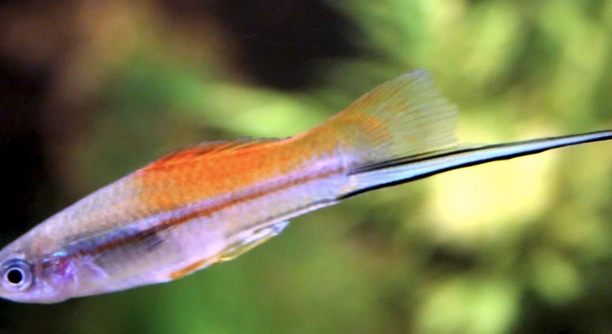
Swordtails are a popular choice for aquariums due to their vibrant colors and active nature. As you observe these fish, you might wonder if breeding could cause them any harm. Let’s take a look at this concern.
Swordtails, like many fish, may experience stress or injury during the breeding process. However, injuries are rare, and proper tank conditions and care can minimize risks, ensuring a smoother breeding experience for both male and female fish.
Understanding how to properly care for swordtails during breeding can help reduce the chances of injury. We’ll explore what factors play a role and how to keep your fish safe and healthy throughout the process.
Swordtail Breeding Basics
Swordtail fish breed easily in a well-maintained tank, and they don’t need much attention to begin the process. The male will chase the female, displaying his sword-like tail to attract her. Breeding typically happens in groups, where several males may pursue a single female. The male uses a modified fin called a gonopodium to transfer sperm to the female. Once fertilized, the female will carry the eggs for around three weeks before giving birth to live young.
It’s important to maintain the right conditions to ensure breeding success. Water temperature should be warm but not too hot, ideally between 75°F and 80°F. Fresh, clean water with a neutral pH will also create the best environment. These factors help promote a smooth breeding process.
While swordtail fish usually breed without issues, there are a few things that can affect their health. Too much stress, aggressive behavior, or poor water quality can cause harm. It’s essential to watch their behavior and ensure they have enough space to avoid injuries. For a peaceful environment, consider adding plants or decorations where the female can hide if she feels overwhelmed.
Risk Factors for Injury During Breeding
The main risk of injury during breeding is the aggressive behavior of the males. If males are too persistent, they might stress out the female, causing her to become injured from constant chasing. Stress can also weaken her immune system, leaving her vulnerable to disease.
Swordtails are naturally active fish, but they can also be territorial, especially during mating. To avoid excessive aggression, it’s a good idea to keep a balanced ratio of males and females in the tank. Having more females than males can reduce competition between the males and help maintain a calmer atmosphere. By observing their interactions and ensuring there is plenty of space, you can create a less stressful environment for all fish.
Handling Aggression Between Swordtails
Male swordtails can sometimes be overly aggressive during the breeding process. They may chase the female relentlessly, which can lead to physical stress or even injury. It’s important to monitor the males closely to make sure the female isn’t being harmed.
To minimize aggression, provide plenty of space and hiding spots in the tank. Adding plants or decorations can give the female a place to retreat if the male becomes too persistent. Having enough space in the tank also allows males to focus less on chasing and more on their own territory. This can help prevent injury.
In some cases, it may help to separate overly aggressive males from the breeding tank. If you notice one male is causing excessive stress, moving him temporarily can allow the female to breed in peace. Careful observation and adjustments can go a long way in maintaining a healthy environment during breeding.
Providing a Stress-Free Environment
Creating a stress-free environment is key to preventing injuries during swordtail breeding. A tank with the right temperature, pH, and clean water helps keep swordtails healthy and comfortable. Stress can weaken their immune systems, making them more vulnerable to injury or illness.
Adding plants, rocks, and hiding spots can also reduce stress by giving swordtails space to swim and rest. Female swordtails, in particular, may feel overwhelmed by constant male attention. Providing places for her to hide can allow her to escape without being chased. Additionally, a well-maintained tank with proper filtration will ensure the water stays clean and oxygenated, which supports the overall health of the fish.
Keeping the tank conditions optimal for breeding helps reduce the chances of injury or stress. By focusing on water quality, temperature, and space, you ensure that the swordtails can breed naturally without excessive harm.
Monitoring Swordtail Health During Breeding
Keep an eye on your swordtails’ health during breeding. Stress and aggression can lead to physical injuries, so it’s essential to watch their behavior closely. Any sign of injury or stress should be addressed immediately to avoid more serious problems later.
Pay attention to changes in the fish’s activity levels and appearance. If a female is being chased too much, she might show signs of injury or exhaustion. The males may also display signs of aggression, such as nipping or chasing non-stop. If you see any of these signs, consider separating the fish temporarily to avoid further harm.
Caring for Fry After Birth
Once the female swordtail gives birth, the fry will need special care to ensure their survival. They are tiny and vulnerable, so it’s crucial to provide a safe space for them to grow. A separate breeding tank is often ideal.
The fry should be kept in a tank with gentle filtration and soft plants to provide hiding spots. Make sure to feed them properly once they start swimming, offering appropriate baby fish food. Keeping the water clean and the tank conditions optimal is essential to avoid stressing the fry and promoting healthy growth.
FAQ
Can swordtails get injured during breeding?
Yes, swordtails can get injured during breeding, although it is not very common. The most likely causes of injury are excessive aggression from males and stress from constant chasing. If males are too persistent, they may harm the female or cause her to become exhausted. Keeping a proper ratio of males to females and providing hiding spots for the female can help reduce these risks.
How can I reduce the risk of injury during swordtail breeding?
To reduce the risk of injury, make sure your tank has enough space for the swordtails to move freely. Adding plants and decorations can give the female a safe place to hide if she feels overwhelmed. It’s also helpful to monitor the behavior of the males and ensure they aren’t too aggressive. If you notice one male causing too much stress, consider separating him temporarily.
What are the signs of injury in swordtails?
Injured swordtails may show signs such as torn fins, missing scales, or sluggish movements. If the fish are constantly hiding or swimming in circles, it could be a sign of stress or injury. Keep an eye on their behavior and appearance, and if you notice any unusual signs, it’s a good idea to separate the injured fish and give them time to heal.
Do swordtails fight during breeding?
Swordtails can become aggressive during breeding, especially the males. They may compete for the attention of a female, leading to chasing and even physical fights. However, this aggression is usually part of their natural mating behavior. By ensuring there are enough females for the males and providing hiding places, you can help reduce the intensity of these interactions.
How can I tell if my swordtail is stressed?
Stressed swordtails may exhibit behaviors such as hiding, swimming erratically, or staying near the surface of the water. They might also stop eating or become less active. Stress can be caused by factors like overcrowding, poor water quality, or aggressive tank mates. If you notice these signs, check the tank conditions and remove any stressors.
What water conditions are best for swordtail breeding?
Swordtails thrive in clean, slightly acidic to neutral water. The ideal water temperature for breeding is between 75°F and 80°F. Regular water changes and good filtration are crucial to maintain water quality. Swordtails also prefer a tank with a pH level between 7.0 and 8.0. Keeping the water conditions stable will encourage successful breeding and reduce stress.
Should I separate male and female swordtails during breeding?
It’s not necessary to separate the males and females for breeding. However, if aggression becomes an issue, it can help to provide some separation or add more hiding places. Female swordtails should have plenty of space to escape if the males are too persistent. In a large enough tank with adequate hiding spots, they should be able to breed naturally.
How often do swordtails breed?
Swordtails are prolific breeders and can breed every 4-6 weeks. Females may give birth to live young, often around 30-50 fry per litter. After giving birth, a female swordtail can be ready to breed again shortly, which is why it’s important to manage the tank environment and ensure that the female is not overly stressed.
How can I care for swordtail fry after birth?
After birth, swordtail fry need special care. They are small and vulnerable, so it’s important to provide a safe space where they can hide from adult fish. A separate breeding tank with gentle filtration and soft plants works best. You can feed them specially designed fry food until they are big enough to join the adult tank.
Do swordtails eat their babies?
Swordtails may eat their fry if given the opportunity. This is why it’s important to separate the fry from adult swordtails after birth. Providing hiding spots and a separate tank for the young can help protect them. Keeping the fry in a safe environment until they grow large enough to avoid being eaten is essential for their survival.
Final Thoughts
Breeding swordtails can be a rewarding experience, but it’s important to understand the potential risks involved. While injuries during breeding are rare, aggression from males and stress on females can lead to harm. By carefully observing the behavior of your fish and maintaining a balanced environment, you can reduce these risks and ensure a healthier breeding process. A little preparation goes a long way in making sure both the males and females stay safe and happy during reproduction.
Creating a stress-free environment is essential for swordtail breeding. Ensuring the tank has enough space, proper filtration, and plenty of hiding spots for the female will help her feel secure. Swordtails are naturally active and thrive in environments where they feel comfortable. Monitoring water temperature and quality will also make a significant difference in the overall health of your fish. It’s not just about the breeding itself; providing a good environment for swordtails year-round will improve their well-being and encourage successful reproduction.
If you’re new to breeding swordtails, it’s important to be patient and observant. Keeping a close eye on the interactions between your fish will help you notice any signs of stress or aggression early on. If you’re unsure of something, don’t hesitate to make adjustments, such as rearranging the tank or separating overly aggressive males. With time and experience, you’ll find a balance that works for your tank, and breeding swordtails will become a smoother and more enjoyable process.

Hello,
If you enjoy the content that we create, please consider saying a "Thank You!" by leaving a tip.
Every little bit helps us continue crafting quality advice that supports the health, happiness, and well-being of pets around the world, for pets of all shapes, sizes, and species.
We really appreciate the kindness and support that you show us!