
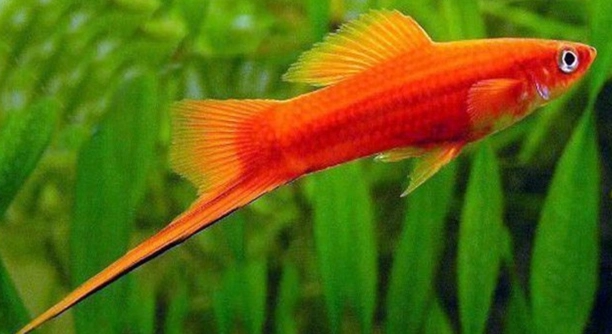
Swordtails are popular aquarium fish that can sometimes face health issues, including weight gain. It’s important for fish owners to be aware of changes in their pets’ bodies to ensure their well-being.
Swordtails can indeed gain weight, just like any other fish. However, excessive weight gain can lead to health problems. If a swordtail becomes too fat, it can suffer from a range of issues, such as swim bladder problems or difficulty moving.
Being able to recognize the signs of an overweight swordtail can help you take action early. Knowing what to look for can make a difference in maintaining your fish’s health.
What Causes Swordtails to Gain Weight?
Swordtails, like any other fish, can gain weight due to various factors. One common reason is overfeeding. Swordtails are easy to overfeed since they tend to eat whatever is offered to them, and they don’t always stop when they’re full. Another factor is poor water quality, which can lead to stress. When stressed, swordtails may not be as active, which can lead to weight gain. Genetics also play a role; some fish may be more predisposed to becoming overweight than others. Lastly, a lack of exercise can contribute to weight gain. If your swordtail doesn’t swim much, it can pack on extra weight.
Overfeeding and a lack of activity are two main contributors. Fish don’t need to eat as much as many people think. Offering the right amount of food and making sure your swordtail has enough space to move around are essential to prevent weight gain.
Maintaining a healthy aquarium environment is essential. Regular water changes, filtration, and providing your swordtail with a balanced diet can help prevent excess weight. Ensure that they have enough room to swim freely. Reducing stress is also key, as a calm environment promotes activity and healthy metabolism. Regular monitoring of both water quality and the swordtail’s physical condition can prevent health issues before they become serious.
How to Tell If Your Swordtail Is Overweight
It’s not always easy to spot an overweight swordtail, especially since they can carry weight in different areas. One way to tell if your swordtail is overweight is to look for a bloated or rounded appearance, especially around the belly. Overweight swordtails often have difficulty swimming, and they may be less active compared to healthy individuals. They might also appear to have trouble balancing themselves in the water or have trouble staying upright.
Check for physical signs like a bulging belly or a drop in activity. If these changes are present, it could indicate that your swordtail has gained weight.
If you notice these signs, it’s important to address the issue right away. Limit the amount of food you give, and try to increase their activity by adding plants or decorations to encourage swimming. It’s also a good idea to test the water quality regularly. If the water isn’t clean, it can affect your swordtail’s energy levels and overall health.
How to Prevent Swordtail Weight Gain
Overfeeding is one of the main causes of weight gain in swordtails. To prevent this, feed your fish only what they can consume within a few minutes. Avoid leaving excess food in the tank, as it can cause water quality issues and encourage overeating.
Feed your swordtails two to three times a day in small portions. Offer a variety of foods, including pellets, flakes, and occasional live or frozen foods. Remember, it’s better to underfeed slightly than overfeed. Excess food not only leads to weight gain but also harms the water quality, which can stress your fish and lead to health issues. Always remove any uneaten food promptly to avoid waste buildup.
In addition to controlling food intake, ensure your swordtail’s tank has enough space for swimming. A cramped tank can lead to inactivity, contributing to weight gain. Keep water conditions optimal, with regular water changes and proper filtration. You can also add decorations or plants to encourage movement. Regular observation of your swordtail will help you identify any early signs of weight gain and address them before they become serious.
The Role of Exercise in Maintaining a Healthy Swordtail
Exercise is crucial to maintaining a healthy weight for your swordtail. Active fish are less likely to gain excess weight and are generally healthier. To promote exercise, provide a spacious tank with plenty of swimming space. Swordtails love to move around, and the more space they have, the more active they will be.
Adding plants, rocks, or other decorations can encourage swordtails to swim and explore. These additions give them places to hide and increase their movement within the tank. If you’re concerned about your swordtail’s activity level, you can also try using a small aquarium fan to create gentle water currents that will encourage them to swim more. Always monitor your fish’s response to these changes, ensuring they are happy and active.
Common Health Issues from Overweight Swordtails
Overweight swordtails are more likely to develop health issues like swim bladder problems, which affect their ability to float properly. They may also experience difficulty moving or balancing. These issues can lead to stress and lower their overall lifespan.
Swim bladder problems in particular are common in overweight fish. A compromised swim bladder makes it hard for them to stay upright in the water. This leads to difficulty swimming, sometimes causing the fish to float upside down or struggle to stay at the bottom of the tank.
If you notice your swordtail having trouble swimming, it’s best to reduce food intake and improve their tank environment. Poor water quality or overcrowding can also worsen these issues. Regularly check water conditions and ensure your swordtail has space to move freely.
How to Adjust Your Swordtail’s Diet
If you’ve noticed your swordtail gaining weight, adjusting their diet is essential. Start by reducing the amount of food you provide. Swordtails are often overfed, so it’s important to only feed them what they can eat in a few minutes.
Offering a balanced diet, with plenty of high-quality pellets or flakes, will help keep them healthy. You can also add occasional live or frozen foods like brine shrimp, which are low in fat but high in protein. This helps promote healthy growth without excess weight gain.
FAQ
Can swordtails lose weight?
Yes, swordtails can lose weight, but it requires a proper diet and a healthy environment. Reducing food intake and ensuring they get enough exercise are key factors. You can also try feeding them less fatty food and more protein-rich options, like brine shrimp. Regular water changes and maintaining a clean tank also help by reducing stress and encouraging activity.
What’s the ideal tank size for swordtails?
Swordtails need space to swim and thrive. A minimum of 20 gallons is recommended for a small group of swordtails. A larger tank gives them more room to move around, which helps prevent weight gain. Overcrowding can lead to stress and reduced activity, which can contribute to weight problems.
How can I tell if my swordtail is pregnant or overweight?
Pregnant swordtails often have a swollen belly, but so can overweight ones. The key difference is the shape. A pregnant swordtail’s belly is usually more rounded, while an overweight swordtail might have an overall bloated look. Additionally, a pregnant swordtail might show dark coloration near the gravid spot, where the babies are developing. If the belly appears unusually large and the swordtail has trouble swimming, it could indicate overweight rather than pregnancy.
What can I do if my swordtail has swim bladder issues?
If your swordtail is having trouble swimming due to swim bladder problems, first check the water quality. Poor water conditions can exacerbate the issue. Then, reduce their food intake and make sure they are not overeating. You can also try fasting your swordtail for 24-48 hours to give their digestive system a break. If the problem persists, consider consulting an aquarium vet.
Are there any specific foods swordtails should avoid?
Swordtails should avoid overly fatty foods. High-fat diets, such as those rich in certain live foods like bloodworms, can contribute to obesity. Stick to a well-balanced diet with high-quality fish pellets or flakes. Supplementing with occasional vegetables, like blanched spinach or zucchini, can also provide important nutrients without adding too many calories.
Can I feed my swordtail the same food every day?
Feeding your swordtail the same food every day can lead to nutritional imbalances, so it’s best to vary their diet. A combination of pellets, flakes, and occasional live or frozen foods will provide a balanced diet. You can also offer occasional plant matter, such as spinach or algae wafers, for added nutrients.
How do I know if my swordtail is stressed?
Stress in swordtails can manifest in different ways, such as reduced activity, changes in coloration, or loss of appetite. If your swordtail appears lethargic, hides frequently, or stops eating, these could be signs of stress. Poor water quality, overcrowding, or incompatible tank mates are common stress factors. Address these issues to help reduce stress and promote healthier, more active fish.
Is it normal for swordtails to eat a lot?
Swordtails are opportunistic feeders, which means they will eat as much food as they can get. However, feeding them too much can lead to weight gain and water quality issues. It’s important to monitor how much you feed them and remove any uneaten food after a few minutes. Overfeeding is a common mistake that leads to unhealthy fish.
What is the best way to feed swordtails?
Feed your swordtails two to three small meals a day, giving them only as much food as they can consume in a few minutes. This will prevent overfeeding while ensuring they get enough nutrition. Offering a mix of food types, such as high-quality pellets, flakes, and occasional live or frozen food, will help keep them healthy and active.
Can swordtails live with other fish?
Yes, swordtails are generally peaceful and can live with other non-aggressive fish. However, it’s important to avoid overcrowding and ensure that all tank mates are compatible. Aggressive fish or those that occupy the same space as the swordtail can cause stress, reducing activity levels and potentially leading to weight gain.
How often should I change the water in my swordtail tank?
It’s recommended to change about 25-30% of the water in your swordtail tank every 1-2 weeks. Regular water changes help maintain clean, healthy water conditions and prevent stress. If the tank is overcrowded or if you notice poor water quality, you may need to increase the frequency of water changes.
Can swordtails eat plants?
Swordtails may nibble on plants, especially soft-leafed varieties, but they are generally not plant-eaters. You can add plants to their tank for decoration and to help create a natural environment. However, if plants are being consumed quickly, it may be a sign that the swordtail is lacking other food sources or nutrients.
Is it necessary to use a filter in my swordtail tank?
Yes, a filter is essential for maintaining good water quality in a swordtail tank. Swordtails are sensitive to poor water conditions, and a filter helps keep the water clean by removing waste and toxins. It also promotes water circulation, which encourages your fish to swim more and stay active.
Do swordtails need a heater in their tank?
Swordtails prefer warmer water temperatures, typically between 72°F and 78°F (22°C – 26°C). If your home is cool, you may need to use a heater to maintain the proper temperature. A consistent temperature helps reduce stress and promotes healthy digestion and metabolism in your swordtail.
Final Thoughts
Swordtails can indeed gain weight, just like any other fish. Overfeeding and a lack of exercise are the most common reasons for weight gain. Swordtails, being opportunistic feeders, will eat as much food as they are given, which can lead to overeating and obesity. If left unchecked, excess weight can cause health problems such as swim bladder issues, which affect their ability to swim properly. Maintaining a healthy balance between food and exercise is crucial to keeping your swordtail fit and active. Offering the right amount of food, combined with a spacious tank and an environment that encourages movement, can help prevent weight gain.
Another key factor in managing swordtail health is water quality. Poor water conditions can stress your fish, making them less active, which in turn can contribute to weight gain. Regular water changes and proper filtration are essential to keep the water clean and healthy. Swordtails thrive in stable environments, so checking water parameters frequently will help ensure that they stay comfortable and active. Stress from poor water quality or overcrowding can lead to decreased activity, and a less active swordtail is more likely to become overweight. Keeping the tank clean and providing ample space for swimming will encourage them to be more active, preventing weight-related health issues.
Finally, it’s important to regularly monitor your swordtail’s condition. If you notice any signs of weight gain, such as a bloated belly or reduced swimming activity, it’s important to take action quickly. Adjusting their diet, ensuring they get enough exercise, and maintaining clean water can help reverse weight gain and prevent further issues. Swordtails are generally hardy and easy to care for, but like any pet, they require attention to thrive. Keeping an eye on their diet and health will help ensure that they live a long and healthy life.

Hello,
If you enjoy the content that we create, please consider saying a "Thank You!" by leaving a tip.
Every little bit helps us continue crafting quality advice that supports the health, happiness, and well-being of pets around the world, for pets of all shapes, sizes, and species.
We really appreciate the kindness and support that you show us!