
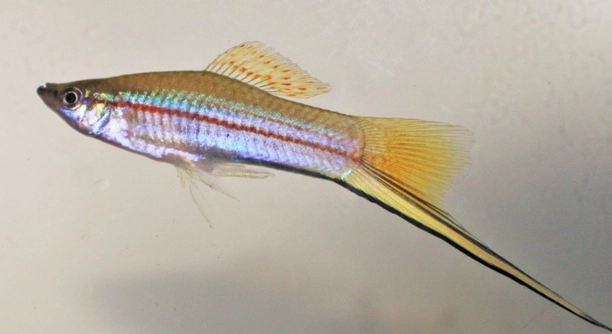
Have you ever watched your swordtails swim around and wondered if they remember certain routines or behaviors over time? It’s something many fish keepers start to notice after spending hours near the tank.
Swordtails are capable of forming habits over time through repeated exposure to specific stimuli or environments. Research suggests that their behavior can adapt based on patterns, reinforcement, and changes in their surroundings, indicating a capacity for learned routines.
From feeding time cues to patterns in tank interaction, these small fish might be doing more than just swimming—they could be remembering.
What Habit-Forming Looks Like in Swordtails
Swordtails often respond to repeated actions over time. If you feed them at the same hour daily, they may begin to wait near the surface around that time. They might also recognize when someone approaches the tank if it’s usually followed by food. These behaviors suggest a memory-based pattern. It’s not the same as how humans form habits, but it shows that swordtails are capable of recognizing consistent events and adjusting their behavior. Tank layout and lighting can also influence their actions. For example, if hiding places stay the same, swordtails often return to them when stressed. Changes in environment may disrupt patterns temporarily, but consistent routines help them regain their rhythm. This type of behavior is common in many livebearers, and swordtails are no different. Their ability to adapt and remember makes them a bit more engaging to watch than some might expect from small freshwater fish.
Short patterns are usually easier for swordtails to follow. Repeated cues often lead to predictable behavior in the tank.
These habits can make daily care easier. If your swordtails know feeding times or hiding spots, their movements may seem more relaxed and organized. Watching for these small signs can help improve your tank routine.
Why Environment Matters
Swordtails do better in stable environments with predictable lighting, food, and tank conditions. Sudden changes can throw off their routines.
A calm tank setup gives swordtails the chance to build habits without stress. This includes steady lighting, regular feeding times, and limited disruption in the water. Even the presence of tank mates affects how habits form. If more aggressive fish are added, swordtails may change behavior or hide more often. Plants and decorations play a role too, giving them a sense of safety and familiarity. When routines are consistent, swordtails may even approach when they expect interaction. These habits may not be complex, but they reflect memory and learned behavior. While they don’t think the way mammals do, swordtails are still shaped by patterns. Paying attention to how they respond can help you adjust your care and improve their well-being. Small changes in routine can either support or disrupt their comfort, so keeping things steady is usually best.
Repetition Builds Predictability
Swordtails tend to remember what happens often. If something repeats regularly, they learn to expect it. This helps them stay calm and reduces stress. Predictable routines also make it easier to spot when something feels off in their behavior.
Feeding your swordtails at the same time every day can lead to visible anticipation. They may swim to the front of the tank or hover near the top when they sense it’s close to feeding time. This behavior shows that they’ve linked a certain time of day with food. The same can happen with lights turning on or off. They often retreat or explore based on light changes. These actions aren’t random—they reflect patterns formed from repeated experiences. Consistent handling or tank maintenance can also lead to swordtails reacting less fearfully, showing comfort with familiar tasks. The more consistent your care, the more relaxed your fish usually become.
Tank placement and surroundings also play a role in forming habits. If you always approach from one side or turn on lights in the same order, swordtails can adjust to that pattern. While they may not understand what’s happening, the repetition allows them to feel safe and prepared. Predictability is a quiet way to support their natural behavior.
Signs That Habits Are Forming
You might start to notice small behaviors that repeat daily. Swordtails may start circling near feeding zones or explore at certain times. These are subtle, but they show a pattern. Watching these signs helps you understand how they adapt.
Swordtails don’t show habits the way dogs or cats might, but their small cues tell a lot. A fish waiting by the glass in the morning likely remembers that this is when food usually comes. If your tank lights follow a timer, they may respond within minutes of the change. Some may even rest in the same hiding spot every night. These signs point to memory-based learning. It doesn’t mean they’re forming habits consciously, but their brains are reacting to consistent experiences. Repetition, calm surroundings, and routine feeding all help support these behaviors. Noticing and respecting these patterns can make your care more effective and give your swordtails a smoother daily rhythm.
How Food Patterns Shape Behavior
When food is given at regular times, swordtails begin to act differently around those times. They may swim more actively or wait near the feeding area. These habits form naturally as they associate certain moments with getting fed.
Feeding routines help reduce food-related stress. Swordtails know when to expect their meals and don’t compete as much. Over time, they may even show less aggression during feeding since they aren’t worried about unpredictability.
Lighting and Activity Cycles
Light patterns strongly affect swordtail behavior. When lights come on or off at the same time daily, swordtails adjust their activity. They become more alert during lit hours and calmer when it’s darker. This routine helps balance their energy and rest. Keeping the schedule steady supports healthy habits and reduces anxiety.
Subtle Changes to Watch For
If your swordtail suddenly stops following a usual routine, it may be a sign of stress or illness. Small changes matter.
FAQ
Can swordtails really remember anything?
Yes, swordtails can remember simple things, especially if they happen often. For example, if you feed them at the same time each day, they’ll start to expect it. They might also recognize your approach if it usually means food is coming. This kind of memory is based on repetition, not deep thinking. It helps them feel more secure because they learn what to expect. While their memory isn’t strong like some animals, it’s enough for forming simple habits related to food, light, and safe hiding spots.
How long does it take for swordtails to form a habit?
It usually takes a few days to a couple of weeks for a swordtail to form a habit. The more consistent your actions are, the faster they adjust. Feeding at the same time and keeping the tank stable helps them settle into a routine. Some habits, like swimming to the top before feeding, may start within a few days. Others, like becoming less shy during tank cleaning, might take longer. Changes in behavior are usually gradual, but they show that the fish is adapting to your routine.
Do all swordtails form the same habits?
Not exactly. While many swordtails show similar patterns, like responding to feeding or lighting changes, each fish can behave slightly differently. Some may be more active or social than others. One swordtail might always hide after the lights turn off, while another swims around freely. Their environment, tank mates, and past experiences also play a part. So while habits can look similar, each swordtail might develop them in a unique way. That’s why it’s helpful to observe your fish closely to notice what’s normal for them.
Can changing the tank setup break their habits?
Yes, sudden changes in the tank can confuse swordtails and interrupt their habits. Moving decorations, changing lighting schedules, or adding new fish may cause them to act differently. For example, if their usual hiding spot is gone, they might become more anxious. That’s why it’s best to make changes slowly and only when needed. If you do rearrange the tank, keep other routines—like feeding and lighting—steady so they still have something familiar. Over time, they may build new habits as they get used to the updated setup.
Is it bad if my swordtails don’t show any habits?
Not always. Some swordtails may take longer to show noticeable patterns, especially if they’re still getting used to their environment. If they seem healthy, eat well, and swim normally, there’s likely no problem. But if they’re hiding all the time or acting stressed, it might mean something in the tank is off. Make sure water conditions, temperature, and lighting are stable. Once they feel safe and adjusted, small habits will usually begin to form. Keep an eye out for repeated behavior to spot early signs of comfort.
Do swordtails get bored without change?
Swordtails don’t need constant change, but they do benefit from stimulation. This can include plants to swim through, small tank decorations, or even a varied diet. These additions give them more to explore, which keeps them active. However, too much change—especially all at once—can overwhelm them. A good balance is keeping their environment steady but adding occasional, minor enrichment. Just be sure to keep feeding times and light schedules regular. This helps them feel grounded while still offering something new to explore when needed.
Can swordtails learn from other fish in the tank?
Yes, swordtails can sometimes copy behavior from other fish. If one fish starts swimming to the top during feeding time, others may follow. This kind of social learning is common in community tanks. It doesn’t mean they fully understand what’s happening, but they do react to patterns in the behavior around them. Having calm, well-adjusted tank mates can help new swordtails feel more at ease and pick up good routines faster. Just make sure tank mates are compatible, as too much aggression can create stress instead.
Final Thoughts
Swordtails are small fish, but they can show clear signs of learning over time. When given a calm and steady environment, they begin to respond to patterns like feeding times, lighting changes, and even your presence near the tank. These reactions might seem small, but they point to simple habits formed through repetition. Just like other animals, swordtails feel more at ease when they know what to expect. A regular routine can help lower their stress and make them more active, social, and comfortable in their space. While their memory may not be complex, it’s strong enough to guide daily behavior in a helpful way.
Taking the time to observe your swordtails is important. You might start to notice how they gather near the top at certain times or swim toward their usual hiding spots when the lights go out. These aren’t random actions—they are signs that your fish are reacting to consistent patterns. This kind of behavior can be a useful tool in managing their care. It lets you know when they are feeling safe, when something in the tank might be bothering them, or when a new routine is starting to take shape. Watching how they adapt also helps you adjust your tank setup and daily habits to support them better.
In the end, forming habits is part of how swordtails adjust to life in captivity. It’s not something that happens overnight, and not every fish will react the same way. But with time and patience, many swordtails begin to follow the same basic rhythms day after day. This makes them easier to care for and more enjoyable to observe. Even though they may not think the way we do, their small routines give us a quiet way to connect with them. Keeping their space consistent, calm, and simple allows those habits to grow. And when they do, your tank becomes a more peaceful and balanced place—for both you and your fish.

Hello,
If you enjoy the content that we create, please consider saying a "Thank You!" by leaving a tip.
Every little bit helps us continue crafting quality advice that supports the health, happiness, and well-being of pets around the world, for pets of all shapes, sizes, and species.
We really appreciate the kindness and support that you show us!