
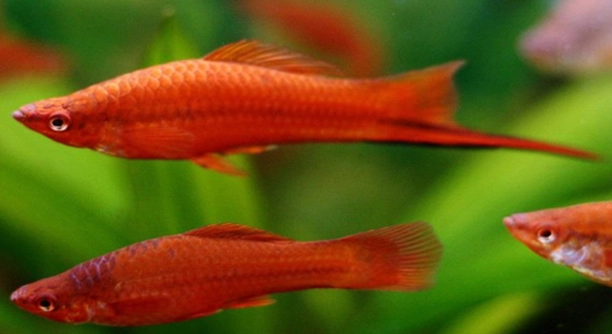
Have you ever set up a tank for your swordtails and wondered if it’s enough to keep them truly content?
Swordtails can experience boredom in simple tanks due to a lack of environmental enrichment, mental stimulation, and opportunities for natural behaviors. Providing a more complex habitat helps support their overall well-being and reduces signs of stress.
Learning how to create a more engaging space can improve your swordtails’ daily lives and help them stay active and healthy.
Why a Simple Tank May Not Be Enough
Swordtails are active and curious fish. In simple tanks with only the basics—gravel, a filter, and a few decorations—they often lack the stimulation they need. These fish enjoy swimming through plants, exploring caves, and interacting with their surroundings. Without variety, they can become less active and show signs of stress like hiding or pacing. A plain environment can also affect their social behavior, especially if they’re kept with other fish. While they might survive in a basic setup, it doesn’t support their natural instincts or full range of behavior. Just like people, fish benefit from variety in their daily environment. That includes changes in layout, more plants, and areas to explore or hide. Enrichment helps them stay curious and alert.
A boring tank can lead to dull colors, lower energy, and more aggression. These are signs your swordtail may need something more.
Adding different plants, stones, and hiding spots can make a noticeable difference. Swordtails will explore more, become more social, and show off brighter colors. Even something as simple as rearranging tank decorations or changing lighting can stimulate their senses. Making small changes regularly helps create a space where your fish feel safe and engaged. It’s a simple way to support their mental and physical health.
What You Can Do to Enrich Their Tank
Start by checking if your tank offers enough places to explore, rest, and hide. If it feels too empty, it probably is.
Add live or silk plants, driftwood, or smooth stones. Floating plants create shade, which swordtails enjoy. Create levels with different decorations so they can swim at different heights. Avoid overcrowding, but make sure there’s something interesting in every corner. Adding tank mates like peaceful tetras or snails can also help, as long as the tank is big enough. Consider rotating decorations every few weeks to keep things fresh. Feeding them in different spots or offering occasional live food like brine shrimp adds mental stimulation. These changes don’t have to be expensive or complicated. Even small upgrades can improve your swordtails’ behavior and appearance. With a bit of effort, your fish can stay active, curious, and comfortable in their tank every day.
How Boredom Affects Swordtails
Swordtails that lack stimulation often become less active. They might stay in one spot, lose interest in food, or stop interacting with other fish. These signs can easily be missed if the tank looks clean and the fish seem healthy at first glance.
When swordtails live in an unstimulating tank, they can show signs of stress through behaviors like fin nipping or hiding. Their bright colors may fade, and they may stop chasing or playing with tank mates. Over time, this can affect their immune system, making them more prone to illness. A bored fish is not just inactive—it is also more vulnerable. Providing a richer environment helps them stay alert and naturally behave as they would in the wild. Regular interaction with their surroundings supports both mental and physical health, which can be seen in brighter colors and increased activity.
Boredom can even affect how swordtails grow and reproduce. A stressed or inactive fish may eat less and fail to thrive. In community tanks, this can also lead to problems with social balance, especially if bored fish start bullying others. An enriched tank encourages more natural, peaceful interactions and allows the swordtails to use their energy in healthier ways. That’s important, especially in smaller or indoor aquariums.
Creating a More Engaging Tank
Start with small changes like adding soft plants or creating shaded areas. Swordtails love to swim through spaces, so adding tunnels or rock arches can keep them active. It doesn’t have to be expensive—many improvements can be done using items you already have.
Rearrange the tank every few weeks to give them something new to explore. Floating plants, tall grasses, and caves help them feel secure while also giving them interesting areas to investigate. Try using a bubbler or low-flow filter to create gentle water movement. This encourages swimming and keeps them curious. You can also vary their feeding routine—alternate between flakes, pellets, and live or frozen food. Offering different types of food in different parts of the tank adds mental stimulation. The more interactive their environment is, the more they’ll explore, play, and show natural behaviors. These changes help keep your swordtails both healthy and engaged long-term.
Signs Your Swordtails Might Be Bored
If your swordtails are always swimming in the same spot or spending too much time at the bottom, they might be bored. Lack of activity or interest in their surroundings is often a clear sign something’s missing in their environment.
Other signs include faded colors, chasing tank mates, or ignoring food. These behaviors often improve after adding new plants, hiding spots, or changing up their routine. Pay attention to changes in movement and interaction.
Easy Enrichment Ideas to Try
You can try simple tricks like feeding them from different spots each day or introducing occasional treats like live brine shrimp. Adding a mirror for a few minutes can also spark curiosity without causing stress. You might place decorations in new arrangements every week or switch out old ones for new items. Adding gentle bubbles or soft lighting changes can also keep things fresh. These adjustments keep swordtails more engaged and reduce unwanted behaviors.
Final Thoughts Before You Upgrade
Simple changes can make a big difference. Start small, watch how your swordtails react, and build from there.
FAQ
Can swordtails actually get bored?
Yes, swordtails can become bored if their environment lacks variety and stimulation. While they are hardy and adaptable, they still need mental and physical activity to stay healthy. A plain tank with no hiding spots, plants, or interaction can cause them to behave differently. You might notice less movement, dull colors, or even aggression. These are signs that your fish may need something more than just clean water and food. Creating a more engaging environment helps them stay curious, alert, and social, which supports their overall well-being.
What are some good tank additions for mental stimulation?
Adding live plants, driftwood, rock caves, and floating decorations gives swordtails different textures and areas to explore. Even silk plants or plastic tunnels work well if placed thoughtfully. Providing shaded areas and open swimming space helps mimic natural environments. You can also use bubblers or soft water currents to create movement. These additions encourage your swordtails to swim, explore, and interact with their surroundings more actively. Changing decorations or layout every couple of weeks also helps keep things fresh and interesting for them without causing stress.
Do swordtails need tank mates to stay active?
Swordtails are social fish and often do better when they have peaceful tank mates. They enjoy being in groups, especially in a well-balanced community tank. When housed alone or in too small a group, they may become more withdrawn or even stressed. Suitable tank mates include mollies, guppies, platies, and some small tetras. These companions can encourage more natural behaviors, such as schooling, light chasing, and exploring. Just be sure the tank is large enough, and everyone has enough space to avoid territorial behavior.
Can changing food help with boredom?
Yes, switching up their diet is a simple way to reduce boredom. Offer a mix of flakes, pellets, and occasional treats like frozen or live food (brine shrimp, daphnia, or bloodworms). Feed them in different areas of the tank to make them search and move around more. Feeding time can become an activity, not just a routine. Avoid overfeeding, though—small portions are better for their health and make them more active during meals.
How often should I change the tank layout?
Every 2–4 weeks is a good rhythm for minor layout changes. You don’t need to overhaul the tank completely—just shift some decorations, add or remove a plant, or move hiding spots. These small updates give your swordtails something new to explore. Be gentle when making changes so you don’t cause stress or disturb their sense of safety. Watch how your fish react after each change. If they become more active, it’s a sign the update was helpful.
What lighting is best for swordtail activity?
Swordtails don’t need strong lighting, but a consistent day-night cycle helps them stay active and calm. Use a soft light during the day for about 8–10 hours. Avoid bright, harsh lighting, especially if the tank has little cover. Adding floating plants helps filter the light and gives your fish shaded areas to retreat to. This balance of light and shadow supports natural behavior, like foraging and exploring. Dimming the lights in the evening also helps them settle down.
Is it okay to add toys or mirrors to their tank?
Short-term mirror use can spark curiosity, especially in males who may show off or become more active. But leave mirrors in for only a few minutes at a time to avoid stress. As for toys, some floating decorations or moving parts like airstone-driven ornaments can offer stimulation. Just make sure they are safe and don’t crowd the tank. Observation is key—if your fish explore more or become more active after trying something new, it’s likely working.
What tank size helps prevent boredom?
A minimum of 20 gallons is best for swordtails, especially if you’re keeping a group. More space gives them room to swim and reduces conflict. A larger tank also means more areas for plants, decorations, and hiding spots. It gives you more freedom to set up a stimulating layout with enough space for changes and additions. In smaller tanks, enrichment is still possible but must be done carefully to avoid overcrowding or blocking swimming space. Size does make a difference in helping swordtails stay active and healthy.
Final Thoughts
Swordtails are beautiful, active fish that bring a lot of life to a tank. But just like other pets, they need more than just food and clean water to stay healthy. A simple setup with no variety can cause them to feel bored. Boredom in fish may sound strange, but it often shows through changes in behavior. They might swim less, stay in corners, or even start acting aggressively toward others. These signs can be easy to miss at first, especially when everything looks clean and normal. But over time, a lack of stimulation can affect their health, mood, and energy.
Adding more to their tank doesn’t have to be difficult or expensive. You can start with just a few plants or hiding spots. Rearranging decorations every couple of weeks can make the space feel new and interesting. Changing how and where you feed them can also help. Offering different types of food or using live treats once in a while adds something fun to their day. Simple things like these can help keep swordtails more alert, active, and bright in color. Even adding soft water movement or light changes can improve their mood and encourage natural behavior.
Taking care of swordtails is not just about keeping them alive—it’s also about helping them feel safe and comfortable in their environment. Watching them explore a tank filled with plants, caves, and gentle currents can be a sign that they are happy and stimulated. Each small change you make, from switching decorations to adding tank mates, plays a part in their well-being. While they can survive in basic tanks, they really thrive when their surroundings give them more to do and explore. A little effort goes a long way in keeping your swordtails healthy and active. When your fish feel good, it shows—and that can make your whole aquarium more peaceful and enjoyable to watch.

Hello,
If you enjoy the content that we create, please consider saying a "Thank You!" by leaving a tip.
Every little bit helps us continue crafting quality advice that supports the health, happiness, and well-being of pets around the world, for pets of all shapes, sizes, and species.
We really appreciate the kindness and support that you show us!