
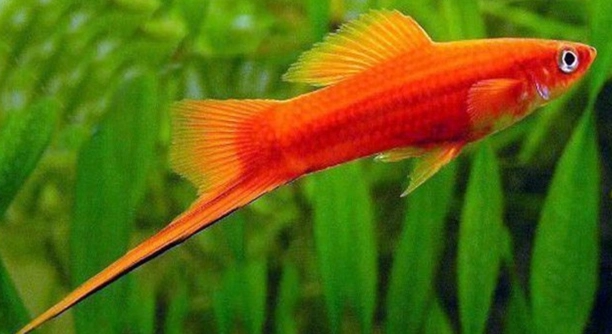
Swordtails are a popular species in home aquariums, often appreciated for their vibrant colors and active nature. While their care routine can be straightforward, a common concern is their diet. Understanding what they can and cannot eat is key.
Swordtails can eat vegetables in moderation, and many enjoy leafy greens such as spinach or lettuce. Offering these as part of a balanced diet can provide essential nutrients and promote overall health. However, they should not be the sole food source.
Incorporating vegetables into their diet can offer nutritional benefits, but variety is essential for their well-being. This ensures they receive a range of nutrients to support a healthy and active lifestyle.
What Vegetables Are Best for Swordtails?
When choosing vegetables for your swordtails, it’s important to pick the right ones that offer the best nutritional value. Leafy greens like spinach, kale, and lettuce are excellent choices. These vegetables are rich in fiber, vitamins, and minerals, which can support your swordtail’s overall health. You can also offer cucumber, zucchini, and peas, which are easier for swordtails to consume and digest. It’s best to lightly blanch these vegetables before offering them to your fish to make them easier to eat and absorb.
While vegetables should be part of their diet, swordtails also need protein-rich foods, such as live or frozen foods like brine shrimp or daphnia. Mixing vegetables with these protein sources will create a balanced diet, ensuring they get the nutrients they need for energy and growth.
It’s also essential to avoid offering starchy vegetables, such as potatoes or corn, as they may lead to digestive issues. Offering the right types of vegetables and maintaining variety in their diet is key to your swordtail’s long-term health.
Feeding Tips for Swordtails
Feeding swordtails vegetables is simple but requires attention. Introduce small portions and monitor their intake to avoid overfeeding.
Overfeeding can lead to water pollution, which affects the quality of their environment. Swordtails do best when fed a balanced diet, avoiding too much vegetable matter at once. It’s important to vary their meals and ensure the tank environment stays clean.
How to Prepare Vegetables for Swordtails
To prepare vegetables for swordtails, start by washing them thoroughly to remove any chemicals or pesticides. Lightly blanching the vegetables is a good practice. This helps soften them and makes them easier for your swordtails to eat. After blanching, let the vegetables cool and cut them into small, manageable pieces.
You can also use a vegetable clip to attach leafy greens like spinach to the side of the tank. This helps prevent the food from floating around and makes it easier for your fish to nibble. Avoid leaving uneaten food in the tank, as it can decay and harm the water quality.
The key is to provide small portions and remove any leftovers after a few hours. This ensures that swordtails are getting fresh, nutritious meals without excess food building up in their environment.
How Often to Feed Swordtails Vegetables
Swordtails should be fed vegetables two to three times a week, depending on their overall diet. Balance is key. You don’t need to offer vegetables at every feeding, as they should have a variety of foods. Overfeeding vegetables can lead to health problems, so moderation is essential.
Remember that swordtails are omnivores, so a mix of protein and vegetable matter is ideal for their diet. Too much vegetable matter can lead to digestive issues and nutrient imbalances. Make sure to rotate the types of vegetables offered to keep their diet diverse and interesting. This also ensures they get a variety of vitamins and minerals.
By adjusting the frequency of vegetable feedings and providing a balanced mix, you can maintain a healthy and active swordtail. This approach helps them thrive in your aquarium.
Common Mistakes When Feeding Swordtails Vegetables
A common mistake is overfeeding swordtails with vegetables, leading to uneaten food that fouls the water. Another mistake is offering only one type of vegetable, which can result in nutritional imbalances. Swordtails need variety in their diet to remain healthy.
Not rinsing vegetables properly can introduce harmful chemicals or bacteria to the tank, which can affect water quality. Additionally, offering vegetables that are too large or difficult to eat may discourage swordtails from consuming them. Always cut them into small, bite-sized pieces and remove any leftovers after feeding.
Benefits of Vegetables for Swordtails
Vegetables provide swordtails with essential nutrients, such as vitamins and minerals that support their immune system, improve their digestion, and promote vibrant colors. They also offer fiber, which helps keep the digestive tract healthy. These benefits contribute to the overall well-being of your swordtail, ensuring they thrive in your tank.
The Role of Vegetables in Swordtail Health
A balanced diet, including vegetables, helps swordtails stay active and healthy. Without the proper nutrition, swordtails may become lethargic or develop health problems. Offering vegetables helps strengthen their immune system and maintain optimal growth. Consistency and variety in their diet are key to their long-term health.
FAQ
Can swordtails eat all types of vegetables?
No, swordtails should not be fed all vegetables. Starchy vegetables like potatoes and corn should be avoided because they can be difficult for swordtails to digest and may lead to health problems. Vegetables like spinach, kale, zucchini, peas, and cucumber are safe and beneficial for swordtails. These provide essential vitamins and minerals, supporting their overall health. However, it’s important to offer a variety of vegetables to ensure they get a wide range of nutrients.
How do I prepare vegetables for swordtails?
To prepare vegetables, first rinse them thoroughly to remove any pesticides or chemicals. Blanching vegetables helps soften them and makes them easier for swordtails to eat. After blanching, allow the vegetables to cool down and cut them into small, manageable pieces. For leafy greens, you can use a vegetable clip to attach them to the side of the tank. This prevents them from floating around and makes them easier for the fish to nibble. Always remove uneaten food after a few hours to avoid polluting the water.
How often should I feed swordtails vegetables?
Swordtails should be fed vegetables around two to three times a week, as part of a balanced diet. Offering vegetables too frequently can lead to overfeeding and may disrupt their digestion. Vegetables should complement other foods like protein-rich options (e.g., brine shrimp, daphnia). Rotating the vegetables you offer ensures variety, helping to meet their nutritional needs. Moderation is key to avoid any issues with water quality and digestion.
Can swordtails live on a vegetable-only diet?
No, swordtails cannot live on vegetables alone. While vegetables are a great source of vitamins, fiber, and minerals, swordtails are omnivores and require a protein source as well. Their diet should include live or frozen foods such as brine shrimp, bloodworms, or daphnia. A protein-based diet helps maintain their energy levels and supports their growth. Vegetables should be seen as a supplement to a well-rounded, varied diet.
Are frozen vegetables suitable for swordtails?
Frozen vegetables can be used for swordtails, but they should be thawed before feeding. Ensure that the vegetables you offer are safe and free from additives or preservatives, as these can be harmful to your fish. Freezing vegetables at home, after blanching them, is a good way to store them for later use. Just like fresh vegetables, it’s important to cut them into appropriate sizes and offer them in moderation.
Can swordtails eat fruit?
While swordtails can occasionally eat fruit, it should not be a regular part of their diet. Fruits like apples, oranges, and berries can be offered in small quantities as a treat. These provide vitamins and antioxidants, but fruits are higher in sugars and should only be given sparingly. Too much sugar can lead to digestive problems and can affect water quality.
How do I know if I am overfeeding my swordtails vegetables?
If you notice leftover vegetables floating in the tank after a few hours, it’s a sign that you’re overfeeding. Swordtails can eat only a small amount of food at a time, so be sure to offer only as much as they can consume in one feeding. Overfeeding can lead to uneaten food that pollutes the water, which can cause harmful spikes in ammonia and nitrites. Maintaining clean water conditions is important for their health, so remove any uneaten food promptly.
Can swordtails eat leafy greens like lettuce and spinach?
Yes, swordtails can eat leafy greens like lettuce and spinach. These greens provide fiber, vitamins, and minerals essential for their health. Spinach, in particular, contains iron and calcium, which are beneficial for your swordtail’s overall well-being. However, avoid feeding them iceberg lettuce, as it has very little nutritional value and can cause digestive issues. Make sure to blanch the greens before offering them, and always remove any leftovers after feeding.
Should I feed my swordtails live or frozen vegetables?
Live vegetables are generally not offered to swordtails, as they don’t typically consume live plant matter in the wild. Instead, you can offer frozen or blanched vegetables. Frozen vegetables are easy to store and can be thawed and prepared for feeding. Blanching vegetables makes them softer, easier to eat, and helps retain more nutrients. Regardless of whether the vegetables are frozen or fresh, always ensure that they are free from chemicals and preservatives before offering them to your fish.
Can swordtails eat algae or aquatic plants?
Swordtails are known to nibble on algae and aquatic plants in their natural habitat. If you have live plants in the aquarium, swordtails might occasionally graze on them. However, they shouldn’t rely solely on these plants for food, as they don’t provide all the necessary nutrients. You can supplement their diet with vegetables and other foods to ensure they receive a balanced nutrition. Be cautious, as excessive plant-eating can harm the plants in your aquarium.
Final Thoughts
Feeding swordtails vegetables is an important part of maintaining their overall health. Offering them a variety of vegetables, such as spinach, zucchini, and peas, helps to provide essential vitamins and minerals. These nutrients support their immune system and aid in digestion. Vegetables also offer a good source of fiber, which is important for keeping their digestive tract healthy. However, it’s important to offer vegetables in moderation, as part of a balanced diet that includes proteins and other food sources. Overfeeding can lead to waste in the tank and affect water quality, so keeping portions small is key.
In addition to providing fresh or frozen vegetables, remember to cut them into small, manageable pieces. This makes it easier for swordtails to eat and ensures they can get the most out of their meal. Blanching vegetables before feeding them softens them, making them more appealing and easier to digest. Avoid leaving uneaten vegetables in the tank for too long, as they can spoil quickly and cause harmful changes in water conditions. By removing leftovers, you help maintain a clean and healthy environment for your fish. A clean tank, paired with a well-balanced diet, is essential for the long-term health of your swordtails.
Ultimately, swordtails thrive when given a well-rounded diet. Vegetables play a crucial role in providing necessary nutrients and improving their quality of life. It’s essential to offer a variety of foods, including both plant-based and protein-rich options, to ensure your swordtail stays healthy and active. By understanding the importance of a balanced diet and properly preparing vegetables, you can help your swordtail reach its full potential. As long as you feed them in moderation and maintain good water quality, your swordtail will enjoy a healthy, long life in your aquarium.

Hello,
If you enjoy the content that we create, please consider saying a "Thank You!" by leaving a tip.
Every little bit helps us continue crafting quality advice that supports the health, happiness, and well-being of pets around the world, for pets of all shapes, sizes, and species.
We really appreciate the kindness and support that you show us!