
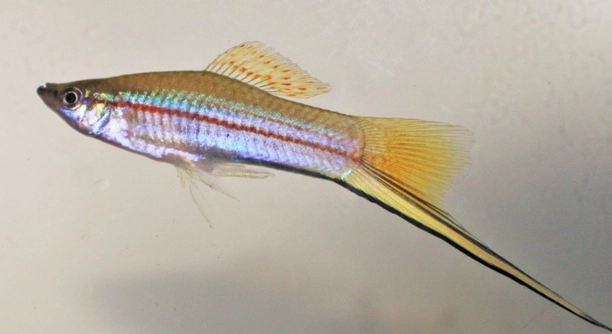
Swordtails are a popular choice among aquarium hobbyists, known for their vibrant colors and playful behavior. Observing their activity can raise interesting questions, particularly about how their mood might shift throughout the day.
Swordtails do experience mood shifts, which can be influenced by environmental factors such as water quality, lighting, and interactions with other fish. These changes often result in altered behavior, including aggression or more passive behavior.
Understanding why swordtails display these changes can enhance your care for them and create a healthier, more harmonious aquarium. Knowing what affects their mood will help you foster a better environment for these lively fish.
Factors That Influence Swordtail Mood
The mood of your swordtail can be affected by several factors, from the environment to their interactions with tank mates. One of the main elements is the quality of the water. Swordtails are sensitive to changes in water temperature, pH levels, and cleanliness. A drop in water quality can make them stressed, which shows in their behavior. Likewise, the lighting in your aquarium also has an impact. Swordtails prefer moderate light and will feel unsettled under harsh lighting conditions.
Another aspect is the tank size and layout. A crowded tank with little hiding spaces can lead to aggression and stress, causing swordtails to appear irritable. Overcrowding leads to competition for space and food, making it harder for them to feel safe. Having a few plants or decorations to hide in can help ease this tension and offer a more peaceful environment.
Fish social interactions play a role too. Swordtails tend to be social, but if kept with overly aggressive fish, they may become defensive or even more aggressive themselves. Maintaining balanced tank dynamics with compatible species helps keep their mood stable.
The Importance of Tank Setup
A well-maintained tank goes beyond just aesthetic appeal. For swordtails, it directly affects their well-being and behavior. Ensuring the tank is not overcrowded and contains plenty of hiding spots can reduce aggression.
A swordtail will thrive in a balanced setup with calm tank mates, stable water conditions, and proper lighting. This allows them to display their natural, vibrant behavior. Healthy swordtails are typically more active and visually appealing, making their mood shifts less dramatic and easier to manage.
Social Behavior and Mood Shifts
Swordtails are not solitary creatures. They do better when kept with others of their kind or peaceful species. If isolated, they may show signs of stress, such as reduced movement or excessive hiding. Swordtails are also prone to territorial disputes when their tank space feels threatened. It’s essential to maintain a mix of males and females to avoid dominance issues that could lead to aggression or anxious behavior.
Swordtails are particularly sensitive to the actions of their tank mates. They may react negatively to overly aggressive fish, even if it’s only a brief encounter. Keeping their tank environment calm is key to preventing mood swings. When housed with other peaceful fish, swordtails tend to be more relaxed and engaging, displaying behaviors like swimming in schools or exploring the tank. It’s important to observe their interactions to ensure no one is being overly stressed. This helps create a harmonious environment, making it easier to enjoy their playful nature.
Water Conditions and Their Impact on Mood
Water quality is crucial for swordtails. If the water is too warm, too cold, or has an imbalanced pH level, it can cause stress and affect their mood. Frequent water changes are necessary to maintain a healthy environment, ensuring your swordtails stay happy and active.
Swordtails thrive in water temperatures between 72°F and 79°F (22°C to 26°C). When these conditions are not met, they may become lethargic or aggressive. Inconsistent pH levels can also have a negative effect, leading to mood changes. Maintaining regular water testing and adjustments can keep swordtails comfortable, preventing unnecessary stress that affects their behavior. Clean, well-filtered water promotes healthier and more vibrant fish. Additionally, swordtails are sensitive to ammonia and nitrite levels, so ensuring proper filtration is key to maintaining optimal water conditions.
Light and Its Effect on Swordtail Behavior
Lighting plays an important role in creating a stable atmosphere for swordtails. Too much or too little light can cause them to act out of character. Swordtails generally do well with moderate light, and a natural day-night cycle is ideal for their well-being.
Having consistent light helps keep your swordtails’ biological rhythms in check. If they are exposed to overly bright lights for long periods, they may feel stressed and hide more. On the other hand, insufficient light can lead to them becoming sluggish or less active. To promote a balanced mood, use soft aquarium lighting and keep it on for 8 to 10 hours daily. This mimics natural conditions and allows your swordtails to stay comfortable and active throughout the day. Proper lighting not only helps their mood but also supports their overall health.
Tank Mates and Swordtail Mood
Swordtails can experience mood shifts depending on the behavior of their tank mates. If housed with more aggressive fish, swordtails might become anxious or defensive. Choosing peaceful species that won’t compete for space or food helps keep their mood stable.
Tank mates affect swordtail behavior significantly. If swordtails feel threatened by other fish, especially during feeding or territory disputes, their mood can change, leading to increased aggression or stress. Peaceful species like guppies or other calm livebearers are ideal tank mates for swordtails. These companions help swordtails feel secure, fostering more relaxed and social behavior. Always observe interactions between fish to ensure everyone is comfortable.
Swordtail Aggression
Swordtails can display aggression, particularly males towards each other. This behavior is most common when there’s a lack of space or when one male is trying to assert dominance. Understanding these dynamics helps prevent unnecessary stress.
Keeping multiple females for each male can help reduce fighting among males. In a tank with limited space, males may become more aggressive, constantly chasing or displaying territorial behavior. To reduce aggression, ensure there is enough room for all fish to establish their own space. Adding plants or decorations also helps give swordtails more areas to retreat to if they feel threatened. Recognizing signs of aggression early on allows for quick adjustments.
Feeding and Mood Shifts
Swordtails are generally not picky eaters, but their mood can be affected by feeding habits. Inconsistent feeding times or poor-quality food may make them anxious. Regular, nutritious meals support a healthier, more stable mood.
Swordtails rely on a well-balanced diet of high-quality flakes, pellets, and occasional live foods. Feeding them too often or too little can lead to stress, which in turn impacts their behavior. It’s important to provide them with food that supports their health and energy. Offering a variety of foods not only keeps them satisfied but also helps maintain their natural behaviors, reducing the likelihood of mood swings related to hunger or dissatisfaction.
FAQ
What are the signs that my swordtail is stressed?
Swordtails can show several signs when they are stressed. These include hiding more than usual, changes in swimming patterns, aggression towards other fish, or loss of appetite. You might also notice them swimming near the surface or near the tank’s corners, often trying to escape from something that makes them uneasy. If you see these signs, it’s crucial to check the water quality, tankmates, and environmental conditions to identify the source of stress.
How can I tell if my swordtail is happy?
A happy swordtail is typically active and social. They’ll swim around the tank, interact with other fish, and explore their surroundings. Swordtails that are well-fed, in good water conditions, and with compatible tankmates will display vibrant colors and a relaxed, confident posture. Healthy swordtails will swim in a natural pattern and seem curious about their environment, rather than hiding or being overly aggressive.
Can swordtails live with other species?
Yes, swordtails can live with other species, but it’s important to choose compatible tankmates. They’re generally peaceful but can be territorial, especially males. They do well with other peaceful fish like guppies, mollies, or tetras. Avoid aggressive or fin-nipping species, as this can lead to stress and mood shifts in swordtails.
How often should I feed my swordtail?
Swordtails should be fed 2-3 times a day, offering small amounts each time. Overfeeding can cause water quality issues and lead to obesity. Make sure to feed them a balanced diet with high-quality flakes, pellets, and occasional live or frozen food. Varying their diet keeps them healthy and active. Be careful to remove any uneaten food to avoid water contamination.
Why is my swordtail chasing others?
Swordtails, especially males, are known for chasing each other, especially when they’re establishing dominance or trying to impress females. If males outnumber females in the tank, this behavior may increase. To reduce aggression, consider adding more females or rearranging the tank’s layout to give each fish more space. In some cases, this chasing is harmless, but if it becomes excessive, it could be a sign that they’re stressed or overcrowded.
Do swordtails prefer live plants in their tank?
Yes, swordtails appreciate having live plants in their tank. They not only provide hiding spots but also help create a natural environment that swordtails enjoy. Plants also improve the water quality by absorbing excess nutrients and offering shelter for swordtails to feel secure. Choose soft-leaf plants, as rough leaves may damage the swordtails’ fins.
How can I help my swordtail’s mood after aggression?
If your swordtail has been involved in aggressive behavior, provide a break by separating any aggressive tankmates. Offering hiding places and plants can reduce stress. Consider increasing the tank size if overcrowding is an issue. Adjusting the water conditions to the optimal range and ensuring the tank is well-maintained can also improve their mood over time.
Can swordtails change their color?
Yes, swordtails can change their color based on their mood, health, and environment. A stressed or sick swordtail might lose some of its vibrant color, while a happy and healthy one will show off bright and bold hues. Water conditions, diet, and lighting can all influence the intensity of their colors.
Is it normal for swordtails to hide sometimes?
Occasional hiding is normal, especially if swordtails feel threatened, are adjusting to a new environment, or need rest. However, if they hide for long periods, it could be a sign of stress or illness. Ensure the tank is well-kept and that the swordtail has enough space to avoid feeling crowded. Stressful tank mates or poor water conditions are often the cause of hiding behavior.
How do I know if my swordtail is pregnant?
Female swordtails are livebearers, meaning they carry their eggs inside and give birth to live young. If your female swordtail appears noticeably larger, particularly around her abdomen, it’s likely she’s pregnant. You may also notice dark spots near her anal fin, which are the developing fry inside her. If she is pregnant, you may want to provide a breeding tank or hiding spots to protect the baby swordtails.
What tank size is ideal for swordtails?
Swordtails need a minimum of a 20-gallon tank for a small group, with additional space for each new fish. This provides enough room for them to swim freely and reduces stress from overcrowding. A larger tank also allows for better water quality and a more stable environment, which is essential for swordtail well-being.
Can swordtails live with bettas?
Swordtails should generally not be kept with bettas, especially male bettas, as bettas are territorial and can become aggressive towards other fish, particularly those with long fins like swordtails. If you’re determined to keep them together, ensure the tank is large enough and has plenty of hiding spots to reduce the chances of conflict.
How can I prevent swordtail aggression in a tank?
To reduce swordtail aggression, try to maintain a balanced male-to-female ratio, with more females than males. This helps reduce the competition for mates and calms down the dominant males. You can also add plenty of plants and decorations to give the swordtails space to retreat. Keeping the tank well-maintained and ensuring water quality is optimal will also help reduce stress-related aggression.
Final Thoughts
Swordtails are fascinating fish that can display shifts in mood, influenced by various factors in their environment. From water quality and tank mates to lighting and food, these elements can impact their behavior and overall well-being. Swordtails are generally peaceful but, like all animals, they can become stressed or act aggressively if their conditions aren’t ideal. By paying attention to their needs and creating a stable environment, you can help ensure they remain happy and healthy.
Understanding how to care for swordtails goes beyond just feeding them regularly. It’s about creating a space where they can thrive and feel secure. Proper water conditions, like maintaining a consistent temperature, pH, and clean water, are crucial for their mood. Without the right setup, swordtails may show signs of stress, like hiding or losing their vibrant colors. Likewise, providing appropriate tank mates is essential. Swordtails are social creatures, but they need peaceful companions. Avoiding aggressive or overly dominant species will help keep the swordtails calm and reduce any mood shifts that might arise.
In the end, swordtails are relatively low-maintenance but require the right balance of care to keep them content. Watching them swim around with their vivid colors can be a rewarding experience when you know that their environment supports their health. Regular maintenance of their tank, along with keeping an eye on their interactions with other fish, can go a long way in preventing any mood changes. Swordtails are a great choice for aquarists looking to add some color and personality to their tanks, but it’s important to remember that their behavior will always reflect the conditions they’re living in.

Hello,
If you enjoy the content that we create, please consider saying a "Thank You!" by leaving a tip.
Every little bit helps us continue crafting quality advice that supports the health, happiness, and well-being of pets around the world, for pets of all shapes, sizes, and species.
We really appreciate the kindness and support that you show us!