
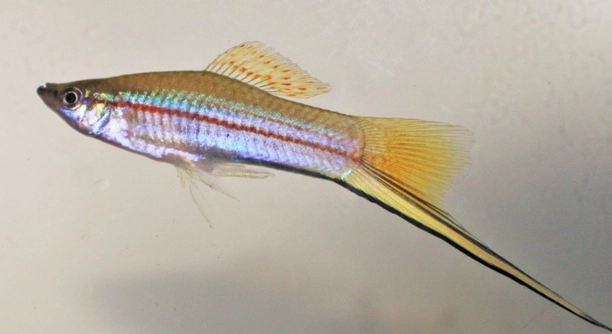
Stress can have a significant impact on swordtails, a popular aquarium fish. Understanding how stress affects their health can help you care for them more effectively and prevent potential problems that could lead to serious health issues.
Swordtails can indeed die from stress if exposed to prolonged or extreme conditions. Factors like water quality, overcrowding, and aggressive tank mates can cause stress, weakening their immune system and making them more vulnerable to diseases and even death.
Managing stress in swordtails involves creating a peaceful and stable environment for them. Proper tank maintenance and a balanced ecosystem are essential for their well-being and longevity.
Factors Contributing to Stress in Swordtails
Stress in swordtails can result from a range of environmental and social factors. Poor water quality is one of the most significant stressors for these fish. Changes in water temperature, pH, or oxygen levels can cause discomfort and lead to health problems. Swordtails are also sensitive to overcrowding in their tank. When there are too many fish, they may feel threatened and become stressed. Aggressive tank mates can further exacerbate this issue, as swordtails prefer a peaceful, harmonious environment.
Maintaining a healthy and stable tank is crucial. Regular water testing and proper filtration can reduce stress by keeping the environment clean and consistent. Choosing peaceful tank mates also ensures swordtails can thrive without the threat of constant aggression.
Additionally, swordtails need space to swim freely. A tank that is too small for the number of fish will increase their stress levels and decrease their lifespan. Therefore, ensuring they have enough room and avoiding overcrowding is key to keeping them happy and healthy.
How to Manage Stress in Swordtails
One of the best ways to manage stress is by maintaining the right water conditions. Regular water changes help ensure the tank remains clean, while testing water parameters allows you to adjust them before they cause problems.
To keep swordtails stress-free, make sure their environment is peaceful. Avoid aggressive tank mates, and ensure there’s plenty of hiding places and plants to help them feel secure. Offering a stable and safe space helps swordtails feel more at ease, promoting their well-being and longevity.
The Impact of Water Quality on Swordtails
Water quality directly affects the health and stress levels of swordtails. High levels of ammonia, nitrites, or nitrates can lead to poor water conditions, making the fish stressed and vulnerable to disease. Regular water changes help maintain a clean environment, ensuring swordtails stay healthy.
It’s essential to monitor the water parameters regularly. Testing for pH, hardness, and temperature ensures your tank remains within the acceptable range for swordtails. This prevents any drastic changes that could cause stress. Swordtails also prefer slightly acidic to neutral water, so keeping the levels stable is important.
Investing in a good filtration system can go a long way in reducing stress. A proper filter helps remove waste and toxins, ensuring the water remains clean. Combining this with routine water changes ensures that swordtails are kept in an optimal environment for health and stress management.
Preventing Overcrowding in the Tank
Overcrowding is a common cause of stress in swordtails. Fish need personal space to swim freely. When too many fish are placed in a small tank, it can cause anxiety, aggression, and decreased water quality. It is important to provide enough space for each fish to live comfortably.
A general rule of thumb is 1 inch of fish per gallon of water. By ensuring that your tank is not overcrowded, swordtails will have enough room to swim and find hiding spots when needed. This reduces competition for space and resources, leading to a less stressful environment.
When setting up a tank for swordtails, consider the adult size of the fish and choose tank mates carefully. Avoid adding too many other fish, especially aggressive species, as this can contribute to overcrowding and increase stress.
The Role of Tank Mates
Aggressive or territorial tank mates can be a major source of stress for swordtails. These fish prefer a peaceful environment, so having too many aggressive species can lead to anxiety, reduced feeding, and health problems. Selecting compatible tank mates is essential for a stress-free environment.
Species like tetras, mollies, and guppies generally make good companions for swordtails. These fish are peaceful and unlikely to cause stress through aggression. It’s important to avoid overly dominant species that may harass swordtails, as this can lead to constant stress and even injury.
Temperature Fluctuations
Sudden changes in water temperature can stress swordtails. These fish prefer a stable temperature range, typically between 72 and 78°F. Significant fluctuations can cause them to become stressed, leading to weakened immune systems and susceptibility to disease. Keeping the temperature consistent is crucial for their well-being.
A heater can help maintain a steady temperature in the tank. Regular monitoring of the water temperature with a reliable thermometer ensures that any changes are quickly detected and addressed before they affect the fish. Keeping the water within the optimal range will keep swordtails happy and healthy.
FAQ
Can swordtails die from stress alone?
Yes, swordtails can die from stress if exposed to prolonged or extreme stress factors. Stress weakens their immune system, making them more susceptible to diseases. Prolonged exposure to poor water quality, overcrowding, or aggression from tank mates can lead to chronic stress, eventually leading to their death.
What are the common signs of stress in swordtails?
Common signs of stress in swordtails include hiding, loss of appetite, erratic swimming behavior, and faded or dull coloring. They may also exhibit rapid gill movement and seem more lethargic than usual. If these behaviors persist, it could indicate stress or an underlying health issue.
How can I reduce stress in my swordtail tank?
To reduce stress, ensure proper water quality by conducting regular water tests and performing frequent water changes. Avoid overcrowding and provide plenty of hiding spots and plants. Select peaceful tank mates and maintain a stable temperature. These measures help create a stress-free environment for swordtails.
Can water temperature cause stress in swordtails?
Yes, water temperature can cause significant stress in swordtails. Swordtails thrive in stable temperatures between 72-78°F (22-26°C). Sudden fluctuations or temperatures outside this range can cause distress, weaken their immune systems, and make them more prone to diseases.
How often should I change the water in a swordtail tank?
Water changes should be done regularly, at least 25% of the tank water every 1-2 weeks. Frequent water changes help remove toxins, improve water quality, and reduce stress. Ensure that the new water is properly conditioned and matches the temperature and pH levels of the tank.
What tank size is suitable for swordtails?
Swordtails need adequate space to swim freely and thrive. A minimum tank size of 20 gallons is recommended for a small group of swordtails. Larger tanks are ideal if you have multiple fish or want to add additional tank mates. Overcrowding can increase stress and aggression.
Are swordtails social fish?
Yes, swordtails are social and do well in groups. A minimum of three swordtails should be kept together to help reduce stress and encourage natural behavior. However, overcrowding should be avoided, as it can lead to increased competition for space and resources, which can cause stress.
Can stress cause swordtails to lose their color?
Stress can cause swordtails to lose their vibrant colors. When stressed, their body’s ability to maintain bright coloration is compromised. Factors like poor water quality, incompatible tank mates, or fluctuating temperatures can lead to color fading, making the fish appear dull or pale.
What is the best diet for swordtails?
Swordtails are omnivores and benefit from a balanced diet consisting of high-quality flakes or pellets, supplemented with live or frozen food like brine shrimp, daphnia, and bloodworms. Offering a variety of foods ensures they receive all the necessary nutrients for optimal health and reduces stress related to poor nutrition.
Can I keep male and female swordtails together?
Yes, male and female swordtails can be kept together, but it’s important to balance the male-to-female ratio. Too many males can lead to aggressive behavior as they compete for the attention of females. A good ratio is 1 male for every 2-3 females to reduce aggression and ensure a peaceful environment.
How can I tell if my swordtail is stressed?
Stressed swordtails often show signs like hiding, reduced activity, and abnormal swimming patterns, such as swimming in circles or near the surface. They may also refuse to eat and exhibit dull or faded colors. Monitoring their behavior regularly helps catch stress early before it affects their health.
Final Thoughts
Stress can have a significant impact on swordtails, affecting their health and well-being. It is important to be aware of the various stress factors that can affect these fish, including poor water quality, overcrowding, and aggressive tank mates. When swordtails are stressed, their immune systems weaken, making them more vulnerable to disease. By managing the environment properly, you can help reduce stress and create a healthy, peaceful setting for your fish.
Maintaining stable water conditions is crucial in preventing stress. Regular water changes and testing the water for ammonia, nitrites, and nitrates ensures that the water quality remains safe for swordtails. The temperature should also be kept consistent, as sudden fluctuations can lead to stress. Swordtails thrive in tanks that are properly filtered, allowing for clean and clear water. By paying attention to these details, you create an environment where swordtails can thrive, reducing the risk of stress-related illnesses.
Tank mates also play a role in the well-being of swordtails. While they are social fish, they need to be housed with peaceful species to avoid aggression. Overcrowding can cause unnecessary competition for space and resources, which can lead to stress. A well-balanced tank with enough space and compatible fish helps keep swordtails happy and stress-free. Providing plenty of hiding spots, plants, and ensuring the right number of fish in the tank can further improve their overall health. By paying attention to these key factors, you can create a safe, comfortable home for your swordtails.

Hello,
If you enjoy the content that we create, please consider saying a "Thank You!" by leaving a tip.
Every little bit helps us continue crafting quality advice that supports the health, happiness, and well-being of pets around the world, for pets of all shapes, sizes, and species.
We really appreciate the kindness and support that you show us!