
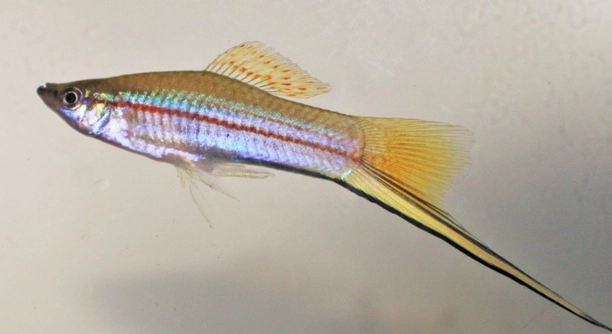
Swordtails are popular aquarium fish known for their vibrant colors and playful behavior. Many owners wonder whether these fish can develop unique personalities. Understanding this may help enhance the care and environment they provide for their aquatic pets.
Studies suggest that swordtails, like other fish, can exhibit individual differences in behavior and temperament. These differences can include varying levels of curiosity, boldness, or timidity, often influenced by environmental factors and social interactions within their tank.
Exploring the factors that shape their personalities will help in understanding how they interact with each other and their surroundings.
Factors Influencing Swordtail Personality
Swordtails are affected by several environmental and social factors that shape their personalities. A well-maintained tank with clean water, appropriate temperature, and adequate space encourages swordtails to feel safe and secure. Stress, on the other hand, can lead to more skittish and shy behavior. Swordtails that live in cramped or unbalanced environments may display more fearful tendencies, while those in stable, comfortable tanks tend to be bolder and more curious. Their behavior is also influenced by the presence of other fish. In a peaceful tank with compatible tankmates, swordtails are more likely to express positive traits such as exploration and social interaction.
Water quality is an essential factor in shaping swordtail behavior. Poor water conditions can lead to illness or stress, which affects their temperament. Regular water changes and proper filtration are key to ensuring they remain healthy and active. A tank that mirrors their natural environment will also contribute to a more relaxed and engaging fish.
Maintaining a balanced environment, with proper care and attention to their needs, will result in swordtails expressing a range of unique personalities. From curious and outgoing to more reserved, their behavior reflects their surroundings and the care they receive. Positive interactions with other fish also play a role in shaping their social dynamics. A harmonious tank allows swordtails to display more diverse behaviors, encouraging growth and development.
Social Interaction and Swordtail Behavior
The way swordtails interact with one another can influence their personalities significantly. In a tank with multiple swordtails, they tend to form a hierarchy based on size and strength. More dominant swordtails may show aggressive tendencies, while smaller or weaker individuals might be more submissive or shy. These social structures can determine how each fish behaves within the group.
While swordtails are generally peaceful, they still display clear social preferences, often gravitating towards certain tankmates. Swordtails may become more outgoing if kept in a diverse community, where each fish has the space to express itself. However, a tank with too many dominant fish can lead to territorial disputes, causing anxiety and aggression. The presence of plants and hiding spaces helps swordtails feel secure, allowing them to interact more freely without the pressure of constant competition.
Overall, the social environment plays a critical role in shaping swordtail personalities. When kept with compatible species and in balanced numbers, swordtails are more likely to display varied personalities. Some may become bold explorers, while others may remain shy and cautious. The tank’s social dynamics and individual interactions contribute to how swordtails express themselves.
Genetic Factors and Personality
Swordtails, like all animals, have genetic traits that can influence their personality. Certain characteristics such as boldness, shyness, and curiosity can be inherited, which means some swordtails may naturally be more active or timid than others. Genetics play a role in their overall temperament, just as they do in humans and other animals.
Genetic traits determine how swordtails react to their environment and interactions with other fish. Some swordtails might inherit traits that make them more social and willing to interact, while others may be more solitary. These inherited behaviors can be seen from birth, and often, fish that display more outgoing traits tend to be more active in exploring their tank. Over time, these traits become more evident as they grow and experience their environment.
While genetics certainly influence their behavior, it’s important to remember that the environment plays a big role as well. Swordtails may exhibit a genetic tendency for specific traits, but without the right conditions, these behaviors might not fully develop. By understanding their genetic makeup and environment, you can predict and influence their behavior in positive ways.
Environmental Enrichment and Behavior
Creating an enriching environment for swordtails can help bring out their unique personalities. Things like plants, rocks, and decorations provide hiding places and places for swordtails to explore. A well-decorated tank will make them feel more secure, and in turn, they’ll express more natural behaviors.
Enrichment also means offering them space to swim freely, which is essential for swordtails. A cramped tank can lead to stress and limit their ability to interact with others or explore. By adding plants and features that mimic their natural habitat, you can encourage swordtails to be more active and confident. These small changes in their environment can lead to noticeable shifts in their behavior.
Swordtails, when given enough stimulation in their environment, will show more signs of curiosity and exploration. These behaviors are crucial for their well-being and happiness. By paying attention to their tank setup and adding enriching elements, you provide them with the opportunity to develop their personalities further.
Swordtail Tankmates and Personality
The personality of swordtails is greatly influenced by the tankmates they share their space with. Peaceful species allow swordtails to feel more secure and show their true traits. In contrast, aggressive or territorial fish can cause stress, leading to a more reserved behavior.
If swordtails are kept with other peaceful fish, they tend to become more active and social. The more relaxed they feel in the presence of tankmates, the more likely they are to exhibit their natural curiosity and outgoing personality. However, when paired with dominant species, swordtails might become more passive and shy.
Activity Levels and Behavior
Swordtails are generally active swimmers, especially when they feel secure in their environment. Providing enough space for them to move freely can lead to more noticeable behavior, such as chasing, exploring, and even displaying certain social tendencies. An active swordtail is often a sign of a happy fish.
If they are in a confined space, swordtails may show fewer of these behaviors, becoming more sedentary or reclusive. Their activity levels also depend on water temperature and tank conditions, with warmer water temperatures typically encouraging more movement. A balance between activity and rest is crucial for their well-being.
Maintaining Stability
Keeping the water conditions stable is crucial for swordtails to develop strong, healthy personalities. Fluctuating temperatures, sudden changes in water chemistry, or inconsistent filtration systems can cause stress, affecting their behavior. A stable environment ensures that swordtails feel secure enough to show their natural traits.
FAQ
Can swordtails change their personality over time?
Yes, swordtails can change their behavior as they grow older or as their environment changes. Young swordtails are often more curious and active, but as they mature, they may become more territorial or calm down in response to the environment around them. If their tank conditions change—such as water temperature, tankmates, or hiding spots—their personalities can shift. For example, if a more dominant fish is introduced, swordtails might become more timid or reserved. On the other hand, a peaceful environment encourages them to express their natural curiosity and boldness.
What are the signs of a stressed swordtail?
Stress in swordtails can manifest in several ways. They might swim erratically, hide more often, or display changes in eating habits. Their colors may become dull or faded, and they may be less social with other fish. Swordtails under stress might also exhibit signs of aggression or become overly shy. Additionally, physical signs such as clamped fins or rapid gill movement can indicate that they are not comfortable in their environment. Stress can be caused by overcrowding, poor water quality, incompatible tankmates, or sudden environmental changes.
How do swordtails interact with other fish?
Swordtails are generally peaceful fish and can coexist well with other non-aggressive species. They tend to be social and enjoy the company of other swordtails or compatible fish. They may establish a loose hierarchy within their group but don’t usually engage in serious aggression. Swordtails are often active swimmers and might interact with their tankmates by sharing space, exploring together, or even chasing one another playfully. However, if kept with overly aggressive species, swordtails may become stressed and more withdrawn, affecting their behavior.
Do swordtails need a lot of space to thrive?
Yes, swordtails require enough space to thrive. A cramped tank can lead to stress, which can impact their personality. It is recommended to have at least 20 gallons of water for a small group of swordtails. The more space they have, the more confident and active they will become. In a spacious tank, swordtails will have enough room to swim, explore, and establish social dynamics with other fish. Without enough space, swordtails may become territorial or overly stressed, leading to more aggressive or shy behavior.
Can swordtails live in groups?
Swordtails do well in groups, especially when they have plenty of space and resources. Keeping them in groups allows them to display more natural behaviors, such as socializing and interacting with one another. In a group, they tend to form a hierarchy, with more dominant individuals taking the lead. However, it’s essential to have an appropriate male-to-female ratio. Too many males can lead to aggression and stress, while too few females can lead to the males harassing the females. A balanced group ensures that the swordtails can thrive and show their true personalities.
How do swordtails show affection to other fish?
Swordtails don’t typically show affection in the way that some other pets do, but they do engage in social behaviors that can be interpreted as bonding. Swordtails may follow one another, swim side by side, or engage in playful chasing, which can be seen as signs of positive social interaction. They also display behaviors such as rubbing against one another or showing interest in each other’s movements. These interactions can signify that they are comfortable in their social group. Swordtails are generally more interactive and engaging when they feel safe and secure in their environment.
What are the best tank conditions for swordtails?
The ideal tank conditions for swordtails include clean, slightly alkaline water with a temperature range between 72°F and 78°F (22°C to 25°C). The pH level should be around 7.0 to 8.0. Swordtails thrive in tanks with plenty of swimming space, live plants, and hiding spots where they can retreat if they feel threatened. Regular water changes, at least once a week, and good filtration are essential to keep their environment healthy. Swordtails prefer a well-maintained tank with low to moderate light, as this mimics their natural habitat and helps them feel secure.
Do swordtails need a lot of attention from their owners?
Swordtails are relatively low-maintenance compared to some other fish species, but they do benefit from regular care and attention. While they don’t require direct interaction with their owners, swordtails thrive when their tank environment is kept clean and stable. Regular water changes, monitoring of water parameters, and ensuring their tankmates are compatible are essential tasks for keeping swordtails happy. They are active fish that enjoy a well-maintained tank, so providing them with a comfortable and safe environment will ensure they express their true personalities.
How long do swordtails live?
Swordtails generally live between 3 to 5 years when provided with proper care. Their lifespan can be influenced by factors such as water quality, tank conditions, and diet. A healthy environment with stable water parameters, regular feeding, and proper tank maintenance can help swordtails live to the upper end of their lifespan. Swordtails that are stressed or kept in suboptimal conditions may have a shorter lifespan. It’s important to monitor their health and address any issues promptly to maximize their longevity.
Can swordtails be trained or tamed?
Swordtails are not known to be trainable in the same way that some pets, like dogs, can be. However, they can become accustomed to their owners’ presence and routines. Swordtails may recognize feeding times and may swim up to the glass when they see their owners approaching. While they won’t perform tricks, regular interaction with their tank can help swordtails become more confident and less fearful. Over time, they may approach their owners without showing signs of stress or retreating.
Final Thoughts
Swordtails are fascinating fish with distinct personalities that can vary based on their environment and interactions with tankmates. While they are generally peaceful and social, their behavior is greatly influenced by factors such as tank size, water quality, and the presence of other species. A stable environment with proper care is key to ensuring swordtails feel secure enough to express their natural traits. Their personalities can range from curious and active to more reserved, depending on the conditions they are in.
When kept in a well-maintained tank with compatible fish, swordtails often exhibit playful and interactive behaviors. They tend to be active swimmers and may engage with one another and their environment. The presence of peaceful tankmates can bring out their more social traits, whereas aggressive or dominant fish may cause swordtails to become more shy or withdrawn. Tankmates play a significant role in shaping swordtail behavior, and ensuring they are housed with compatible species will help bring out the best in them.
Overall, swordtails are a great addition to a peaceful aquarium. With proper care, attention to water conditions, and the right tankmates, swordtails can thrive and show their unique personalities. Observing them in action can be a rewarding experience, as they are active, curious fish that can form social bonds with other species. By maintaining a stable and healthy environment, you can ensure that your swordtails live long, happy lives while displaying their natural, vibrant traits.

Hello,
If you enjoy the content that we create, please consider saying a "Thank You!" by leaving a tip.
Every little bit helps us continue crafting quality advice that supports the health, happiness, and well-being of pets around the world, for pets of all shapes, sizes, and species.
We really appreciate the kindness and support that you show us!