
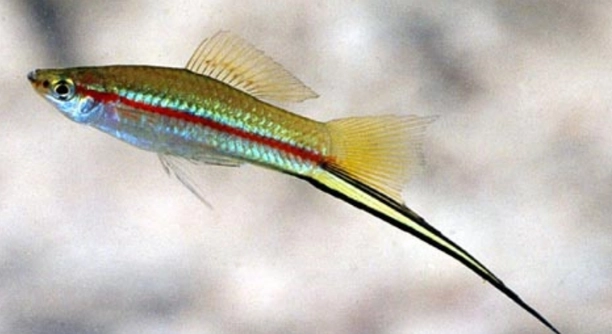
Swordtails are popular freshwater fish often admired for their vibrant colors. Their appearance can change throughout the day, and you may wonder if their mood affects their hues. Understanding this trait can help you better care for these beautiful creatures.
Swordtails do not change colors based on mood in the same way that some animals do. However, their colors can shift in response to environmental factors like stress, lighting, and health. These changes are usually subtle and temporary.
Knowing how these factors influence color changes can help you create the best environment for your swordtails. By managing their surroundings, you can ensure their health and well-being.
How Stress Affects Swordtail Colors
Swordtails are sensitive to stress, and it can cause noticeable changes in their colors. When stressed, they might appear duller or darker than usual. Factors like overcrowding, poor water quality, or aggressive tankmates can trigger stress. If you notice your swordtail’s color fading, it may be a sign that something is wrong in the tank environment. Monitoring their habitat and keeping it clean can prevent this.
Color changes due to stress are usually temporary. However, prolonged stress can weaken a swordtail’s immune system, leading to other health issues. Adjusting the environment and offering a peaceful space will help keep your fish healthy and colorful.
It’s important to recognize the signs of stress early. Regular water changes and proper filtration will help keep the water conditions stable. Reducing the number of aggressive fish and adding more hiding spots can also relieve stress. Swordtails, like other fish, thrive in stable, calm environments. Keeping an eye on their behavior and colors can help you make the necessary adjustments to improve their well-being.
Lighting and Its Impact on Swordtail Colors
The lighting in your aquarium plays a role in how vibrant your swordtail’s colors appear. Fish that are exposed to bright lights might look more colorful, while dim lighting can make their hues seem less intense. Swordtails may also adapt their colors to blend in with the environment.
Swordtails are naturally drawn to certain light levels. It’s important to provide lighting that mimics their natural habitat. A balance of light and shade encourages healthy growth and promotes the best color display. Too much artificial light, however, can cause stress and impact their health, leading to changes in color.
When setting up your aquarium, choose a light that fits your swordtail’s needs. Opt for a gentle, balanced light cycle with day and night periods. Overexposure to artificial light can cause them to become stressed, which affects their appearance and behavior. A well-lit tank that includes areas of shadow will allow your swordtails to show their best colors without the risks of overexposure.
Health Issues and Their Effect on Swordtail Colors
Swordtails can experience color changes when they’re not feeling well. Illnesses like fin rot or parasites can cause their colors to fade or look blotchy. If your swordtail’s skin looks pale or uneven, it’s worth checking for any signs of disease. A quick response can help restore their vibrancy.
If a swordtail is sick, their immune system becomes weak, and it can affect their natural coloring. Treating the illness as soon as possible is important to prevent further health decline. It’s recommended to isolate the affected fish to reduce the spread of any potential infection to other tankmates. Maintaining good water quality and a balanced diet is essential for keeping them healthy.
Swordtails that experience poor health may also become lethargic or display abnormal behaviors. These changes often coincide with a duller or irregular color pattern. Regular health checks, clean tank water, and proper nutrition are crucial. A healthy fish will not only be more vibrant but also more active and social.
The Role of Genetics in Swordtail Color Variations
Genetics play a major role in the range of colors that swordtails can display. The genetic makeup of each swordtail determines its ability to show vibrant colors, including reds, oranges, and yellows. Some swordtails may naturally have more muted tones due to their genetic background.
Selective breeding has led to a wide variety of swordtail colorations. This includes hybrids with brighter or more unique colors that are not typically found in wild swordtails. The offspring of these fish can inherit different traits depending on the parents, which is why some swordtails display unusual color patterns.
If you’re looking for a specific color variation, it’s best to choose swordtails from breeders who specialize in those traits. Keep in mind that genetics also affect the health and lifespan of the fish. While bright colors are beautiful, ensuring the fish’s overall health is more important for a long-lasting aquarium experience.
Water Temperature and Swordtail Color Changes
Water temperature can impact swordtail color. If the water is too warm or too cold, it may cause them to become stressed or less vibrant. Keeping the temperature within the ideal range ensures they stay healthy and colorful. Swordtails prefer water between 72-79°F (22-26°C).
If the water temperature fluctuates too much, the swordtail may exhibit duller or darker colors. Consistent temperatures help maintain their natural colors and overall health. Using a reliable heater and thermometer in the aquarium can stabilize the water temperature, preventing any sudden shifts. This helps swordtails maintain their vibrant appearance.
Feeding and Nutrition
A balanced diet is crucial for maintaining the color of your swordtail. Nutrients in their food, like carotenoids, enhance their coloration, especially in the reds and oranges. Regularly feeding them high-quality flake food, frozen, or live foods can provide these essential nutrients and keep them vibrant.
If the swordtail’s diet lacks these nutrients, their colors may become dull over time. Offering a variety of foods will not only promote better health but also brighter colors. Foods that are rich in color-enhancing pigments help to bring out the natural hues in swordtails. Ensuring a healthy diet supports both their well-being and appearance.
Swordtails and Natural Light Exposure
Swordtails benefit from natural light exposure, though too much direct sunlight can cause algae growth and stress. A balanced amount of natural light can enhance their color and overall health, mimicking their natural habitat. Artificial lighting can supplement their needs.
A tank that gets indirect sunlight for part of the day can keep swordtails active and looking their best. However, too much direct sunlight can lead to issues like fluctuating temperatures and algae overgrowth, both of which can negatively affect the fish’s health.
FAQ
Can swordtails change colors based on their environment?
Yes, swordtails can change their color in response to environmental factors. If the water quality isn’t ideal or the tank is overcrowded, their colors may fade. Changes in light levels can also influence how vibrant they appear. While this isn’t a permanent color change, it’s often a temporary reaction to stress or discomfort. Providing stable water conditions, proper lighting, and space in the tank can help keep their colors bright.
Why do swordtails sometimes appear darker?
Swordtails may appear darker due to stress, illness, or environmental changes. Poor water conditions, like high ammonia or nitrite levels, can cause them to appear darker. Additionally, stress from aggressive tankmates or overcrowding can lead to color changes. To prevent this, make sure the water is clean, maintain proper temperature, and avoid adding too many fish to the tank.
Do swordtails change colors during mating?
During mating, swordtails can display more vibrant colors. The males often become more colorful to attract females. Their fins may also become more pronounced, and their body colors might intensify. This temporary color change helps them stand out during the breeding process. Once the mating behavior ends, the colors may return to their usual shades.
Can swordtails’ colors change if they are sick?
Yes, swordtails can lose their color when they are sick. Illnesses like parasites, fungal infections, or bacterial diseases can cause them to appear pale or dull. If you notice this, it’s important to isolate the sick fish and treat the problem immediately. Keeping the tank clean and ensuring that the swordtail has a balanced diet can help prevent many health issues.
Do swordtails need special lighting to maintain their colors?
Swordtails do not require special lighting to maintain their colors, but the right lighting can enhance their vibrancy. A gentle aquarium light that mimics natural sunlight will help bring out the best in their appearance. Avoid harsh, direct lighting, as it can cause stress and negatively affect their health. A balanced light cycle of 10 to 12 hours a day is ideal.
How does water quality affect swordtail colors?
Water quality plays a huge role in the vibrancy of swordtails. Poor water quality, especially high ammonia or nitrate levels, can stress the fish and lead to color loss. Regular water changes, proper filtration, and monitoring water parameters are essential to keeping swordtails healthy and colorful. Using a water conditioner can also help reduce harmful toxins.
Can swordtails lose their color permanently?
Swordtails can lose their color permanently if exposed to chronic stress, poor water quality, or prolonged illness. However, if the environment improves and the fish recovers, they may regain their color. Proper care, including regular water changes, a balanced diet, and a stable tank environment, can help prevent long-term color loss.
Why do my swordtails look pale or washed out?
If your swordtails look pale or washed out, it’s often a sign of stress, poor nutrition, or a health issue. Stress factors like high tank traffic, aggressive tankmates, or incorrect water parameters can lead to this. Make sure the tank environment is suitable for swordtails and that they are eating a nutrient-rich diet.
Do swordtails’ colors change with age?
Yes, swordtails can experience color changes as they age. Younger swordtails tend to have brighter colors, while older fish may have more muted tones. However, their overall coloration should remain stable if they are healthy. Regular maintenance of tank conditions and diet will help maintain their color throughout their lifespan.
Can the colors of swordtails change during different seasons?
Swordtails do not typically change color with the seasons like some animals do. However, fluctuations in temperature and light during different times of the year can affect their appearance. If the temperature drops or rises significantly, it may cause temporary color changes due to stress or health issues. Keeping their environment stable year-round is key to preventing this.
How can I help my swordtails maintain vibrant colors?
To help your swordtails maintain vibrant colors, make sure they have a clean tank, proper lighting, and a balanced diet. Avoid overcrowding the tank, as this can cause stress, which may dull their colors. Include foods rich in carotenoids, such as spirulina or brine shrimp, to enhance their natural colors. Regular water changes and consistent temperatures will also support their health and brightness.
Do swordtails need specific water conditions for optimal color?
Swordtails thrive in water with a pH level between 7.0 and 8.0, and a temperature range of 72-79°F (22-26°C). Keeping these parameters stable is important for their overall health and vibrant coloration. Ensure proper filtration to keep the water clean, and avoid sudden changes in water conditions that could stress the fish and affect their colors.
How do I know if my swordtail is stressed and causing color changes?
Signs of stress in swordtails include faded or darker colors, erratic swimming behavior, and hiding more than usual. Stress can be caused by several factors, such as poor water quality, aggressive tankmates, overcrowding, or abrupt changes in temperature. Addressing these issues quickly can help reduce stress and return the swordtail’s colors to their usual vibrancy.
Can diet affect swordtail color?
Yes, diet has a significant impact on the color of swordtails. A diet rich in carotenoids and other natural pigments will bring out their vibrant colors. Foods like spirulina, shrimp, and high-quality fish flakes contain the nutrients swordtails need to maintain bright reds, oranges, and yellows. Regular feeding with a balanced diet helps keep them healthy and colorful.
Final Thoughts
Swordtails are beautiful and colorful fish, but their vibrant hues can change depending on several factors. While they don’t change colors based on mood like some other animals, their environment, health, and diet play a major role in how bright or dull their colors appear. Stress, poor water quality, and illness can cause them to look less vibrant, while good care and a balanced diet can help them stay colorful. Understanding these factors is key to providing the best environment for your swordtails.
By maintaining stable water conditions, offering a variety of high-quality foods, and making sure the tank is not overcrowded, you can help swordtails maintain their beautiful colors. Lighting also plays an important role in their appearance. Natural light or gentle artificial lighting is ideal, as harsh or too much light can cause stress or lead to algae growth in the tank. Keeping the tank clean and monitoring water temperature ensures that your swordtails will feel comfortable, helping them stay healthy and colorful.
Overall, swordtails are relatively easy to care for as long as their basic needs are met. They may not change colors due to mood, but their colors will shift in response to environmental stressors or health problems. By keeping a close eye on their surroundings and providing a proper diet, your swordtails will remain vibrant and beautiful. Their colors are a reflection of their well-being, so providing a calm, clean, and stable environment will give them the best chance to thrive.

Hello,
If you enjoy the content that we create, please consider saying a "Thank You!" by leaving a tip.
Every little bit helps us continue crafting quality advice that supports the health, happiness, and well-being of pets around the world, for pets of all shapes, sizes, and species.
We really appreciate the kindness and support that you show us!