
Swordtails and platies are popular aquarium fish with similar care requirements. Many fish enthusiasts often wonder if these two species can breed with each other. Understanding their biology can help clarify this common question.
Swordtails and platies can breed with each other as they belong to the same genus, Xiphophorus. This hybridization results in fertile offspring, often called platies or swordtail hybrids, depending on the traits inherited from each parent species.
Knowing how these hybrids are formed can help you decide if you want to try breeding swordtails and platies together in your tank. Understanding their differences and similarities will be key to your decision.
What Are Swordtails and Platies?
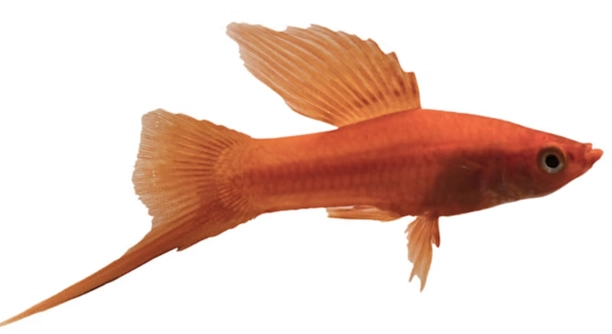
Swordtails and platies are small, colorful fish that are often kept in freshwater aquariums. Both species are part of the Xiphophorus genus, which means they share a lot of similarities in terms of behavior, size, and care requirements. Swordtails are known for their unique tail, which resembles a sword, while platies have a more traditional, round tail shape. Both species come in a variety of vibrant colors, making them popular choices for aquarium owners looking to add some life to their tanks.
Although they may look different, swordtails and platies are compatible in terms of their water needs and general care. They thrive in similar water temperatures, pH levels, and tank conditions. This makes them an ideal pairing in community tanks. They are also peaceful fish, so they generally get along with other species. As both species are livebearers, they are relatively easy to breed under the right conditions.
When deciding whether to house swordtails and platies together, it’s important to keep their compatibility in mind. If you’re looking for a colorful and active aquarium, these two species can coexist without issue.
Can They Really Breed?
Swordtails and platies can breed together since they belong to the same genus, Xiphophorus. The result is hybrid offspring, which inherit traits from both species, like size and tail shape. These hybrids are typically fertile and can continue reproducing.
The hybrid offspring from swordtail and platy breeding may inherit features from both parents. The offspring’s tail shape could be a mix, potentially resembling either a sword or a more traditional platy tail. Additionally, the hybrid fish may have varied colors, influenced by the parent fish’s coloration. The fertility of these hybrids means they can continue reproducing, although the offspring might show a variety of characteristics.
Breeding these two species is possible in an aquarium if both species are present. While some aquarium owners may intentionally breed swordtails and platies, others may notice unexpected hybrids appearing. This can sometimes lead to confusion, especially if you’re not familiar with the hybrid traits.
Should You Breed Them?
Breeding swordtails and platies can be an interesting experiment, but it’s not always something that every aquarium owner will want to do. These hybrids are typically healthy, but breeding them can lead to a range of colors and tail shapes, making them a bit unpredictable. If you’re looking for consistent traits, breeding these two species may not be the best choice. However, for those who are okay with a bit of variety, these hybrids can add some unique fish to your tank.
The decision to breed swordtails and platies ultimately depends on your preferences. Some people enjoy the surprise of what their hybrid fish will look like, while others prefer the predictability of breeding fish with more consistent characteristics. One thing to keep in mind is that breeding these fish is relatively easy, as they are both livebearers. This means they do not lay eggs but instead give birth to live young. So, if you do allow them to breed, you’ll soon have a tank full of tiny baby fish to care for.
Ultimately, breeding swordtails and platies can be a fun and rewarding experience, especially if you don’t mind the mix of colors and traits that come with hybrid offspring.
Breeding Conditions for Swordtails and Platies
To successfully breed swordtails and platies, you need to ensure proper tank conditions. They thrive in temperatures between 72-78°F (22-26°C) with a neutral pH level of around 7.0. Clean water is essential, so regular water changes are recommended to prevent disease and ensure healthy breeding conditions.
The tank should also have enough space for both species to swim freely. A well-planted aquarium with hiding spots is ideal, as it provides the fish with places to retreat. Swordtails and platies will feel more comfortable, and this increases the likelihood of successful breeding. Make sure the tank is not overcrowded, as stress can negatively affect breeding.
Another important factor is ensuring a balanced ratio of males and females. A higher number of females is recommended to reduce stress on the females, as males can be quite persistent during mating. Adding live plants, like java moss, also helps provide hiding spaces for baby fish after birth.
Caring for Hybrid Offspring
Once your swordtail and platy breed, the next step is caring for the hybrid offspring. These tiny fish need a separate tank for the first few weeks to ensure their survival. The parents may inadvertently eat the babies, so isolating them is a good idea.
After birth, the hybrids will be small, but they grow quickly in the right conditions. Feed them high-quality baby fish food, such as liquid fry food or powdered flakes, to support their growth. Ensure the water temperature is kept stable, and the tank is well-maintained. Regular water changes will help prevent the build-up of waste, which could harm the fry.
As they grow, you may notice some differences in their appearance compared to their parents. These differences, including varying tail shapes and color patterns, can make the hybrid offspring quite interesting to observe.
Gender Ratios and Breeding Behavior
For successful breeding, it’s essential to have a good male-to-female ratio. A 1:2 or 1:3 ratio of males to females works well. Males tend to be more active, and having multiple females reduces stress on them.
If you have too many males in your tank, the females can become stressed due to constant mating attempts. To avoid this, keep a higher number of females. This also helps maintain a peaceful environment in the tank. Males will focus on courting the females, while females can freely swim without constant interruption.
Observing Hybrid Traits
Once hybrid offspring are born, you’ll notice a mix of traits from both swordtails and platies. These hybrids may have a combination of tail shapes and color patterns, varying from one fish to another. Some may look more like platies, while others resemble swordtails.
The hybrids are usually colorful, but their appearance can be unpredictable. Since these fish are a mix of two species, they can inherit characteristics from either parent. The variability in their appearance is one of the fun aspects of breeding swordtails and platies together.
Tank Maintenance After Breeding
After breeding, it’s crucial to maintain the tank environment to support the health of both adult fish and any offspring. Regular water changes are necessary to ensure the water stays clean and free of waste. Keep an eye on water quality, as poor conditions can lead to illness.
Providing sufficient filtration will also help keep the water clean and prevent the build-up of harmful toxins. Regularly remove excess food and any debris that accumulates at the bottom of the tank. This will keep the environment stable, ensuring your fish thrive.
FAQ
Can swordtails and platies crossbreed?
Yes, swordtails and platies can crossbreed because they belong to the same genus, Xiphophorus. The offspring, often called hybrids, can inherit traits from both parents, such as tail shape and color. This hybridization is common in aquarium settings, especially when both species are kept in the same tank.
What do hybrid swordtail and platy babies look like?
The appearance of hybrid babies can vary widely. Some may inherit swordtail-like tails, while others will have a round platy tail. The colors can also be a mix of both species, leading to a range of hues and patterns. It’s part of the fun of breeding them—each hybrid fish may look a bit different from the others.
Do hybrids from swordtails and platies survive easily?
Generally, hybrid offspring from swordtails and platies are quite hardy. However, like all baby fish, they need proper care to survive. They should be kept in a separate tank to avoid being eaten by the parents or other tank mates. Ensure that the water quality is optimal and provide appropriate food for their growth.
Are hybrid swordtails and platies fertile?
Yes, hybrid swordtails and platies are typically fertile. This means that the offspring of hybrids can continue to breed, potentially creating more hybrids. However, it’s worth noting that some hybrid fish may show less consistency in traits, and their offspring may be more variable in appearance compared to purebred fish.
How do I know if my swordtail and platy are breeding?
You can tell that your swordtail and platy are breeding if you notice the female becoming pregnant. Female swordtails and platies carry their young for around 4-6 weeks before giving birth. During this time, the females may appear rounder as the babies grow inside them. If you spot the males constantly chasing or following the females, that’s another sign that mating behavior is occurring.
What should I do with the fry once they’re born?
Once the fry are born, it’s best to move them into a separate tank or a breeder box to protect them from being eaten by the adults. Feed them small, nutritious food like liquid fry food or powdered fish flakes. Make sure the water temperature is stable and suitable for their growth.
Do I need to worry about inbreeding with hybrids?
Inbreeding can become a concern if hybrid offspring are bred with their parents or siblings. Over time, this can result in genetic problems or weaker fish. To avoid this, it’s best to either separate the hybrids or breed them with other swordtails or platies to maintain healthy genetic diversity.
Can swordtail and platy hybrids live with other fish?
Yes, swordtail and platy hybrids can generally live with other peaceful species. Like their parent species, hybrids are friendly and non-aggressive, making them great community tank fish. Just ensure that the tank mates are compatible in terms of size and temperament. Avoid aggressive or fin-nipping species.
How do I tell if a swordtail or platy is male or female?
Male swordtails and platies are typically smaller and more colorful than females. Males also have a modified fin, known as a gonopodium, which is used to fertilize the female. Female swordtails and platies are larger, less colorful, and have a more rounded body shape, especially when pregnant.
What is the lifespan of a hybrid swordtail or platy?
Hybrid swordtails and platies typically live around 3 to 5 years, just like their parent species. The lifespan can vary depending on water quality, diet, and overall care. Keeping the tank clean, maintaining proper water parameters, and feeding a balanced diet will help ensure they live a full life.
Can I keep multiple species of fish in the same tank with swordtails and platies?
Yes, swordtails and platies can coexist with many other species, provided those fish are peaceful and share similar water requirements. Some great tank mates include tetras, mollies, and guppies. Avoid keeping them with aggressive fish that may harass the swordtails or platies.
Do swordtails and platies need a special diet?
Swordtails and platies have relatively simple dietary needs. They can thrive on a varied diet of high-quality flakes, pellets, and occasional live or frozen foods like brine shrimp or daphnia. Providing a variety of foods ensures they get all the necessary nutrients for growth and health.
Will hybrid swordtails and platies breed with each other?
Yes, hybrid swordtails and platies can breed with each other, resulting in offspring that may show even more diverse traits. These hybrid fish are fertile, so it’s possible that they can continue to breed, producing further generations of mixed characteristics.
How can I prevent my swordtail or platy from breeding?
If you don’t want your swordtails or platies to breed, you can separate males from females or keep only one gender in the tank. Alternatively, you can introduce fish of the same sex to prevent mating. Some fish owners choose to keep only one sex to avoid unplanned breeding.
What temperature should the tank be for swordtails and platies?
Swordtails and platies thrive in water temperatures between 72°F and 78°F (22°C – 26°C). Consistent temperature within this range helps maintain their health and encourages breeding. If the water temperature fluctuates too much, it can cause stress, which may affect both the fish’s well-being and breeding success.
How often should I change the water for swordtails and platies?
Regular water changes are important for maintaining a healthy environment for swordtails and platies. A good rule of thumb is to change 20-25% of the water every week. This helps keep the water clean, reduces toxins, and supports the overall health of the fish, including any fry that may be born.
What is the ideal tank size for swordtails and platies?
A tank size of at least 20 gallons is recommended for swordtails and platies, especially if you plan to keep multiple fish. This gives them enough space to swim and reduces stress. If you have hybrid fry, a larger tank or separate breeding tank will be necessary to give them room to grow.
Final Thoughts
Swordtails and platies are both vibrant and easy-to-care-for fish, making them popular choices for aquarium owners. When kept in the same tank, these two species can indeed breed with each other, creating hybrid offspring that share traits from both parents. These hybrids can be interesting to observe, as they may inherit various color patterns and tail shapes. However, it’s important to understand that while breeding them can be fun, it also introduces the unpredictability of hybrid traits in the offspring. The appearance of these hybrids can vary from one to another, making each baby fish unique.
If you decide to breed swordtails and platies, keeping the tank in optimal condition is key. Ensure the water temperature, pH level, and filtration are all in the right range to support both adult fish and their babies. A good male-to-female ratio can help reduce stress during the breeding process, and it’s essential to have plenty of hiding spots for the fry once they are born. This gives them a safe space to grow and develop away from the adult fish, who may eat them if given the chance. Regular water changes will also help maintain a healthy environment for all the fish in your tank.
Lastly, remember that breeding swordtails and platies requires some responsibility. While these fish are relatively easy to care for, the presence of hybrids may lead to overpopulation in the tank. If you’re not prepared to care for the growing number of fry, it’s best to prevent breeding altogether. This can be done by keeping only one sex in the tank or separating males and females. By understanding how swordtails and platies interact and breed, you can create a balanced and healthy environment for both species in your aquarium.

Hello,
If you enjoy the content that we create, please consider saying a "Thank You!" by leaving a tip.
Every little bit helps us continue crafting quality advice that supports the health, happiness, and well-being of pets around the world, for pets of all shapes, sizes, and species.
We really appreciate the kindness and support that you show us!