
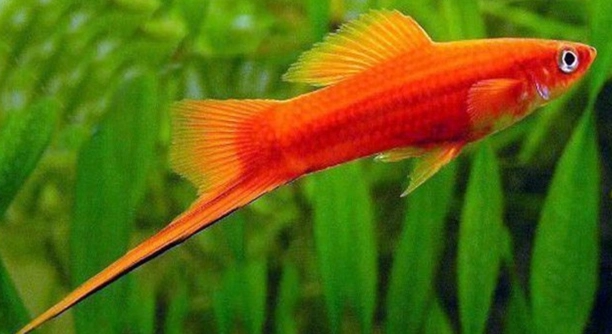
Have you ever set up a community tank and wondered how well your swordtails will get along with other fish species?
Swordtails can bond or coexist peacefully with specific fish, especially those of similar size and temperament. Compatibility depends on water conditions, tank space, and individual fish behavior. Aggressive or overly timid fish may cause issues.
Different fish bring different dynamics to the tank, and knowing what works best with swordtails makes for a happier aquatic home.
Understanding Swordtail Behavior in Community Tanks
Swordtails are active, social fish that enjoy swimming in groups. They are generally peaceful and do well in community tanks when paired with species that share similar needs. Swordtails prefer a bit of space and thrive in tanks with plants, open swimming areas, and stable water conditions. They are not aggressive by nature, but males may sometimes chase one another during mating displays. Because of this, it’s often best to keep more females than males. When placed with compatible fish like mollies, platies, or tetras, swordtails usually adapt well and exhibit natural, healthy behavior. However, they may feel stressed or act defensively if housed with aggressive or overly territorial fish. This can lead to health issues and disrupted social behavior. Paying attention to tank size, water parameters, and proper stocking helps maintain balance. With the right setup, swordtails will display a calm, interactive presence in your tank.
Swordtails are more confident and active when surrounded by peaceful tank mates. This gives them the space and safety to interact freely without feeling threatened.
Even though they are not schooling fish, swordtails enjoy being around other fish that won’t pick on them. They tend to explore more and show brighter colors when comfortable. Fish like corydoras and peaceful livebearers usually make great tank mates. Avoid fish that nip fins or show dominant behaviors, as swordtails don’t respond well to pressure or bullying. Watching their interactions regularly can help you spot early signs of stress, like hiding or lack of appetite. Ensuring a stable environment lets your swordtails live more peacefully and comfortably with the right companions.
Best Fish to Pair With Swordtails
Choose peaceful and similarly sized fish to reduce conflict in your tank. Avoid pairing them with larger, aggressive species that may intimidate or harm them.
Good options to pair with swordtails include platies, mollies, guppies, danios, and some types of tetras. These fish share similar water temperature and pH needs, making them easy to care for alongside swordtails. Corydoras catfish are also a solid choice, as they stick to the bottom of the tank and rarely bother other fish. Avoid housing swordtails with fin-nippers like barbs or fish that show strong territorial behavior. A tank with multiple hiding spots and a balanced male-to-female swordtail ratio will help reduce stress and chasing. Introducing fish at the same time rather than one by one also supports smoother interactions. Observing fish behavior for a few days after new additions can help you make changes if needed. A peaceful tank setup allows swordtails to bond better with tank mates over time.
Signs Your Swordtail Is Getting Along With Other Fish
Swordtails that get along well with others will swim freely, eat regularly, and show no signs of hiding or aggression. Their colors often appear brighter, and they interact calmly with nearby fish without nipping or chasing.
If your swordtail is bonding well with its tank mates, you’ll notice relaxed swimming patterns and shared space use without tension. They may follow other fish playfully but without aggression. During feeding time, swordtails that feel comfortable will eat confidently without retreating. Lack of torn fins, aggressive flaring, or erratic swimming is another good sign. Watching them explore the tank with others nearby and occasionally resting near companions means they feel safe and are adjusting well. A calm environment allows them to develop familiar behavior patterns. Keep an eye on how they act during the day; consistent interaction and no signs of dominance are key indicators of harmony.
Sometimes bonding looks more subtle. A swordtail that rests near a group of peaceful fish or mirrors their movements is showing signs of comfort and social adjustment. They don’t need to be overly interactive to be getting along. Just existing side by side without friction or stress can mean things are going well. If the tank stays calm and everyone keeps to their space while occasionally swimming together, your swordtail is likely thriving. Keep the tank clean, provide plants for hiding, and give them enough room to swim. All of this supports long-term peaceful behavior. The better the environment, the more likely your fish will form peaceful habits and settle in comfortably.
Signs of Stress or Aggression in Swordtails
A stressed swordtail may hide, lose its appetite, or show faded color. You might also see them swimming erratically or isolating themselves from the rest of the tank.
Aggression in swordtails often appears as chasing, fin-nipping, or dominating certain areas of the tank. This behavior may be directed toward fish of the same sex or toward species with long, flowing fins. If you notice a swordtail constantly bothering others, it could be a sign that your tank is overstocked or lacks proper hiding spots. Stress can also lead to sudden changes in swimming behavior, such as darting around the tank or hovering near the surface. You may even hear a slight clicking noise from equipment as they bump into glass or decorations while fleeing. Regular monitoring of behavior and quick adjustments to tank layout, stocking levels, or water quality can prevent these problems from escalating.
How to Help Swordtails Bond Better
Make sure the tank is large enough and has plenty of space for swimming. Add plants, hiding spots, and smooth decorations to give all fish a place to retreat and feel safe.
Keep water conditions stable and avoid sudden changes. Add new fish slowly, and try to introduce similar-sized, peaceful species to reduce tension.
What to Avoid When Pairing Swordtails
Avoid aggressive fish like tiger barbs or large cichlids, as they may intimidate or harm swordtails. Also, avoid fin-nippers or overly active species that cause stress. Don’t overcrowd the tank, and steer clear of keeping too many males, which may lead to fighting. Never mix species that require different water parameters. A peaceful setup works best when tank mates have similar care needs. Watch for signs of bullying, like torn fins or hiding. Rearranging the tank or separating aggressive fish can help. Planning carefully before adding new fish reduces future problems and creates a stable environment where swordtails can bond peacefully with others.
Tank Size and Setup Tips
A minimum tank size of 20 gallons is ideal for swordtails, giving them room to swim and reducing territorial issues.
FAQ
Can swordtails live with aggressive fish?
Swordtails are peaceful fish and generally do not fare well with aggressive species. While they are social and thrive in a community setting, keeping them with aggressive fish like cichlids, larger barbs, or aggressive tetras can lead to stress, injury, and even death. Aggressive fish may chase, nip fins, or create a constant state of tension in the tank, affecting the swordtail’s health. It’s best to pair swordtails with peaceful species that are similar in size and temperament to ensure a stress-free environment.
What is the ideal water temperature for swordtails?
Swordtails prefer warm water, with the ideal temperature range between 72°F and 82°F (22°C to 28°C). They are tropical fish, and maintaining this range will ensure their health and comfort. Fluctuations in water temperature can stress them out, potentially making them more susceptible to disease. Use a reliable heater and thermometer to maintain a consistent temperature in the tank.
Can swordtails live with other livebearers?
Yes, swordtails generally get along well with other livebearers like platies, mollies, and guppies. These species share similar water requirements, such as temperature, pH, and hardness. They also have similar social behaviors, making them ideal tank mates for swordtails. Just be mindful of the male-to-female ratio for swordtails to avoid any territorial behavior or aggression during mating.
How many swordtails should I keep together?
Swordtails are social fish and do best when kept in groups. It’s recommended to keep at least three or more swordtails in a tank, with a higher number of females than males to reduce aggression. Males may sometimes chase one another, especially during mating displays, so ensuring more females helps maintain peace. A balanced group will encourage natural social behavior and prevent stress.
What should I feed my swordtail fish?
Swordtails are omnivores, so their diet should include a mix of high-quality flake food, frozen or live foods like brine shrimp, and vegetable matter. You can also offer them blanched vegetables like spinach, peas, and zucchini. A varied diet promotes vibrant colors, healthy growth, and longevity. Be sure to feed them in small amounts, as overfeeding can lead to poor water quality.
How do I know if my swordtail is sick?
Signs of illness in swordtails include faded color, lack of appetite, erratic swimming, or hiding more than usual. You might also notice swollen or damaged fins, white spots on the body, or labored breathing. It’s essential to isolate sick fish in a quarantine tank to prevent the spread of illness and adjust water conditions to optimize their health. Consulting a vet or experienced fish keeper can help identify and treat any issues.
Can swordtails breed in a community tank?
Yes, swordtails can breed in a community tank, but you may want to separate males and females if you don’t want to deal with fry. Female swordtails can store sperm for several months and give birth to live young. If you’re not ready to manage baby swordtails, consider separating the sexes or using a breeding trap for the females to drop their fry safely away from adult fish that may eat them.
Do swordtails need a filter?
Yes, a filter is essential for maintaining clean water and ensuring the health of your swordtails. These fish prefer well-oxygenated water, and a filter helps keep the tank water circulating and free of harmful toxins. Choose a filter with appropriate flow for the size of the tank to avoid creating strong currents that may stress out your swordtails.
How often should I clean my swordtail tank?
Regular water changes are crucial for maintaining water quality. Aim to change 25-30% of the tank’s water every week. In addition to water changes, you should also clean the substrate and remove any debris or uneaten food. A monthly deep clean, including cleaning the filter and decorations, will help prevent the build-up of algae and waste that can harm your swordtails.
Can swordtails live in a tank without plants?
While swordtails can survive in a tank without plants, they do much better in an environment with live plants. Plants provide hiding spots, help maintain water quality, and offer a more natural, comfortable environment for swordtails. Plants like java fern, Anubias, or hornwort are great choices for swordtail tanks and also provide shelter for smaller fish or fry.
How long do swordtails live?
Swordtails have an average lifespan of 3 to 5 years, though with proper care, they can sometimes live longer. Maintaining good water quality, a balanced diet, and an appropriately sized tank will help extend their lifespan. Regular monitoring of their health and tank conditions is key to ensuring they live a full, healthy life.
Final Thoughts
Swordtails are relatively easy to care for and can make great additions to a peaceful community tank. They are social fish that thrive in groups, and their active, colorful nature adds vibrancy to any aquarium. While they are generally peaceful, choosing the right tank mates is important to ensure their well-being. Swordtails do best with fish of similar size and temperament, and it’s essential to avoid overly aggressive species that may cause stress or injury. Keeping an eye on their behavior and tank conditions will help you spot any potential issues early on.
When it comes to tank setup, providing enough space for your swordtails to swim comfortably is key. A tank with live plants, hiding spots, and open swimming areas will create a more natural environment and reduce stress. Maintaining stable water conditions, including the right temperature, pH, and filtration, is also crucial for swordtail health. Regular water changes and tank cleanings will keep the environment clean and safe. Ensuring that your swordtails have plenty of room to interact with each other and other peaceful fish will help them develop healthy social behaviors.
Overall, swordtails are a wonderful choice for both beginner and experienced fish keepers. Their peaceful nature, combined with their colorful appearance, makes them an excellent option for community tanks. However, careful planning of tank mates and regular maintenance are essential for keeping your swordtails happy and healthy. By providing a stress-free environment and ensuring that they have the proper care, swordtails can live happily with other compatible fish for years to come.

Hello,
If you enjoy the content that we create, please consider saying a "Thank You!" by leaving a tip.
Every little bit helps us continue crafting quality advice that supports the health, happiness, and well-being of pets around the world, for pets of all shapes, sizes, and species.
We really appreciate the kindness and support that you show us!