
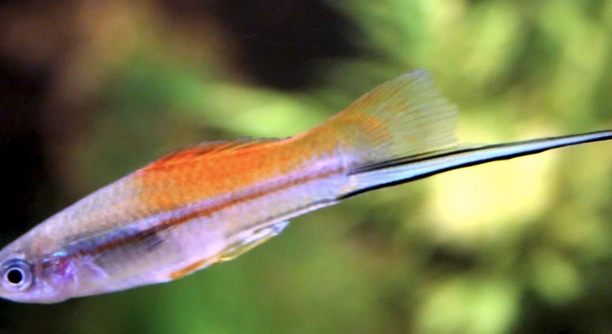
Swordtails are popular aquarium fish, known for their vibrant colors and active nature. However, when it comes to bonding with other fish, some may wonder if they are social or territorial. This question is essential for maintaining a peaceful aquarium.
Swordtails are generally peaceful and can bond with a variety of fish, especially those with similar temperaments. They thrive in community tanks with non-aggressive species, provided there is enough space and proper care to avoid territorial disputes.
Understanding the dynamics of fish behavior will help create a balanced and harmonious environment for swordtails and their tank mates.
Swordtail Behavior in the Tank
Swordtails are generally known for their active and peaceful nature. They prefer to swim in groups and are quite social, which is a positive trait when considering them in a community tank. However, it’s important to note that their behavior can sometimes vary based on their environment. Swordtails are not as territorial as other fish species, but they can display aggression if overcrowded or stressed. The dynamics of the tank should be balanced with enough space for each fish to establish its territory without causing conflict. These fish are also known to be active swimmers, which means providing plenty of hiding spots or plants will help reduce potential stressors. It’s vital to consider tank mates that share a similar peaceful temperament to avoid aggression.
Swordtails are social fish and can live harmoniously with many species. They require space to move freely and hide when needed.
A peaceful environment in the tank helps swordtails thrive. Ensuring that tank mates are non-aggressive and there is enough space to swim can minimize stress. Overcrowding can lead to territorial disputes, causing stress for all fish. To prevent this, maintain a balanced and spacious tank, which promotes healthy fish behavior and overall well-being. This ensures swordtails can live harmoniously with other species while displaying their naturally calm behavior.
Best Tank Mates for Swordtails
Swordtails do best with other peaceful species, especially those of similar size and temperament. Small, non-aggressive fish such as guppies, mollies, and neon tetras are often ideal tank mates. Avoid keeping them with overly territorial or aggressive species, which can lead to unnecessary stress.
Swordtails are social and thrive in community settings. It’s best to choose fish that are not too aggressive or too large. Some of the best tank mates for swordtails include platies, Corydoras catfish, and zebra danios. These fish are calm and share similar water requirements, making them compatible companions. Avoid species like bettas, which can show aggression. If the tank is well-planted with plenty of space, swordtails can coexist peacefully with other non-aggressive species. Keep in mind that swordtails may become more territorial in smaller tanks, so providing plenty of hiding spots is essential to maintaining a peaceful environment.
Consider the size and temperament of potential tank mates when choosing swordtail companions. Compatibility is key to creating a balanced aquarium. Larger or more aggressive species can stress swordtails, so opt for peaceful, small fish that allow for a harmonious community.
Tank Size and Space Considerations
Swordtails need adequate space to thrive. A tank that holds at least 20 gallons is ideal for a small group of swordtails. Crowding the tank can lead to stress, which affects their health and behavior.
A larger tank allows swordtails to swim freely and establish territories. It also provides more room for tank mates, reducing potential conflict. Swordtails are active swimmers, so giving them enough space is crucial. A cramped environment can lead to territorial disputes, affecting the overall well-being of all fish. When choosing tank mates, ensure the tank size is appropriate for the number of fish.
Opt for a tank size that allows for adequate swimming space and comfort. This minimizes stress and helps maintain a peaceful environment.
Water Quality and Maintenance
Swordtails require clean water with consistent parameters. Keeping the water temperature between 72-78°F and maintaining a neutral pH level will help them thrive. Regular water changes are essential to avoid the buildup of toxins.
Water quality directly affects swordtails’ health. Poor water conditions can lead to stress and illness. Regularly testing the water for ammonia, nitrites, and nitrates helps maintain a stable environment. Keep the filtration system running efficiently to remove waste, and ensure proper aeration to maintain oxygen levels. Clean water promotes better growth and more vibrant coloration in swordtails.
FAQ
Can swordtails live with aggressive fish?
Swordtails are generally peaceful and do better in tanks with other calm species. They can live with aggressive fish, but only in larger tanks where the aggressive fish can be monitored. Smaller or territorial fish, like bettas or cichlids, can stress swordtails out, leading to health problems or even injury. It’s best to avoid aggressive tank mates to ensure a peaceful environment for all fish.
Do swordtails need a group?
Swordtails are social creatures and prefer to live in groups. While they can survive alone, keeping them with at least two or three others allows them to display their natural behavior. A group helps reduce stress and provides them with more security. This also increases their chances of thriving in a community tank.
How do I know if my swordtail is stressed?
Swordtails show several signs when stressed, such as darting around the tank, hiding frequently, or losing their vibrant color. They may also stop eating or become more reclusive. Stress can be caused by poor water quality, overcrowding, incompatible tank mates, or improper tank conditions. It’s essential to observe their behavior regularly to catch any signs early.
What temperature should the water be for swordtails?
Swordtails prefer a water temperature between 72°F and 78°F. This range keeps them active and healthy. If the water temperature is too high or too low, it can stress them out, leading to health issues. A reliable heater should be used to maintain consistent water temperatures, especially in cooler environments.
Can swordtails live in freshwater?
Yes, swordtails are freshwater fish. They thrive in a range of freshwater environments, but the water conditions should be stable. Keeping the pH level between 7.0 and 8.0 and ensuring proper filtration and regular water changes will provide them with the best living conditions.
Do swordtails require a lot of space?
While swordtails are not as large as some other species, they still need plenty of space to swim freely. A tank of at least 20 gallons is ideal for a small group. Overcrowding can cause stress and territorial disputes, making it harder for them to coexist peacefully with other fish.
How often should I feed my swordtail?
Swordtails should be fed 2-3 times per day. They thrive on a varied diet, including high-quality flakes, pellets, and occasional live or frozen foods like brine shrimp. Be careful not to overfeed, as excess food can pollute the water, leading to poor water quality and health problems for the fish.
Can swordtails breed in a community tank?
Yes, swordtails are livebearers and can breed in a community tank. If you’re not interested in breeding, consider keeping only males, as they will not breed. However, if you have females, be prepared for fry and ensure there are plenty of hiding spots to protect them from larger fish.
What should I do if my swordtail is pregnant?
When a swordtail is pregnant, you can prepare for the birth of the fry by providing a separate breeding tank or using a breeding box. Pregnant swordtails can be kept in the main tank, but if there are larger fish, the fry may not survive. After the birth, remove the mother to prevent her from eating the fry.
How long do swordtails live?
Swordtails typically live for 3 to 5 years, depending on the conditions of their environment and the care they receive. A well-maintained tank with stable water quality and regular feeding can help extend their lifespan. Stress, poor water quality, and inappropriate tank mates can shorten their life expectancy.
Why is my swordtail’s color fading?
Fading color in swordtails can indicate stress, poor water quality, or an unhealthy diet. If your swordtail’s colors are dulling, check the water parameters and make sure the tank environment is suitable. Providing a balanced diet and a stress-free environment will help restore their natural vibrancy.
Do swordtails jump out of the tank?
Swordtails are not notorious jumpers, but they can jump out of the tank if they feel threatened or stressed. To prevent this, make sure your tank has a secure lid. Regularly checking water quality and minimizing sudden disturbances will help reduce stress and the likelihood of jumping.
How do I know if my swordtail is male or female?
Male swordtails are generally smaller and have a longer, sword-like extension on their tails. Female swordtails are larger, rounder, and lack the sword-like fin. The color of males is often more vibrant compared to females. These physical differences are easy to spot once the fish reach maturity.
Can swordtails tolerate salt in the water?
Swordtails can tolerate slightly brackish water, but they do not require it. If you’re keeping them in a freshwater setup, avoid adding salt to the tank unless it’s for specific medicinal purposes. Excess salt can harm swordtails and other freshwater fish in the tank. Always monitor salt levels carefully if you choose to use it.
Final Thoughts
Swordtails are relatively easy to care for, making them a popular choice for both beginner and experienced aquarium owners. They are active, peaceful fish that thrive in community tanks when kept with compatible species. With the right care, swordtails can live for several years, adding vibrant color and movement to your tank. However, it’s important to ensure their environment is well-maintained, as they are sensitive to water quality and temperature changes. Regular water changes, appropriate tank size, and a proper diet are essential for keeping swordtails healthy and happy.
When selecting tank mates for swordtails, it’s best to choose peaceful fish of similar size and temperament. Avoid keeping them with aggressive species, as this can lead to stress and injuries. Incompatible tank mates can disrupt the peaceful nature of the aquarium, so it’s crucial to plan the community tank carefully. Swordtails also do well in groups of their own kind, and they feel more secure in the presence of other swordtails. A well-planted tank with plenty of swimming space and hiding spots will ensure a stress-free environment.
Finally, swordtails are relatively low-maintenance, but they do require attention to water quality and consistent care. Keeping the water temperature within their ideal range and monitoring pH levels can prevent stress and health issues. Regularly checking for signs of stress or illness is crucial, as early intervention can prevent bigger problems. With the right environment and care, swordtails can live a long, healthy life and bring enjoyment to any aquarium.

Hello,
If you enjoy the content that we create, please consider saying a "Thank You!" by leaving a tip.
Every little bit helps us continue crafting quality advice that supports the health, happiness, and well-being of pets around the world, for pets of all shapes, sizes, and species.
We really appreciate the kindness and support that you show us!