
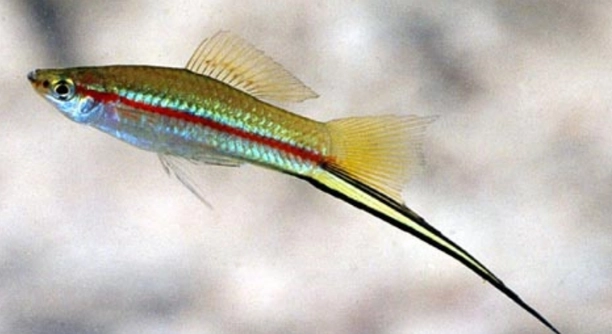
Swordtails are active fish that may react to sudden movements in their environment. Understanding how they respond to changes around them can be helpful for creating a calm space for these vibrant aquarium dwellers.
Swordtails can be startled by sudden movements, as they are sensitive to changes in their surroundings. Quick or large motions near the tank may cause stress, leading to erratic swimming behavior or hiding.
By knowing how these fish react to their environment, you can create a peaceful and safe aquarium that promotes their well-being.
Swordtails’ Sensitivity to Movement
Swordtails are highly sensitive to changes in their environment. Their natural instinct is to remain aware of potential threats, and any sudden movement near the tank can trigger a fear response. This can cause them to swim rapidly or dart into hiding. Maintaining a calm atmosphere in the aquarium helps swordtails feel secure and reduce stress. A peaceful environment ensures that these fish are able to thrive and exhibit their natural behaviors.
Creating a stable environment also promotes their overall health. Keeping sudden movements to a minimum can prevent excessive stress, which could lead to health problems or loss of appetite.
To help swordtails feel at ease, try placing the tank in a low-traffic area. Avoid fast or unpredictable movements around the tank, especially during feeding or water changes. Additionally, providing plenty of hiding spots and plants gives swordtails places to retreat if they feel threatened. These simple adjustments can go a long way in making the tank a more comfortable space for them.
How Lighting Affects Swordtails
Lighting is another factor that can influence how swordtails react to their environment. Bright lights can make swordtails feel exposed and anxious, while dim lighting can create a more relaxed atmosphere.
Adjusting the lighting intensity can help reduce their stress levels. Swordtails prefer moderate lighting that allows them to swim and explore without feeling overly exposed. Too much brightness can also interfere with their natural patterns and behaviors. Using a light timer to simulate day and night cycles can help swordtails maintain a normal rhythm.
In addition, swordtails appreciate the presence of floating plants or decorations that provide shelter from direct light. These elements help them feel secure and give them the opportunity to rest away from the intensity of the tank’s light. By making these adjustments, you can create a more balanced environment for your swordtails, improving their comfort and reducing stress.
Swordtails and Feeding Behavior
Swordtails may also react to movements when food is present. Their natural instinct is to feed quickly, and any disturbance around the tank can cause them to scatter. By feeding in a calm manner, you can ensure that they eat properly without unnecessary stress.
When feeding swordtails, try to use slow, deliberate movements. Avoid tapping on the glass or creating loud noises. If they feel rushed or anxious, they might not eat at all. Offering food at a consistent time each day can help them associate feeding with a predictable routine, reducing stress.
Swordtails benefit from a calm, quiet environment during feeding. If they feel rushed, they may not eat as eagerly, which can lead to nutritional deficiencies over time. A relaxed feeding routine also encourages healthy eating habits. It’s important to observe how they respond and adjust accordingly, offering them enough time to enjoy their food without distractions.
Maintaining a Stress-Free Tank
Reducing stress for swordtails is key to their well-being. Stress can lead to a weakened immune system, making them more susceptible to diseases. Creating a peaceful environment is essential for them to stay healthy and active.
A stress-free tank requires attention to several factors. First, keep the water conditions stable, ensuring proper temperature and filtration. Regular water changes and maintaining a clean tank are essential for a healthy environment. Swordtails also need plenty of space to swim and interact with each other, so avoid overcrowding. Proper tank mates that are non-aggressive also help prevent stress.
The layout of the tank can make a big difference. Adding plants, rocks, or other decorations creates hiding spots where swordtails can retreat when they feel threatened. These areas provide security, allowing swordtails to choose when they interact with the environment. With the right conditions, swordtails will thrive in a peaceful and stable tank.
Swordtails and Tank Maintenance
Swordtails are sensitive to poor water quality, which can add unnecessary stress. Regular tank maintenance, including water changes and filter cleaning, keeps the water clean and stable. A clean environment reduces stress and helps swordtails thrive in their habitat.
Keeping the tank water clean is essential for swordtail health. Regular water changes of 25% to 30% every week help maintain water quality. In addition to changing the water, check the filter to make sure it’s working properly. Keeping debris out of the tank ensures that swordtails won’t be stressed by contaminated water.
A well-maintained tank is crucial for swordtail well-being. Water temperature, pH, and hardness should be monitored regularly to keep it in an ideal range for swordtails. Stable water conditions reduce stress and contribute to a healthier environment, allowing them to swim more freely and actively.
Temperature Sensitivity
Swordtails prefer a stable temperature between 72°F and 82°F. Rapid temperature changes can cause stress and harm to their health. Maintaining a consistent temperature is essential for keeping swordtails comfortable in their tank.
A reliable aquarium heater helps keep the temperature steady. Avoid placing the tank near windows, air vents, or heaters where temperature fluctuations are more common. If temperature changes do occur, gradually adjust the water to avoid shocking your swordtails.
Swordtail Social Behavior
Swordtails are social fish that enjoy the company of others. Keeping them in groups helps prevent stress and promotes natural behavior. A school of swordtails creates a sense of security and comfort for each fish.
FAQ
Can swordtails live with other fish?
Swordtails are generally peaceful and can live with many other species. However, it’s best to avoid aggressive or overly territorial fish that may stress them. They do well with other peaceful species like tetras, guppies, and mollies. Just make sure there’s enough space in the tank for all the fish to swim comfortably.
What is the ideal tank size for swordtails?
Swordtails require a minimum of a 20-gallon tank for a small group of 3 to 5 fish. A larger tank is better, especially if you have multiple swordtails or tank mates. Providing enough space ensures that they can swim freely and reduces stress.
How often should I feed my swordtails?
Swordtails should be fed once or twice a day. Offer them a small amount of food they can consume within a few minutes. Overfeeding can lead to water quality issues, so be mindful of portion sizes. High-quality flake food, pellets, and occasional live or frozen foods provide a balanced diet.
Why are my swordtails hiding?
Swordtails may hide due to stress or illness. Stress can be caused by sudden movements, poor water quality, or aggressive tank mates. Ensure the water conditions are optimal and that they feel secure in the tank with hiding spots. If hiding persists, check for signs of illness.
Do swordtails need a heater?
Yes, swordtails are tropical fish and need a stable water temperature between 72°F and 82°F. A reliable aquarium heater ensures that the water stays within this range. Temperature fluctuations can cause stress and health problems, so a heater is essential for their well-being.
Can swordtails live in cold water?
Swordtails are not suited for cold water. They need warm, stable water temperatures to thrive. Cold water can lead to stress, weakened immune systems, and even death if temperatures drop too low. Make sure the water stays within the recommended range of 72°F to 82°F.
How do I tell if my swordtail is pregnant?
Female swordtails can get pregnant, and their gravid spot (a dark area near the rear) becomes more pronounced when they are carrying eggs. They may also appear rounder in the abdomen. Pregnancy typically lasts about 4 weeks before the female gives birth to live fry.
Can I breed swordtails in my aquarium?
Yes, swordtails can breed in a home aquarium. If you have both males and females, they will likely breed. Ensure the tank is large enough for the fry to survive, as adult swordtails may eat them. Adding plants or decorations where fry can hide is helpful for their survival.
How do I care for swordtail fry?
Once swordtails give birth, the fry should be separated from the adults to avoid being eaten. Provide a separate tank or a breeding box for the fry. Feed them fine, powdered food or baby brine shrimp. Keep the water quality high and the temperature stable for the fry to grow.
What are common swordtail diseases?
Swordtails can suffer from various diseases, such as fin rot, ich, and velvet disease. Signs include faded colors, clamped fins, or lesions on the body. Maintaining good water quality and ensuring that the tank is clean helps prevent disease. If you notice symptoms, consider isolating the affected fish and treating them with appropriate medications.
How long do swordtails live?
Swordtails typically live for 3 to 5 years with proper care. Their lifespan can vary based on factors like water quality, tank size, and diet. Providing a stress-free environment, maintaining water conditions, and feeding a balanced diet can help them live a long, healthy life.
Do swordtails need live plants in their tank?
While not strictly necessary, live plants can be beneficial for swordtails. They provide hiding spots, improve water quality by absorbing excess nutrients, and create a more natural environment. Plants like Java moss or Anubias are easy to care for and can be a great addition to the tank.
Are swordtails easy to care for?
Swordtails are relatively easy to care for, making them a good choice for beginner aquarium owners. They require a well-maintained tank, stable water conditions, and a peaceful environment. By ensuring their basic needs are met, swordtails can thrive and add beauty to your aquarium.
How do I prevent swordtails from jumping out of the tank?
Swordtails are known to be jumpy, especially if they feel threatened or startled. To prevent them from jumping, make sure the tank has a secure lid or cover. Avoid sudden movements around the tank, and ensure that the water conditions are stable to keep them calm.
Can swordtails tolerate high water flow?
Swordtails prefer a gentle to moderate water flow. Strong currents can stress them, especially if they feel the need to constantly swim against the flow. A filter with adjustable flow can help create the ideal environment, allowing them to swim comfortably without unnecessary strain.
How can I tell if my swordtail is male or female?
Male swordtails have a long, pointed tail fin, while females have a more rounded, short tail. Males are also smaller and more colorful than females. The male’s swordtail fin is one of the most distinctive features, making it easy to differentiate between the sexes.
What tank mates are best for swordtails?
Swordtails do best with peaceful tank mates. Species like guppies, mollies, tetras, and corydoras catfish are ideal. Avoid aggressive species that may stress or nip at the swordtails’ fins. Make sure the tank has enough space to prevent territorial disputes between fish.
What do swordtails eat?
Swordtails are omnivores and eat a variety of foods. A balanced diet of flake food, pellets, and occasional live or frozen foods like brine shrimp or daphnia ensures they get all the nutrients they need. Offering a mix of food keeps them healthy and active.
Final Thoughts
Swordtails are hardy, peaceful fish that thrive in a well-maintained aquarium. They are adaptable to different water conditions, making them an excellent choice for both beginners and experienced aquarium owners. Their vibrant colors and active behavior bring life to any tank, and they generally get along well with other peaceful fish. By keeping their tank clean, maintaining stable water temperatures, and offering them a proper diet, you can ensure that your swordtails will stay healthy and happy for years.
A key factor in swordtail care is providing them with enough space. A larger tank helps reduce stress and gives them the room they need to swim freely. Swordtails are social creatures, so it is beneficial to keep them in groups. They do best in peaceful communities with compatible fish, and avoiding overly aggressive species helps maintain harmony. Offering plenty of hiding spots and plants can also help make them feel secure, reducing stress and promoting natural behaviors.
While swordtails are relatively low-maintenance, they still require regular attention to water quality, temperature, and diet. Monitoring their health and checking for signs of stress or illness can help prevent problems before they become serious. Keeping an eye on their breeding habits is also important, especially if you don’t want the fry to overpopulate the tank. With proper care, swordtails can live a long, healthy life and make a beautiful addition to any aquarium.

Hello,
If you enjoy the content that we create, please consider saying a "Thank You!" by leaving a tip.
Every little bit helps us continue crafting quality advice that supports the health, happiness, and well-being of pets around the world, for pets of all shapes, sizes, and species.
We really appreciate the kindness and support that you show us!