
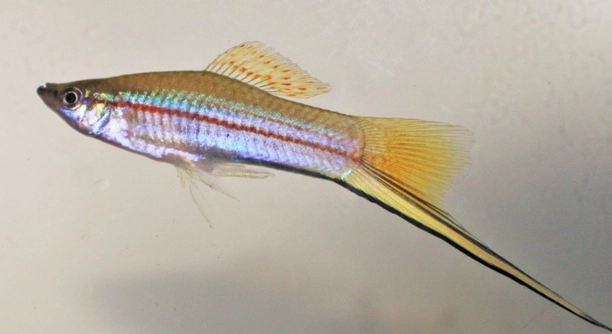
Swordtails and tetras are both popular fish among aquarium enthusiasts, but you might wonder if they can live together harmoniously in the same tank. Understanding their behavior and environmental needs can help determine if they are compatible tank mates.
Swordtails are generally peaceful and thrive in groups, while tetras are also social but may prefer calm environments. While these species can coexist, careful attention to water parameters, tank size, and their temperament is crucial for a successful pairing.
There are several factors to consider when keeping swordtails and tetras together, ensuring a peaceful and thriving aquarium environment.
Tank Size and Environment Considerations
The size of your tank plays a significant role in whether swordtails and tetras can coexist peacefully. Swordtails tend to be active swimmers, requiring ample space to move freely. Tetras, on the other hand, are smaller and more delicate, often preferring calm waters. A tank that is too small or overcrowded can lead to stress, which may result in aggression. For these species to thrive together, a 30-gallon tank or larger is recommended. It provides enough space for each fish to establish its territory and move around without feeling cramped.
A larger tank also allows you to maintain stable water conditions, which are important for both species. The water temperature should be kept between 72°F and 78°F, and the pH level should be slightly acidic to neutral. Additionally, a well-maintained filtration system will help keep the water clean, reducing stress on both the swordtails and tetras.
Both species are prone to stress in poor water conditions, which can weaken their immune systems. A stable environment reduces these risks, contributing to healthier, happier fish.
Temperament and Social Needs
Swordtails are generally peaceful but can become territorial, especially males. Tetras, depending on the species, are typically peaceful but may display timid behavior around more dominant fish. Maintaining a peaceful environment is essential for both fish types. To reduce aggression, keeping a balanced male-to-female ratio and providing hiding spots is beneficial.
For swordtails and tetras to coexist without issues, you should introduce them gradually. It helps them adjust to each other’s presence without causing stress. Both species are social and do better in groups, but swordtails may show aggression toward smaller or weaker tetras if they feel threatened. Giving each species their own space within the tank will allow them to cohabitate more peacefully.
Providing hiding spots, plants, and decorations ensures both swordtails and tetras feel secure. It also allows them to explore and avoid unnecessary interactions.
Water Parameters
Both swordtails and tetras require stable water conditions to stay healthy. Swordtails prefer slightly alkaline to neutral pH, while most tetras thrive in slightly acidic water. Maintaining a consistent temperature between 72°F and 78°F is crucial for both species. Regular testing of water parameters helps prevent any imbalances that could lead to health issues.
Ammonia, nitrite, and nitrate levels should be closely monitored, as spikes in these can stress both species. Regular water changes of about 25% every two weeks can help maintain optimal water quality. Additionally, ensure your filtration system is adequate for the size of your tank. Clean water is key to avoiding diseases and promoting long-term health.
Proper filtration is vital for removing waste, excess food, and other debris. Investing in a quality filter that suits the tank size will go a long way in maintaining a healthy environment. Regular maintenance of the filter ensures that water circulation remains strong, preventing stagnant areas where bacteria can grow.
Feeding Practices
Swordtails and tetras have different feeding habits, but both are omnivores. Swordtails will happily consume flakes, pellets, and live or frozen foods like brine shrimp or bloodworms. Tetras often prefer smaller, finely crushed food or live food, making feeding them a bit more specific. It’s important to offer a varied diet to meet the nutritional needs of both species.
Overfeeding is a common mistake when keeping swordtails and tetras. Excess food can pollute the water, leading to poor water quality. A feeding schedule of once or twice a day is usually sufficient, with portions small enough that all food is consumed within a few minutes. This prevents leftover food from decaying and affecting water conditions.
Offering a mix of dry and live foods ensures both species get the nutrients they need. Live foods, such as daphnia or mosquito larvae, stimulate natural hunting behaviors and encourage healthy digestion. Be mindful of the type and amount of food, as an unbalanced diet can lead to health problems.
Potential Risks of Coexisting
Though swordtails and tetras can live together, some risks come with pairing them. Swordtails may become territorial, especially during breeding seasons. Tetras, being smaller, might also be intimidated by the more dominant swordtails. Monitoring their behavior closely is key to preventing stress.
Aggression from swordtails can occur if the males feel their territory is threatened. This can lead to fin nipping or chasing. Tetras may become stressed and less active, which can affect their health. Keeping a balance between the two species is important to ensure they live peacefully together. Adding plenty of plants and hiding spots helps reduce aggression.
To avoid serious aggression, maintain a proper male-to-female ratio for swordtails and ensure your tank is spacious enough for both species to have their own space. If signs of stress or aggression arise, consider separating them temporarily or adjusting tank conditions to improve their coexistence.
Tank Decoration and Hiding Spots
Decorating the tank with plants and rocks creates natural hiding spots for both swordtails and tetras. Swordtails, while social, may appreciate areas to retreat from any potential conflict. Tetras, being more timid, will thrive with more places to hide and feel secure.
Adding plants like Java fern or moss balls not only provides cover but also improves the aesthetic appeal of the aquarium. Ensure decorations are smooth-edged to prevent injury to delicate fish. A well-decorated tank can help reduce stress and allow both species to interact without feeling threatened by each other’s presence.
Compatibility with Other Fish Species
Swordtails and tetras can be kept with other peaceful fish species, but compatibility varies depending on the specific types. Both species tend to get along well with non-aggressive tank mates. Choosing other calm fish ensures a more harmonious tank environment.
FAQ
Can swordtails and tetras live together in a 20-gallon tank?
While it’s possible to house swordtails and tetras in a 20-gallon tank, it’s not ideal. Both species are active swimmers and require ample space to avoid stress. A 30-gallon tank is a better option, as it provides enough room for both fish to establish their territories and swim freely. If you must use a 20-gallon tank, consider adding fewer fish and ensuring plenty of hiding spots to reduce territorial disputes.
What are the best tetras to keep with swordtails?
The best tetras for pairing with swordtails are those that are peaceful and not too small. Species like Neon Tetras, Glowlight Tetras, or Rummynose Tetras are good options. These tetras are calm, won’t get intimidated by swordtails, and have a similar water parameter requirement. Avoid tetras that are too small or aggressive, as they may become targets for swordtails or get stressed in the tank.
How do I prevent swordtails from becoming aggressive?
Swordtails can become aggressive, especially during mating season or when they feel their territory is threatened. To prevent aggression, keep a balanced male-to-female ratio, with more females than males. This helps reduce competition among males. Additionally, providing ample hiding spots and decorations in the tank allows the fish to establish their own spaces, minimizing territorial disputes. If aggression persists, consider rearranging the tank’s decorations to break up any territories.
Can I mix swordtails with other livebearers?
Swordtails can live peacefully with other livebearers like guppies, platies, or mollies. These species share similar care requirements, including water temperature and pH. However, be cautious with mixing males, as swordtails and other male livebearers can compete for territory and mates. It’s essential to provide enough space and hideouts to minimize aggression.
Do swordtails and tetras require the same water temperature?
Yes, both swordtails and tetras require similar water temperatures, typically between 72°F and 78°F. Keeping the water within this range ensures the health of both species. However, some tetras may prefer slightly cooler water, while swordtails thrive in warmer conditions. Maintaining a steady temperature within this range is key for both species to thrive together.
How many swordtails and tetras should I have together?
The number of swordtails and tetras you can have depends on the size of the tank. For a 30-gallon tank, you can comfortably keep about 6 swordtails and 8-10 tetras. It’s important not to overcrowd the tank, as this can lead to stress and water quality issues. Always ensure there is enough swimming space and hiding areas to accommodate all fish.
Can swordtails and tetras breed in the same tank?
Swordtails and tetras can breed in the same tank, but it’s unlikely that they will interbreed, as they are different species. However, swordtails will breed easily, and if there are enough hiding spots, the fry may survive. Tetras typically do not breed unless specific conditions are met, such as appropriate water temperature and diet.
What’s the ideal pH level for swordtails and tetras?
Swordtails prefer a pH of around 7.0 to 8.0, while most tetras prefer slightly acidic water, with a pH ranging from 6.0 to 7.0. Maintaining a neutral pH of 7.0 is a good compromise for both species. Regular water testing is necessary to ensure that the pH level stays within the acceptable range for both fish.
Do swordtails and tetras need a filter?
Yes, both swordtails and tetras require a good filtration system. A filter helps maintain clean water by removing waste, uneaten food, and other debris. It’s essential to choose a filter that is appropriate for the size of the tank, as a weak filter won’t keep the water clean, while a strong filter could create too much current for the tetras. Regular filter maintenance is also crucial for ensuring optimal water quality.
Can I add shrimp or snails with swordtails and tetras?
Yes, shrimp and snails can generally live peacefully with swordtails and tetras. Shrimp, such as Amano or Cherry Shrimp, are scavengers and will help keep the tank clean by eating algae and leftover food. Snails, like Nerite or Mystery Snails, can also help with algae control. However, be cautious with the size of the shrimp or snails, as larger swordtails might try to eat them. Ensure that the tank provides plenty of hiding spots for the smaller tank mates.
Are swordtails or tetras more sensitive to water changes?
Tetras are generally more sensitive to sudden changes in water conditions, including fluctuations in temperature and pH. Swordtails are a bit more resilient to changes, but both species require stable conditions to thrive. When performing water changes, it’s important to do them gradually and monitor water parameters regularly. Sudden shifts in water quality can cause stress and make both species more susceptible to disease.
How do I handle fin nipping?
Fin nipping can occur if swordtails or tetras become stressed or aggressive. To prevent this, ensure that the tank has enough space and hiding spots. If fin nipping continues, check the water parameters and make sure no other fish are causing stress. If aggression is the issue, rearranging the tank or reducing the number of males may help. Regularly monitor the fish and observe their behavior to spot any signs of fin nipping early.
What should I do if swordtails and tetras are not getting along?
If swordtails and tetras are not getting along, the first step is to observe their behavior and identify the cause of the aggression. It may be territorial disputes or competition for food. Adding more hiding spots, adjusting the tank decorations, or changing the male-to-female ratio can help. In extreme cases, separating the fish temporarily may be necessary. It’s important to ensure that both species are in an environment where they feel secure.
Final Thoughts
Swordtails and tetras can be a great combination in a tank, but careful planning is essential. Both species are peaceful when provided the right environment, but they have different needs. Swordtails tend to be more active and may become territorial, especially during breeding times. Tetras, on the other hand, are generally more timid and prefer a calm, secure space. When they are kept in a well-maintained, spacious tank with plenty of hiding spots, these fish can coexist peacefully and offer a visually appealing and dynamic tank setup.
To ensure a harmonious environment, attention to tank size and the number of fish is critical. A 30-gallon tank is the minimum recommended size for housing swordtails and tetras together. This allows enough space for both species to move freely without stress. Additionally, the male-to-female ratio for swordtails should be balanced to avoid competition and aggression. Swordtails are social, but having too many males can lead to territorial disputes. Providing enough plants, rocks, and decorations for hiding spots can also make a big difference in reducing tension between the fish. Proper tank conditions such as temperature, pH, and regular water changes are key to keeping both species healthy.
Ultimately, the success of keeping swordtails and tetras together depends on your ability to monitor their behavior and adjust their environment when necessary. If aggression or stress occurs, it is important to act quickly by adding more hiding spots, rearranging the tank, or adjusting the number of fish. While they are generally compatible, every aquarium is unique, and being proactive in managing your tank will ensure that both species thrive. By paying attention to the fish’s needs and making small adjustments as required, swordtails and tetras can live together harmoniously, creating a lively and colorful tank.

Hello,
If you enjoy the content that we create, please consider saying a "Thank You!" by leaving a tip.
Every little bit helps us continue crafting quality advice that supports the health, happiness, and well-being of pets around the world, for pets of all shapes, sizes, and species.
We really appreciate the kindness and support that you show us!