
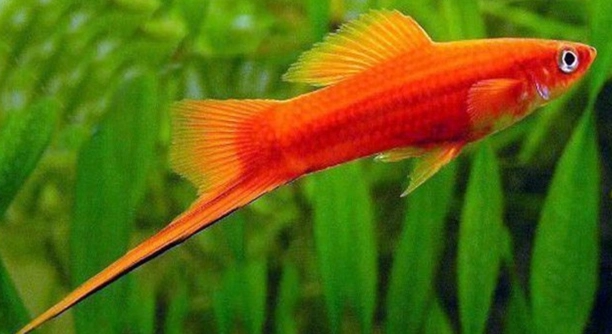
Swordtails are known for their adaptability in various environments. However, when it comes to adjusting to new tankmates, their response can depend on several factors. Understanding their behavior can help in creating a peaceful tank.
Swordtails typically adjust to new tankmates with moderate ease, as long as the tankmates are non-aggressive and have similar environmental needs. Proper introduction and monitoring help minimize stress and aggression during the adjustment period.
The process of introducing new tankmates requires careful observation. Managing the balance between existing and new fish is essential for harmony in the tank.
Understanding Swordtail Behavior
Swordtails are typically peaceful but can be territorial, especially when introduced to new environments. They may exhibit aggression when placed with fish that compete for the same space or resources. As a result, understanding their natural behavior is important for a successful tank setup.
While swordtails generally adjust to new tankmates, it’s essential to observe how they interact with the newcomers. Avoid introducing too many new fish at once to minimize stress. Gradual introductions allow the swordtails to become accustomed to the presence of new fish and can prevent aggression.
Maintaining proper water conditions is also vital for swordtail health and adaptability. Swordtails prefer slightly alkaline water with temperatures between 72-79°F (22-26°C). If the water parameters differ significantly from what they’re used to, the fish may become stressed. A stressed swordtail may act out aggressively, especially when it feels threatened by new tankmates. A stable environment will increase the chances of peaceful coexistence.
Choosing the Right Tankmates
Choosing appropriate tankmates for swordtails is crucial. Fish that are too large, aggressive, or territorial can cause problems.
It’s recommended to keep swordtails with other peaceful species, such as tetras or livebearers. These fish typically have similar behavior patterns and will not disrupt the swordtails’ environment.
The Role of Tank Size
Tank size plays a significant role in how well swordtails adjust to new tankmates. A small tank can quickly become overcrowded, causing stress and territorial behavior. Swordtails need enough space to establish their own areas, reducing the likelihood of conflict.
A tank of at least 20 gallons is ideal for swordtails, with additional space for each new tankmate. This allows fish to swim freely, reducing competition for territory. More space also ensures better water quality, which directly impacts the health and mood of all fish. Without enough space, swordtails may become agitated and more prone to aggression.
A larger tank provides more hiding places, reducing stress and territorial disputes. Plants, rocks, and decorations help swordtails and other fish feel secure. Offering plenty of spaces to retreat can ease the adjustment process. Keep in mind, though, that even in a larger tank, monitoring the interactions between new and established fish is essential. If aggression persists, consider rearranging the layout of the tank to disrupt territorial claims.
Water Conditions and Stress
Swordtails are sensitive to changes in water conditions, which can trigger stress. Keeping water temperature, pH, and hardness levels stable is key for smooth tankmate introductions.
Stress due to fluctuating water conditions can make swordtails more territorial and aggressive. To keep swordtails calm, ensure consistent water parameters. Regular testing and maintenance, including partial water changes, help maintain the optimal environment. Healthy water encourages positive interactions between swordtails and their tankmates, making the adjustment smoother.
Introducing New Tankmates
Introduce new tankmates gradually to avoid overwhelming your swordtails. Start with less aggressive species and observe interactions closely. This allows both the swordtails and new fish to acclimate without triggering territorial behavior.
During introductions, consider using a divider to separate the fish temporarily. This gives both groups time to see each other without physical contact, reducing aggression. After a few days, remove the divider and monitor their behavior. If the swordtails show signs of stress or aggression, consider reintroducing them after a longer period of adjustment.
Signs of Stress in Swordtails
Signs of stress in swordtails include erratic swimming, loss of appetite, or hiding. They may also show fin clamping or color fading.
If you notice these behaviors, it’s a sign that your swordtails may be struggling with their new tankmates. These symptoms often indicate discomfort or an inability to adapt to the changes in their environment. Monitor the situation closely and make adjustments as needed.
Maintaining Tank Harmony
Maintaining harmony requires consistent monitoring of all fish in the tank. Keep track of who gets along and who doesn’t.
Sometimes, certain fish may just not get along despite best efforts. In this case, removing one of the fish may be the best solution for peace. This can prevent long-term stress and health problems.
FAQ
How long does it take for swordtails to adjust to new tankmates?
The adjustment period for swordtails can vary, but generally, it takes about 1-2 weeks. During this time, they may display initial aggression or stress. It’s essential to monitor the fish closely for signs of distress and ensure the environment remains stable. Over time, swordtails become more comfortable with their new companions, especially if they are peaceful and compatible species.
Can swordtails live with aggressive fish?
Swordtails should not be kept with aggressive fish. They are generally peaceful and thrive in tanks with non-aggressive tankmates. Introducing aggressive fish can lead to stress, injury, or territorial disputes. It’s best to select tankmates with similar temperaments, such as peaceful livebearers or tetras.
What are the best tankmates for swordtails?
Ideal tankmates for swordtails include peaceful species like guppies, mollies, platies, and small tetras. These fish share similar water requirements and are generally non-aggressive. Avoid large or overly territorial fish, as they can cause stress or bullying, disrupting the peaceful environment swordtails need to thrive.
How can I tell if swordtails are stressed?
Signs of stress in swordtails include loss of appetite, erratic swimming patterns, hiding, or color fading. Swordtails may also exhibit fin clamping, where their fins are held close to their bodies. If these signs persist, it’s important to check water conditions, tankmate compatibility, and overall environment.
Can swordtails breed with other fish species?
Swordtails typically only breed with other swordtails and similar livebearing species. They will not interbreed with non-livebearers or different species that are not compatible. If you have swordtails in a mixed tank, you may observe mating behaviors, but they will not breed with species that don’t share the same reproductive traits.
Do swordtails need a specific water temperature?
Yes, swordtails thrive in water temperatures between 72-79°F (22-26°C). Water that is too hot or too cold can cause stress and lead to health problems. Maintaining a consistent temperature is crucial for their well-being, and investing in a reliable aquarium heater is recommended for stable water conditions.
What size tank is ideal for swordtails?
A minimum tank size of 20 gallons is recommended for swordtails, especially when keeping more than one. This size provides enough space for swordtails to swim freely and establish territories without feeling crowded. Larger tanks are even better, offering more room for peaceful coexistence with other fish.
How do I reduce aggression in swordtails?
To reduce aggression, ensure swordtails have plenty of space to establish their own territories. Add plants, rocks, and other decorations to create hiding spots and reduce stress. Introduce new fish gradually and monitor their interactions. If aggression continues, consider rearranging the tank layout to disrupt territorial boundaries.
What type of water conditions do swordtails prefer?
Swordtails prefer slightly alkaline water with a pH between 7.0 and 8.0. They also thrive in water with moderate hardness. Regularly testing water parameters and maintaining stable conditions can help swordtails remain healthy and comfortable. Ensure that temperature, pH, and hardness are within the optimal range for best results.
How often should I feed swordtails?
Swordtails should be fed 2-3 times a day, offering a variety of food such as flakes, pellets, and occasional live or frozen foods. Overfeeding can lead to poor water quality, so it’s important to give only as much food as they can consume in a few minutes. Always remove any uneaten food to maintain tank cleanliness.
Why are my swordtails hiding all the time?
Swordtails may hide if they feel stressed, threatened, or unwell. Check the water parameters for any imbalances, as poor water conditions can cause them to seek shelter. They may also hide due to aggression from tankmates or the introduction of new fish. Ensure the environment is calm and secure, and provide plenty of hiding spots to help them feel safe.
Can I keep male and female swordtails together?
Yes, male and female swordtails can live together. However, males tend to be more active and may chase females, especially during breeding periods. If you want to avoid breeding, keeping only one gender or controlling the male-to-female ratio can help reduce stress for the females.
How can I tell if my swordtails are about to give birth?
Pregnant swordtails will have a rounded belly and may become more sluggish. The gravid spot, a dark area near the anal fin, becomes more prominent as the pregnancy progresses. Swordtails give birth to live young, so if you notice these signs, prepare for the birth by providing plenty of hiding spaces for the fry.
What should I do if my swordtails are not eating?
If your swordtails are not eating, check for stressors like poor water conditions, incompatible tankmates, or illness. Stress can suppress their appetite. If the environment is stable and tankmates are non-aggressive, it may be a health issue. Consult a veterinarian or aquarium expert if the problem persists.
How long do swordtails live?
Swordtails typically live for 3-5 years, but their lifespan can be longer with optimal care. Proper water conditions, a balanced diet, and a peaceful tank environment can help extend their lifespan. Regularly monitor their health and make adjustments to the tank as needed to promote longevity.
Final Thoughts
When introducing swordtails to a new tank or new tankmates, it’s crucial to consider their specific needs for space, water quality, and compatible companions. Swordtails are peaceful fish, but they can become stressed if their environment isn’t stable or if they feel threatened by more aggressive tankmates. Providing plenty of space to swim, hiding spots, and maintaining consistent water conditions are essential steps to ensure their health and comfort. It’s important to monitor their behavior closely, especially during the first few weeks after introducing new fish. This helps you identify any signs of stress or aggression early, allowing you to make necessary adjustments before problems escalate.
Tank size also plays a major role in how well swordtails adjust. A larger tank offers more space for the fish to establish their territories and reduces the chances of stress due to overcrowding. A well-planted tank or one with decorations like rocks and caves can also help swordtails feel secure. When introducing new tankmates, it’s best to do so gradually. This helps all fish adjust to one another’s presence and reduces the chance of conflict. Using a divider during the initial introductions can be a good way to allow the fish to get used to each other’s presence without direct contact.
Maintaining a peaceful and stable tank environment requires constant attention to water conditions and regular monitoring of the fish. Swordtails thrive in slightly alkaline water with stable temperatures. Stress caused by poor water quality, incompatible tankmates, or territorial disputes can lead to health problems or even aggression. By choosing compatible tankmates, providing enough space, and keeping the water conditions ideal, swordtails can live peacefully with other fish. Whether you are adding new fish or just maintaining your current setup, staying observant and making necessary adjustments ensures a happy, healthy aquarium for your swordtails and their companions.

Hello,
If you enjoy the content that we create, please consider saying a "Thank You!" by leaving a tip.
Every little bit helps us continue crafting quality advice that supports the health, happiness, and well-being of pets around the world, for pets of all shapes, sizes, and species.
We really appreciate the kindness and support that you show us!