
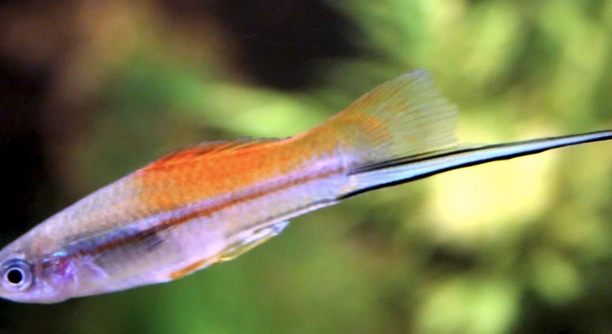
Have you ever watched your swordtail fish act differently after a big water change and wondered what might be going on? Sudden changes in their environment can sometimes cause visible stress or confusion in these colorful swimmers.
Swordtails can adapt to sudden water swaps, but the process is not always smooth. Rapid changes in temperature, pH, or hardness may lead to stress or illness. Gradual acclimation and stable tank conditions are recommended for maintaining their health.
Learning how to manage water swaps properly can make a big difference in your swordtail’s well-being and daily behavior.
What Happens When Water Conditions Change Too Quickly
Swordtails are hardy fish, but sudden shifts in their water can trigger signs of stress. These changes might include color fading, clamped fins, erratic swimming, or hiding. When water temperature, pH, or hardness shifts too fast, their bodies struggle to adjust. Their gills and internal systems are sensitive to fluctuations and may react negatively if the conditions shift without warning. In severe cases, the fish might develop diseases or become more vulnerable to parasites. Even if they seem fine at first, stress can build over time and lead to health problems down the road. That’s why stability is so important in any aquarium setting. When swordtails experience slow, controlled changes, their systems can adapt more comfortably. It’s helpful to test water parameters regularly, especially after large water swaps. Monitoring conditions closely gives you a better chance to catch any changes before they start affecting your fish.
Avoid changing all the water in the tank at once. Stick to partial water changes and monitor how your fish respond after each one.
If you’re doing a larger change, try matching the temperature and pH of the new water as closely as possible to what’s already in the tank. This reduces shock and helps your swordtails adjust.
Tips to Help Swordtails Adjust
Use a thermometer and water test kits before every water swap. Checking ahead gives you time to fix anything that’s off.
For best results, change about 20–30% of the water at a time. This gives the fish time to get used to any differences in the water while still keeping the tank clean. When adding new water, let it sit for a while if it’s been treated with dechlorinator—this allows the chemicals to settle. Also, try to add the water slowly using a small container or siphon. Pouring it in too fast can stir up debris and cause unnecessary stress. If you’re adjusting pH or hardness, make the changes gradually over a few days. You can use crushed coral, driftwood, or specific conditioners depending on whether you need to raise or lower the levels. Keep the tank calm during the transition. Avoid moving decorations or feeding right after the change—let the fish settle. Watch their behavior for the next 24 hours to catch any early signs of stress or discomfort.
Common Signs Your Swordtails Are Struggling
Look for small changes in your swordtails after a water swap. If they’re not swimming as much, eating less, or hiding more often, it could mean they’re having trouble adjusting to the new water conditions.
Faded colors can show up quickly when swordtails are stressed. Their once-bright shades might look dull or washed out. Clamped fins are another red flag—they’ll appear folded tightly against the body instead of fanned out. You might also notice fast breathing, especially near the surface. This can mean there isn’t enough oxygen or that something is irritating their gills. Floating without swimming or staying near the bottom are also common signs of discomfort. Any sudden behavior that’s different from their usual routine should be taken seriously. These signs don’t always show up right away, so it’s important to observe your swordtails closely for a full day after making a large water change.
Some swordtails may even begin chasing each other or acting skittish. This kind of behavior usually happens when they feel unsafe or disoriented. If the tank looks fine but your fish are restless, it’s worth checking the water parameters again. The smallest changes can throw off their sense of balance or routine, especially in smaller tanks.
Best Practices for Smooth Water Swaps
Avoid changing the tank water late at night or when lights are off. Swordtails are more relaxed in low light, and sudden activity can surprise them.
Use treated water that’s been aged if possible. This helps reduce the shock of additives or temperature differences. Make sure the temperature of the new water matches the tank within a couple degrees. It’s also smart to stir in the new water slowly over ten to fifteen minutes. For example, pour small amounts in at a time using a cup or tubing. This method reduces sudden shifts and gives swordtails time to adjust. If you use tap water, always dechlorinate it properly. Even small traces of chlorine or chloramine can cause problems. Finally, avoid feeding them right after a water change. Let them rest first. Wait at least an hour before offering food, and keep an eye on how they react throughout the day.
How Often Should You Change the Water?
Changing 20–30% of the water once a week is a safe routine for most swordtail tanks. This helps keep the environment stable without overwhelming your fish with too many changes at once.
If the tank is smaller or heavily stocked, water changes might need to happen more often. Test water regularly.
What to Avoid During a Water Swap
Never use cold water straight from the tap without adjusting the temperature first. Swordtails can go into shock if the water is too cold, even if the difference seems small. Also, avoid using any soap or cleaning agents on tank items. These can leave behind harmful residues that affect your fish. Stick to using aquarium-safe products or just rinse decorations with tank water. Don’t skip dechlorinating the new water—even trace amounts of chlorine can irritate gills. Finally, avoid stirring up the substrate too much during a swap. It can release trapped waste into the water, which stresses fish out even more.
Why Stability Matters Most
Swordtails feel better and live longer when their environment stays consistent. Big swings in temperature, pH, or hardness should always be avoided.
FAQ
Can swordtails survive a large water change?
Swordtails can survive a large water change, but it’s not ideal. They might handle it better in a healthy tank, but rapid changes can stress them out. A large water change, especially if temperature, pH, or hardness is altered too much, can put them at risk for illness. It’s safer to do smaller water changes more often to maintain stability. If a large change is unavoidable, ensure the new water matches the existing conditions as closely as possible.
How quickly can swordtails adapt to new water conditions?
Swordtails are fairly adaptable, but they still need time to adjust to new water conditions. If the changes are gradual, they can typically adjust within a few hours to a couple of days. Sudden changes are harder for them and may lead to stress or illness. Monitoring their behavior and checking water parameters can help you identify problems early.
Is it okay to change 50% of the water in my tank?
Changing 50% of the water in one go is possible, but it’s a lot for swordtails. While they may survive this, it’s better to aim for smaller changes of 20–30%. A large water change can be more stressful, as it creates a significant shift in the tank’s environment. If you need to do a larger change, do it in stages, spreading it out over several days.
What temperature should the water be for swordtails?
Swordtails prefer a water temperature between 72°F and 78°F (22°C–26°C). Keeping the water within this range is key to ensuring their comfort and health. Temperatures that fluctuate too much or drop below 70°F (21°C) can stress them out. Always check the temperature before adding new water, and make sure it’s within the acceptable range for your fish.
How often should I test the water in my tank?
It’s important to test your tank water at least once a week, especially if you’re doing regular water changes. Regular testing helps you keep an eye on crucial parameters such as pH, ammonia, nitrites, and nitrates. If your swordtails show signs of stress or unusual behavior, test more frequently to catch any potential issues early.
What should I do if my swordtail gets sick after a water change?
If your swordtail shows signs of illness after a water change, check the water parameters immediately. Ensure the temperature, pH, and hardness match what your fish are used to. Also, test for ammonia or nitrites, as spikes in these levels can cause illness. If everything seems fine, you might want to quarantine the sick fish in a separate tank and treat it with medications designed for stress or waterborne diseases.
Can I use tap water for my swordtail tank?
Yes, you can use tap water, but it should be treated first. Tap water often contains chlorine or chloramine, which can harm your swordtails. Always use a water conditioner to neutralize these chemicals before adding it to the tank. It’s also important to check the water’s hardness and pH, as tap water can vary depending on where you live.
How do I acclimate swordtails to a new tank?
Acclimating swordtails to a new tank requires patience. Start by floating the fish in their bag or container in the tank for 15–20 minutes to match the water temperatures. Then, gradually add small amounts of tank water into the bag over the course of about 30 minutes. This slow process helps the fish adjust to the new water conditions. Afterward, you can safely release them into their new environment.
What’s the best way to reduce stress in swordtails during water changes?
To minimize stress during water changes, perform them slowly and gently. Match the new water’s temperature, pH, and hardness to the tank’s existing conditions. Avoid stirring up debris or disturbing the fish. You can also reduce stress by performing water changes when the lights are dim or off, as swordtails are more relaxed in low light.
How can I prevent my swordtail from getting sick after water changes?
The best way to prevent illness is by maintaining stable water parameters. Gradually change the water and avoid over-cleaning the tank, which can disrupt beneficial bacteria. Test the water regularly to keep ammonia, nitrites, and nitrates in check. Ensure the tank has a good filtration system to keep the water clean and clear. Also, be mindful of temperature fluctuations. If you change water often, the risk of bacterial or fungal infections can increase.
Do swordtails need special care after a water change?
Swordtails don’t require special care after a water change, but they will benefit from a stress-free environment. Avoid feeding them immediately after the change and give them time to adjust to the new conditions. Keep the lights low and avoid disturbing them. Monitor their behavior for signs of stress, like hiding or erratic swimming.
Can swordtails live in water with fluctuating pH?
Swordtails prefer stable pH levels between 7.0 and 8.0. Fluctuating pH can cause stress and make them more vulnerable to disease. While they can tolerate some variation, drastic swings in pH should be avoided. It’s best to keep the water conditions consistent to ensure their long-term health.
Why is it important to remove fish before doing a water change?
Removing fish before a water change isn’t always necessary but can be helpful if you’re doing a large water change or cleaning the substrate. If you need to vacuum the substrate, removing the fish will prevent them from getting stressed or accidentally injured. Also, it gives them a break from the disturbance and allows the tank to stabilize afterward.
Final Thoughts
Maintaining stable water conditions is crucial for the health of your swordtails. They thrive in environments that remain consistent, so regular water changes are essential for keeping them happy. It’s important not to rush the process when making these changes, as sudden shifts can lead to stress or illness. Smaller, more frequent water changes are usually better for swordtails than large ones, which can alter the tank’s balance too quickly. Remember, swordtails do best when their environment mimics natural conditions, with stable temperature, pH, and water hardness.
Pay attention to the signs your swordtails give you after water changes. If they seem stressed, or if there’s a sudden change in behavior, it could indicate an issue with the water parameters. Regular testing of ammonia, nitrites, and nitrates, as well as the temperature and pH, will help ensure everything stays within a safe range. Healthy water conditions are one of the most important factors for their well-being, so don’t neglect routine testing. A well-maintained tank also prevents problems like algae blooms, bacteria growth, and water toxicity, which can harm your fish.
In the end, the key to successfully caring for swordtails is consistency. While they are adaptable fish, they rely on you to provide a stable, clean, and safe environment. Regular water changes, careful monitoring of water parameters, and patience will all contribute to a healthy tank. Don’t forget to be mindful of the size of water changes you make and always ensure that new water is properly conditioned and adjusted to the tank’s temperature and chemistry. If you keep these things in mind, your swordtails will live long, healthy lives.

Hello,
If you enjoy the content that we create, please consider saying a "Thank You!" by leaving a tip.
Every little bit helps us continue crafting quality advice that supports the health, happiness, and well-being of pets around the world, for pets of all shapes, sizes, and species.
We really appreciate the kindness and support that you show us!