
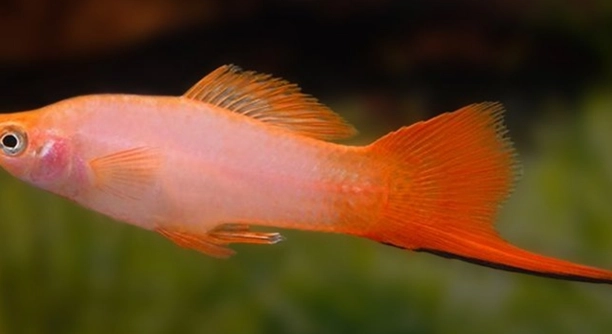
Have you ever watched your swordtails swimming around and wondered if male and female fish behave differently in the same tank?
Male and female swordtails often display different behaviors due to biological and social factors. Males tend to be more active and competitive, especially during mating, while females usually exhibit calmer and more stable swimming patterns.
From tank dynamics to subtle signs of social behavior, understanding these gender-based actions can help you better care for your swordtails and observe their world more clearly.
Differences in Behavior Between Male and Female Swordtails
Male swordtails often show more movement and energy compared to females. They swim around a lot, especially when trying to impress females. You may notice them chasing or dancing near females. This is part of their mating behavior. Males also tend to fight or compete with each other when kept together, especially in smaller tanks. Females are usually more relaxed and peaceful. They often group together and swim calmly around the tank. Unlike males, they don’t show much interest in chasing or showing off. These differences become more obvious when you have a mix of both genders in one tank. It’s also easier to notice them if your tank has enough space and hiding spots. The tank setup can influence how clearly you see these behaviors. A balanced tank with good conditions lets you observe these gender-based habits without too much stress on the fish.
Male swordtails show more active and attention-seeking behavior, while females are quieter and more group-oriented in their movements.
Understanding these behaviors helps when choosing how many males and females to keep. It also helps prevent stress or aggression in the tank.
Environmental Factors That Influence Behavior
Tank conditions, space, and the number of fish all affect how swordtails behave in a shared space.
A crowded or poorly maintained tank can increase stress and lead to more aggressive behavior, especially from males. When there’s limited space, males have less room to chase females or establish their territory, which can result in more frequent conflicts. Overcrowding also affects females, making them more likely to hide and feel unsafe. Water quality, temperature, and lighting also play a role. If the water is too warm or too cold, fish may act differently than usual. Lighting that is too bright or too dim can make swordtails restless or less active. Providing hiding spots, like plants or decorations, helps give females a break from males and allows for natural behavior. When your tank is clean, spacious, and balanced in gender, the differences between male and female behavior appear more clearly. Keeping these things in mind makes swordtail care easier and more rewarding.
Social Interactions and Group Dynamics
Male swordtails usually compete for attention when more than one is present, especially in smaller tanks. This can lead to chasing and nipping, which may stress other fish and disrupt harmony in the group.
When you keep multiple males in the same tank, their behavior changes. They often become territorial and try to show dominance. You might notice them flaring fins, swimming in circles around each other, or constantly following females. These actions are part of their natural instincts, but they can stress other fish if the tank is too small or lacks hiding spaces. On the other hand, females generally get along better in groups. They form loose schools and show less aggressive behavior. Grouping several females together usually works well and creates a peaceful atmosphere. It’s important to find a balance when keeping both genders in the same tank to avoid conflict and stress.
Adding hiding places and visual barriers helps reduce tension in the tank. Live plants, caves, or decorations give females space to rest and help males calm down. This setup makes it easier to manage group behavior. It also allows you to enjoy watching natural interactions without worrying about injuries or constant chasing. Tank layout affects behavior more than people realize.
Hormones and Behavior Patterns
Hormones play a big role in swordtail behavior. Males produce more testosterone, which can lead to increased activity, aggression, and mating displays. These hormone levels can also fluctuate based on environment and age.
As male swordtails mature, their hormones drive them to be more competitive. This is why you’ll often see males chasing females or other males. These behaviors become more intense in warmer water or when lighting conditions encourage breeding. Females are influenced by their own hormone cycles too, especially when they are pregnant. A pregnant female might isolate herself or act more cautiously. Hormonal shifts also explain why behavior may change even if nothing in the tank seems different. It’s not just about what you can see—internal processes matter too. Watching how your fish interact can give you clues about their hormonal state and help you decide if any changes need to be made.
Signs to Watch For in Your Tank
If your male swordtails are constantly chasing or nipping, it may be a sign that the tank is overcrowded or unbalanced. This can lead to stress and injury if left unaddressed for too long.
Females hiding often or swimming near the bottom may be overwhelmed by too much attention from males. This is a sign the tank may need more cover or fewer males.
Choosing the Right Ratio of Males to Females
A common guideline is to keep one male for every two to three females. This helps spread out the attention and keeps any single female from being chased too much. When too many males are kept together without enough females, their behavior becomes more aggressive and territorial. A good balance reduces conflict and stress for everyone in the tank. It also creates a more stable environment, making it easier to watch natural behaviors. Always consider tank size when planning this ratio. The larger the tank, the more space each fish has to establish its own area and feel safe.
When Behavior Becomes a Problem
Frequent fighting, damaged fins, or fish refusing to eat are signs that behavior is becoming harmful. Making changes early can prevent long-term issues.
FAQ
How can I tell male and female swordtails apart?
Males have a long, pointed fin called a gonopodium where the anal fin is, while females have a fan-shaped anal fin. Males are usually slimmer and may have a longer, more pronounced tail fin, often referred to as a “sword.” Females are rounder, especially when pregnant, and grow slightly larger overall.
Do male swordtails always act aggressively?
Not always, but they are more likely to show aggressive behavior, especially when competing for females or if there are too many males in the tank. A peaceful tank setup with hiding places and a proper male-to-female ratio can reduce this aggression and keep things calm.
Why is my female swordtail hiding all the time?
She may be trying to avoid too much attention from males or might be close to giving birth. Stress from chasing or poor water quality can also make her hide. Try giving her more space, plants to rest in, and check the water conditions to make sure everything is safe.
Is it okay to keep only female swordtails?
Yes, you can keep only females. They tend to be peaceful and get along well. However, if they were kept with males before, some may already be pregnant and could give birth in your tank. Over time, their behavior will calm down once there are no males present.
Can swordtail behavior change over time?
Yes, behavior can shift based on age, environment, and health. Males may become less active as they get older. Stress, illness, or changes in water temperature can also affect how both males and females act. Keeping a consistent, healthy environment helps maintain stable behavior.
What should I do if my swordtails are always fighting?
Try separating the aggressive fish or adjusting the male-to-female ratio. Add more plants or decorations to give them space. If that doesn’t help, consider moving some fish to a different tank. Make sure the water quality is good, as poor conditions can also increase stress and aggression.
Are swordtail fry (babies) treated differently by males and females?
Females sometimes try to avoid fry after giving birth, while males may chase or even eat them. If you want to raise the fry, place them in a separate tank or use a breeder box. This helps protect them until they are big enough not to be seen as food.
Do swordtails form social bonds?
They don’t form strong individual bonds like mammals, but they do show social preferences. Females often group together, while males interact more during competition. You may notice fish that regularly swim near each other or behave in sync. These patterns can change based on tank setup and group size.
How many swordtails can I keep together?
That depends on the size of your tank. A good rule is one inch of fish per gallon of water. Since swordtails grow to about four inches, a 20-gallon tank can comfortably hold four or five adult fish. Always leave room for swimming and include hiding spots for balance.
Do swordtails behave differently during feeding?
Yes, males may become pushy or more active at feeding time. They might try to grab food first. Females usually feed calmly but can be quick if they feel stressed. Feeding in different spots or adding food gradually can help make sure all fish get enough to eat.
Final Thoughts
Swordtails are beautiful, active fish that can bring a lot of life to a home aquarium. Understanding how male and female swordtails behave differently can help you create a peaceful and healthy environment for them. Males tend to be more active, especially when they’re trying to show off or compete. They may chase each other or the females, which is normal but can sometimes become too much. Females are usually calmer and spend more time swimming together or resting. These patterns are based on natural instincts, but your tank setup plays a big role in how often you’ll see these behaviors.
Keeping the right number of males and females, giving your fish enough space, and adding places to hide will make a big difference. A well-balanced tank helps reduce stress and allows your swordtails to behave in a way that’s comfortable and natural. Watching them interact can also help you notice if something seems off. If a fish is hiding all the time, being chased too much, or acting differently than usual, it might be time to make changes to the tank or check water quality. A calm tank is not just better for the fish—it makes it more enjoyable for you to watch them, too.
There’s no one-size-fits-all setup, but by observing your fish and adjusting when needed, you’ll get better at knowing what works. Over time, you may even start to recognize individual behaviors and personalities. Swordtails are simple to care for, but a little attention to their social habits goes a long way. Whether you’re just starting with a few fish or already have a full tank, understanding gender differences in behavior can help you keep things balanced. With the right approach, you’ll have a tank that supports both the active males and the calmer females, giving all your swordtails a safe place to thrive.

Hello,
If you enjoy the content that we create, please consider saying a "Thank You!" by leaving a tip.
Every little bit helps us continue crafting quality advice that supports the health, happiness, and well-being of pets around the world, for pets of all shapes, sizes, and species.
We really appreciate the kindness and support that you show us!