
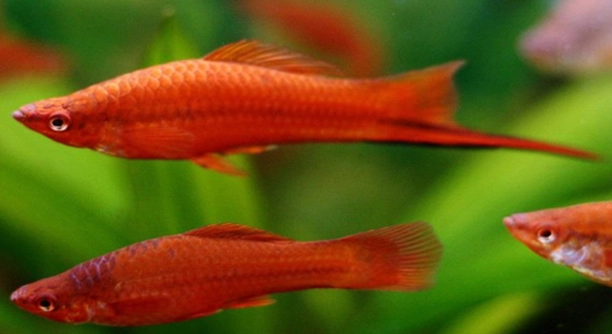
Swordtail fish are popular in home aquariums for their vibrant colors and playful nature. Many aquarium owners may notice that these fish can sometimes seem to change color. This brings up the question of whether it is truly possible for swordtail fish to alter their appearance.
Swordtail fish can indeed change color, but this ability is usually a response to environmental factors such as stress, temperature, and lighting. These changes are typically temporary and help the fish blend in with their surroundings.
Understanding how swordtail fish respond to different conditions will help you care for your pet better.
Why Swordtail Fish Change Color
Swordtail fish may seem to change color often, but this is mostly due to changes in their environment. Factors like stress, water quality, and lighting can cause temporary color shifts. It’s important to understand these changes to ensure your swordtail fish remain healthy. A shift in color may indicate that the fish is adjusting to new conditions, such as fluctuating water temperatures or changes in light. In some cases, the colors may also reflect the fish’s mood or health status, signaling discomfort or well-being. A good aquarium setup with stable conditions can help minimize these changes.
These color changes are generally harmless but can sometimes point to a problem in the tank. Monitoring water conditions and providing appropriate care can reduce stress levels and stabilize the fish’s color.
Swordtail fish are not the only species to change color in response to their surroundings. Many fish have the ability to adapt their appearance to blend in or communicate. Swordtails, however, do so more frequently when conditions shift. The process is known as color morphing, and it allows them to adjust to their environment. Fish that experience sudden shifts in water quality or stress will often display noticeable changes in hue as they attempt to regain balance. Healthy fish will show vibrant colors under optimal conditions, which is a good indication of their well-being.
How Stress Affects Swordtail Fish Colors
Stress is a key factor in how swordtail fish change color. A stressed swordtail may darken in color as a response to discomfort or unfavorable tank conditions. Fish can experience stress from factors such as overcrowding, poor water quality, or sudden changes in temperature. Stress can also stem from the presence of other aggressive fish or environmental disturbances.
Swordtail fish, like many other species, will display darker or duller colors when under stress. This helps them avoid detection by predators, as they can blend into their surroundings more effectively. When the stress factor is removed or corrected, the fish’s colors may return to their normal, vibrant state. Ensuring a peaceful tank environment can significantly reduce stress levels and prevent color changes. Additionally, maintaining stable water conditions such as temperature, pH, and hardness is essential for the health of the fish.
Keeping an eye on the behavior and appearance of your swordtail fish can help you identify potential stressors. In a well-maintained tank, the fish should show off their natural colors. Stress reduction techniques like adding hiding spots, regular water changes, and controlling lighting can make a big difference in keeping the fish happy and healthy. Regular observation of your swordtails can also help you catch any stress-related issues before they become more serious.
Temperature and Lighting Influence on Color Changes
Temperature and lighting can dramatically affect swordtail fish colors. If the water temperature is too high or low, it may lead to a change in their appearance. Similarly, changes in the lighting or light intensity can trigger these shifts in color. Swordtail fish tend to have more vivid colors under stable, moderate lighting conditions.
Fish that live in tanks with fluctuating temperatures or inconsistent light exposure may show signs of stress through dull or darkened colors. To keep them healthy, ensure that the water temperature remains within a comfortable range for swordtails (around 72–79°F) and that the lighting is not too harsh. Providing a consistent day-night cycle will also help stabilize their color.
Proper tank setup plays a key role in maintaining vibrant colors. Too much light can cause stress, while too little light can prevent them from displaying their natural hues. Keeping the lighting balanced and the temperature stable will help swordtail fish thrive. If the fish are in an environment that suits them, their color should remain bright, healthy, and consistent.
Water Quality and Its Effect on Swordtail Fish
Water quality is crucial in maintaining healthy swordtail fish. Poor water conditions can lead to various issues, including color changes. High ammonia or nitrite levels, for example, can cause fish stress, leading to dull or darkened colors. Consistently good water quality helps swordtails display their vibrant natural hues.
Testing the water regularly for ammonia, nitrites, and nitrates ensures that it stays within the ideal range. Swordtail fish are sensitive to changes in water conditions, so regular water changes are important for keeping their environment clean. If you notice a color change in your swordtail, a water test should be the first step in diagnosing the issue.
In addition to chemical testing, consider the hardness and pH of your aquarium water. These factors affect swordtail fish health and appearance. Maintaining good water quality through filtration and routine changes will not only help keep the fish colorful but also contribute to their overall well-being. A healthy tank environment is essential for swordtails to thrive and show off their vibrant colors.
Stress-Induced Color Changes
Swordtail fish may experience color changes when they feel stressed. Overcrowding, aggression from tank mates, or changes in their environment can lead to this. These changes are usually temporary and disappear once the fish feel more secure in their surroundings.
Stress is a major factor affecting the appearance of swordtail fish. When stressed, they might darken in color or show other signs like hiding or erratic behavior. Reducing stress through proper tank conditions and compatible tank mates will help them regain their vibrant color.
Diet and Its Impact on Color
Swordtail fish need a balanced diet to maintain their bright colors. Poor nutrition can cause dullness, especially if they are lacking in essential vitamins or minerals. High-quality fish food designed for their needs will help them retain their vibrant hues.
A proper diet of varied food, such as high-quality pellets, live or frozen foods, and occasional plant matter, will ensure that swordtail fish get the nutrients they need. A deficiency in nutrients like carotenoids can affect their color intensity. Be sure to feed them a mix of foods for optimal health.
Temperature Fluctuations and Color Impact
Temperature fluctuations can be stressful for swordtail fish, leading to temporary color changes. When the water temperature becomes too hot or cold, swordtails may darken or lose their usual vibrancy. Keeping a steady, appropriate water temperature ensures their health and bright color.
FAQ
Can swordtail fish change color based on their mood?
Yes, swordtail fish can change color depending on their mood. When they are stressed or frightened, they may become darker or duller. Conversely, when they feel calm and healthy, their colors are more vibrant. These changes are usually temporary and linked to environmental factors or the fish’s emotional state.
Do swordtail fish change color as they age?
Swordtail fish may experience slight changes in color as they age, particularly if they are exposed to different water conditions or lighting. Younger swordtails are typically brighter in color, while older fish may lose some of their vibrancy. However, age-related color changes are not as drastic as those caused by environmental factors.
How can I prevent my swordtail fish from changing color?
To prevent color changes, maintain a stable environment with consistent water temperature, quality, and lighting. Avoid overcrowding, minimize stress from aggressive tank mates, and provide a balanced diet. A clean tank with regular water changes will also help your swordtail fish maintain their natural colors.
Is it normal for swordtail fish to change color at night?
Swordtail fish can appear darker or less vibrant at night. This is a normal behavior as they tend to calm down and rest in the dark. Fish may not display their full range of colors during nighttime, but once the lights are back on, their colors should return to normal.
Can diet influence the color of swordtail fish?
Yes, diet can affect the color of swordtail fish. A diet rich in carotenoids, such as those found in certain vegetables or specialized fish foods, can enhance the vibrancy of their colors. Lack of proper nutrients can cause the colors to fade or become less intense. Be sure to feed your swordtail fish a variety of high-quality foods to support their color.
Do swordtail fish change color in different water conditions?
Yes, swordtail fish can change color in response to varying water conditions. Poor water quality, such as high levels of ammonia or nitrates, can stress the fish and cause their colors to darken. Consistently clean, well-maintained water with stable temperature and pH levels will help them maintain their natural colors.
Can temperature changes cause swordtail fish to change color?
Swordtail fish are sensitive to temperature fluctuations. When the water temperature rises or falls outside their preferred range, it can cause them to change color. Too high or too low temperatures can stress the fish, leading to darker or duller colors. Keeping the water temperature within the optimal range (72-79°F) helps maintain their bright colors.
What are the most common reasons for swordtail fish to change color?
Common reasons for swordtail fish to change color include stress, poor water quality, temperature fluctuations, and changes in lighting. These factors can cause the fish to darken or lose their vibrant hues. Ensuring a stable, clean environment can reduce these changes and help the fish stay healthy.
Can swordtail fish change color permanently?
Swordtail fish do not usually change color permanently. Any color change is typically temporary and is linked to their environment or emotional state. However, prolonged exposure to stress, poor water conditions, or lack of proper care can lead to long-term dullness or loss of vibrancy.
Do swordtail fish change color when pregnant?
Pregnant swordtail fish may exhibit slight changes in color, particularly in the later stages of pregnancy. As the fish’s body undergoes physical changes, it can affect their appearance. This is usually temporary, and their color should return to normal after giving birth.
Are there any health issues that cause swordtail fish to change color?
Health issues such as diseases, parasites, or infections can cause swordtail fish to change color. A sudden, drastic color change accompanied by other symptoms like lethargy, loss of appetite, or visible lesions may indicate a health problem. In such cases, it’s important to treat the fish promptly and isolate them if necessary.
What can I do if my swordtail fish’s color changes suddenly?
If your swordtail fish’s color changes suddenly, check the water conditions, including temperature, pH, and ammonia levels. Poor water quality is the most common cause of sudden color changes. If the water conditions are fine, check for stressors, such as aggression from tank mates, overcrowding, or inadequate diet.
Can swordtail fish change color in response to light?
Yes, swordtail fish can change color in response to light. If the tank lighting is too harsh or not bright enough, it can affect their appearance. Swordtails generally show their brightest colors under proper lighting. Consider adjusting the light intensity or providing a more natural day-night cycle for better color display.
Do swordtail fish’s colors change when stressed?
Swordtail fish often change color when stressed. Factors like overcrowding, aggressive tank mates, or sudden changes in their environment can lead to stress. When under stress, swordtails may become darker or less vibrant. Reducing stress by improving tank conditions will help them regain their natural color.
How long does it take for swordtail fish to regain their color?
Swordtail fish can regain their color within a few hours to a few days, depending on the cause of the color change. If the color change is due to stress or environmental factors, once the issue is resolved, the colors usually return fairly quickly. If the problem persists, further investigation may be needed.
Can swordtail fish’s color change due to tank mates?
Yes, swordtail fish’s colors can change due to the presence of aggressive or incompatible tank mates. Stress caused by territorial fish or overcrowding can lead to color dullness. Choosing compatible fish and ensuring enough space in the tank will help prevent stress-related color changes.
Do swordtail fish change color during breeding?
Swordtail fish may display more vibrant colors during breeding. Male swordtails often become more colorful to attract females. This color change can be a temporary response to the breeding season. Once the breeding cycle is over, their color may return to a more neutral state.
Can swordtail fish’s colors change if they’re not feeling well?
Yes, swordtail fish can change color when they’re not feeling well. Illness or injury can cause them to lose their usual vibrancy, and they may become darker or less colorful. If your swordtail exhibits color changes along with other symptoms, it’s important to assess their health and seek treatment if necessary.
Final Thoughts
Swordtail fish are known for their vibrant and striking colors, but their ability to change color is influenced by various factors, including environmental conditions, stress, and diet. Understanding why swordtail fish change color can help ensure they remain healthy and colorful. Proper tank conditions, including stable water temperature, good water quality, and appropriate lighting, play a crucial role in maintaining their bright hues. When these factors are optimized, swordtail fish are more likely to exhibit their natural colors.
Stress is one of the most common causes of color changes in swordtail fish. Overcrowding, aggressive tank mates, or sudden changes in the environment can cause them to darken or lose their vibrancy. It is essential to monitor their behavior and surroundings to minimize stress. Additionally, swordtails may experience color changes during breeding or when they are not feeling well. These color shifts are often temporary, but they can signal that something is amiss in their environment or health. Addressing these issues promptly can help them regain their full color.
In conclusion, while swordtail fish can change color for several reasons, the key to maintaining their vibrant appearance lies in creating a stable and healthy environment. By paying attention to factors such as water quality, temperature, and their overall well-being, you can ensure that your swordtails remain colorful and healthy. Regular monitoring and care will help prevent color changes caused by stress or illness, allowing you to enjoy the beauty of these fascinating fish for years to come.

Hello,
If you enjoy the content that we create, please consider saying a "Thank You!" by leaving a tip.
Every little bit helps us continue crafting quality advice that supports the health, happiness, and well-being of pets around the world, for pets of all shapes, sizes, and species.
We really appreciate the kindness and support that you show us!