
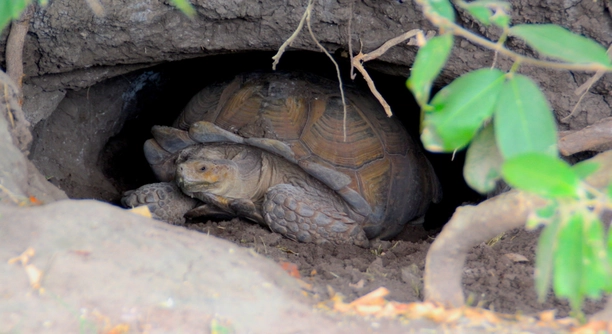
Sulcata tortoises are fascinating creatures, and it’s important to understand their dietary needs. They require specific nutrients to stay healthy, which means not all foods are safe for them. Strawberries are one of those foods that come with caution.
Sulcata tortoises can eat strawberries in moderation. While strawberries are safe, they should only be given as an occasional treat due to their high sugar content. Overfeeding can lead to digestive issues and imbalance in their diet.
Feeding your tortoise the right amount of strawberries will keep them happy and healthy. Learning the balance between treats and their main diet is key to their well-being.
What Are the Benefits of Strawberries for Sulcata Tortoises?
Strawberries offer a variety of health benefits for sulcata tortoises when fed properly. They are rich in vitamin C, an essential nutrient that supports their immune system. Additionally, strawberries contain antioxidants which can help protect against cell damage. However, because they are high in sugar, they should only be given sparingly to avoid health issues. The natural sweetness of strawberries can also be a pleasant addition to their diet, making it an enticing treat for your tortoise. With the right balance, strawberries can be a valuable part of your tortoise’s occasional snack rotation.
Although strawberries are a good source of vitamins and antioxidants, they are not a replacement for the staple diet of a sulcata tortoise. Their primary diet should consist of high-fiber grasses, hay, and leafy greens. Offering fruits like strawberries as a rare treat helps keep their diet varied and nutritious.
When adding strawberries to your sulcata tortoise’s diet, moderation is key. A small slice now and then is all they need. It’s crucial not to overdo it, as too much sugar can lead to digestive problems or obesity. By maintaining balance, you can offer this sweet treat without any negative effects.
How Much Strawberry Is Safe for a Sulcata Tortoise?
When it comes to offering strawberries, the amount is just as important as the frequency. Too much of this sweet fruit can cause more harm than good. It’s best to limit strawberry servings to just once or twice a week.
A small portion, such as a thin slice or two, is enough to satisfy your tortoise’s taste for fruit. Keep in mind that the fruit should always be fresh and free from pesticides or chemicals. You can even remove the leaves to ensure it’s safe for consumption.
Potential Risks of Overfeeding Strawberries
Too much strawberry can lead to digestive issues in sulcata tortoises. Since they are not used to large amounts of sugary fruits in their natural habitat, it can upset their system. Over time, excess sugar intake can cause imbalances in their diet and even lead to obesity.
If strawberries are given too often, your tortoise may also experience soft stools or diarrhea, which can affect their hydration and overall health. This can cause discomfort and make it harder for them to absorb the necessary nutrients from other foods. It’s important to monitor your tortoise’s reactions to new treats to ensure they are digesting them well.
For a healthy tortoise, their primary diet should consist of high-fiber grasses and leafy vegetables. Treats like strawberries should only supplement their nutritional intake. Be mindful of how frequently you offer fruit to maintain their well-being and avoid any potential risks associated with too much sugar.
How to Prepare Strawberries for Your Sulcata Tortoise
Before offering strawberries to your sulcata tortoise, proper preparation is essential. Wash the fruit thoroughly to remove any pesticides or chemicals that might be harmful. You can slice it into small pieces to make it easier for them to eat and digest.
Removing the leaves and stems ensures they aren’t eating parts that could cause discomfort or even be unsafe. Keep the portions small—just a slice or two is enough to satisfy your tortoise’s craving for fruit. Avoid adding any sugar or sweeteners, as this can upset their digestive system.
When feeding strawberries, make sure they are fresh and free from any signs of spoilage. Overripe fruit can lead to mold or bacteria growth, which is harmful to your tortoise. Always remove any uneaten fruit from their habitat promptly to avoid attracting pests or creating a mess.
Best Fruits for Sulcata Tortoises
In addition to strawberries, sulcata tortoises can enjoy a variety of other fruits in moderation. Some safe options include melon, apple, and papaya. These fruits offer essential vitamins and hydration without overloading them with sugar. Always feed fruits as a treat, not a staple.
It’s important to remember that fruits should only be an occasional addition to their diet. While they are enjoyable, tortoises rely mostly on grasses and leafy greens. By choosing fruits that are low in sugar and high in nutrients, you can provide your tortoise with a balanced and healthy diet.
Signs of Overfeeding Fruit
Overfeeding fruit to your sulcata tortoise can lead to several warning signs. If they experience soft stools, weight gain, or a decrease in appetite, it’s a sign they might be eating too much sugar. These symptoms can lead to long-term health issues.
If you notice these signs, it’s important to adjust their diet by reducing fruit intake. Keeping their meals balanced with high-fiber foods, such as grasses and greens, will help them stay healthy. Offering fruit occasionally and in small portions is the best approach to keep your tortoise in good shape.
Monitoring Their Health
Regularly monitoring your tortoise’s weight and digestion will help ensure they are on the right track. If they seem sluggish or their shell appears soft, these could be signs of dietary imbalance. Always stay alert to any changes.
FAQ
Can sulcata tortoises eat strawberries every day?
No, strawberries should not be fed to sulcata tortoises every day. While they enjoy the fruit, it’s high in sugar and can cause digestive issues if overconsumed. Limiting strawberries to once or twice a week is ideal to avoid health problems. Their main diet should consist of high-fiber grasses and leafy greens, with fruit serving as an occasional treat.
What fruits are best for sulcata tortoises?
In addition to strawberries, sulcata tortoises can enjoy fruits like melons, papaya, apples, and pears. These fruits are safe and offer essential vitamins and hydration, but they should be offered in moderation. Remember, fruits are best used as a supplement to their primary diet of grasses and vegetables.
Can sulcata tortoises eat strawberries with seeds?
Yes, sulcata tortoises can eat strawberries with seeds. The seeds in strawberries are small and not harmful to them. However, you should ensure that the fruit is properly washed to remove any pesticides or chemicals. While seeds are fine in small amounts, always stick to feeding strawberries as an occasional treat.
How much strawberry can I give my sulcata tortoise?
A small slice or two of strawberry is enough to satisfy your sulcata tortoise’s craving for fruit. The portion size should be minimal—no more than a couple of pieces per week. This will help prevent digestive issues and ensure your tortoise is getting the right nutrients from its primary diet.
What happens if I feed my sulcata tortoise too many strawberries?
Feeding your sulcata tortoise too many strawberries can lead to digestive problems, such as diarrhea or soft stools. Over time, the excess sugar can also contribute to obesity and imbalance in their diet. Stick to moderation to avoid these potential health issues.
Are there any fruits I should avoid feeding my sulcata tortoise?
Some fruits should be avoided, including citrus fruits like oranges, lemons, and grapefruits. These fruits are too acidic for sulcata tortoises and can upset their digestive system. Avocados should also be avoided, as they contain compounds that can be toxic to tortoises. Always stick to safe fruits like apples, melons, and berries.
Can strawberries cause dehydration in sulcata tortoises?
Strawberries themselves are high in water content and can help keep your sulcata tortoise hydrated. However, if they are fed in excessive amounts, the sugar content could lead to dehydration or digestive discomfort. It’s important to offer a balanced diet with plenty of water, along with fruits in moderation.
How often should I offer fruits like strawberries to my sulcata tortoise?
Fruits like strawberries should be offered no more than once or twice a week. This gives your sulcata tortoise a treat without overloading them with sugar. Their diet should primarily consist of grasses, hay, and leafy greens, with fruits serving as an occasional supplement to provide variety and extra nutrients.
Can I feed my sulcata tortoise strawberries with sugar or syrup?
No, you should never feed your sulcata tortoise strawberries with added sugar or syrup. These can be harmful to their digestive health and overall well-being. Always offer fresh, natural fruit, and avoid any processed or sweetened versions to ensure your tortoise stays healthy.
Are there any benefits to feeding strawberries to sulcata tortoises?
Yes, strawberries can provide beneficial nutrients like vitamin C and antioxidants. These help boost your tortoise’s immune system and can promote healthy skin and shell growth. However, the key is moderation—strawberries should never replace their main diet of fiber-rich grasses and vegetables.
Should I remove the stems and leaves of strawberries before feeding them to my sulcata tortoise?
Yes, it’s best to remove the stems and leaves from strawberries before offering them to your sulcata tortoise. While the fruit itself is safe, the leaves and stems can be difficult for them to digest and may cause discomfort. Always wash the fruit thoroughly and remove any parts that could pose a risk.
Can feeding strawberries to my sulcata tortoise lead to shell rot?
Feeding strawberries in moderation is unlikely to cause shell rot. However, if your sulcata tortoise’s diet is unbalanced and consists too heavily of sugary fruits like strawberries, it can lead to health problems like obesity and weakened immune function. A healthy diet of fiber-rich plants is essential for preventing shell rot and other health issues.
Is it safe to feed my sulcata tortoise overripe strawberries?
It’s not recommended to feed overripe strawberries to your sulcata tortoise. Overripe fruit can develop mold or bacteria, which could be harmful to your tortoise’s health. Always ensure the strawberries are fresh, free from mold, and in good condition before offering them as a treat.
Can strawberries help with my sulcata tortoise’s hydration?
Strawberries can help with hydration due to their high water content. While they are not a substitute for fresh water, they can be a useful addition to your tortoise’s diet, especially in hot weather. However, fruits like strawberries should only be given in moderation to avoid overloading with sugar.
Final Thoughts
When it comes to feeding sulcata tortoises, it’s important to keep their diet balanced and focused on the right foods. While strawberries can be a tasty treat, they should be offered sparingly due to their high sugar content. Sulcata tortoises thrive on a diet rich in high-fiber grasses, weeds, and leafy greens, which provide the nutrients they need to stay healthy. Fruits like strawberries, along with other safe options like melon or papaya, can add variety to their meals but should never replace the essential staple foods.
A key factor in maintaining a healthy sulcata tortoise is moderation. Overfeeding fruits like strawberries can lead to digestive problems and, over time, weight gain or other health issues. It’s essential to monitor their diet and avoid excessive amounts of sugary treats. Providing them with a variety of greens and grasses will help maintain their health and prevent potential digestive upset. Remember, fruits should only be a supplement to their main diet, not a daily offering. Regularly check their weight and behavior to ensure they are thriving.
In conclusion, while strawberries are safe and enjoyable for sulcata tortoises in small quantities, it’s crucial to prioritize their primary diet of high-fiber plants. Proper care and attention to their nutrition will ensure they live a long, healthy life. Understanding the balance between healthy food options and occasional treats will contribute to your tortoise’s well-being. So, keep strawberries to a minimum and make sure your tortoise gets the best care possible.

Hello,
If you enjoy the content that we create, please consider saying a "Thank You!" by leaving a tip.
Every little bit helps us continue crafting quality advice that supports the health, happiness, and well-being of pets around the world, for pets of all shapes, sizes, and species.
We really appreciate the kindness and support that you show us!