
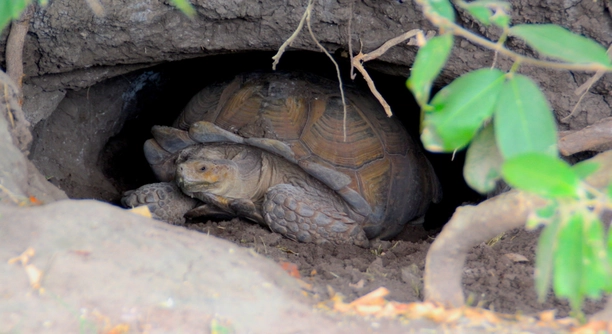
Sulcata tortoises are herbivores with specific dietary needs. Understanding the safety of different foods is important to ensure they stay healthy. Spinach is one such food that often raises questions among tortoise owners.
Sulcata tortoises can eat spinach in moderation, but it should not be a regular part of their diet. Spinach contains oxalates, which can interfere with calcium absorption and lead to kidney problems when consumed in excess.
Properly balancing their diet is key to keeping sulcatas healthy. Learning about the right amount of spinach to offer will help maintain their well-being.
Why Spinach Can Be Problematic for Sulcata Tortoises
Spinach contains high levels of oxalates, which bind to calcium and reduce its absorption in the body. Calcium is essential for bone health, and without it, sulcata tortoises can develop various health issues. Excessive consumption of spinach can also lead to kidney problems due to the buildup of oxalates. These concerns make it important to carefully monitor the amount of spinach fed to your tortoise. Although it can be a part of their diet, spinach should not be the primary vegetable offered. Overfeeding can result in long-term damage, so balancing spinach with other, safer greens is crucial.
It’s always wise to provide variety in their diet. Offering them leafy greens such as dandelion greens or collard greens is a better alternative. These greens provide the nutrients they need without the risk of calcium absorption issues.
Monitoring your tortoise’s health can prevent problems associated with improper diet. If spinach is given, it should be limited to a small amount to avoid any negative effects. Keep a close watch on any signs of health changes.
How Much Spinach is Safe for Sulcata Tortoises?
Offering spinach in moderation is key. A small amount once a week is safe, but it should never become a regular part of their diet.
Some owners may wonder if spinach can be fully eliminated from their tortoises’ meals. While not necessary, spinach can still be included occasionally. However, be sure to offer a range of other greens to ensure your tortoise gets a balanced and nutritious diet.
Alternatives to Spinach for Sulcata Tortoises
If you’re looking for alternatives to spinach, there are plenty of safe vegetables to feed your sulcata tortoise. Dark leafy greens, such as collard greens, mustard greens, and dandelion greens, are excellent choices. These greens provide necessary vitamins and minerals without the risks associated with spinach. They also help to maintain a proper calcium-to-phosphorus ratio, which is essential for bone health. A variety of safe greens will help keep your tortoise healthy and happy.
It’s important to offer different vegetables to your tortoise to make sure they get a well-rounded diet. Carrots, bell peppers, and squash are also good options. These vegetables provide fiber and other nutrients necessary for digestion. Offering a mix of these foods can prevent monotony and ensure proper nutrition.
Make sure to wash all vegetables thoroughly to remove any pesticides or chemicals before feeding them to your tortoise. Organically grown produce is a better option if available. Remember, the key is offering variety and balance, ensuring your tortoise receives everything it needs.
The Risks of Overfeeding Spinach
Feeding spinach too often can lead to significant health problems. Spinach contains high levels of oxalates, which bind to calcium in the digestive system. This makes it difficult for your tortoise to absorb the calcium, potentially leading to metabolic bone disease. Oxalates are also linked to kidney damage when consumed in large quantities. While occasional spinach can be offered, it should never be the main green.
When spinach is overfed, the build-up of oxalates interferes with calcium absorption, which could affect your tortoise’s bones. This is especially harmful during their growing stages. Without enough calcium, your sulcata tortoise may develop soft or deformed shells, leading to long-term health issues. To prevent this, be mindful of the frequency and quantity of spinach in their diet. Keeping their greens varied is essential to avoid any negative effects from overfeeding one type. Always aim for balance.
How to Prepare Spinach for Sulcata Tortoises
When feeding spinach to sulcata tortoises, preparation is key. Always wash the leaves thoroughly to remove any dirt or chemicals. It’s also best to cut the spinach into smaller pieces to make it easier for your tortoise to eat. This also helps prevent choking hazards.
While spinach can be offered raw, it’s important not to serve it in large quantities. Cutting down the portions will help manage how much they consume. Offering small amounts along with other greens can ensure your tortoise enjoys a balanced meal. Always monitor the amount given to avoid overfeeding.
The Importance of Variety in a Tortoise’s Diet
Variety is essential for your sulcata tortoise’s health. Offering different types of leafy greens, vegetables, and grasses will ensure they get a wide range of nutrients. This also helps prevent deficiencies and keeps their diet interesting.
Having a varied diet means they will receive the vitamins and minerals needed for proper growth and shell development. Rotate between different greens such as collard greens, kale, and dandelion greens. Adding fruits like apples or strawberries in small amounts will further diversify their nutrition. A mix of foods will contribute to their overall well-being.
The Role of Calcium for Sulcata Tortoises
Calcium plays a critical role in the health of sulcata tortoises. It helps maintain strong bones and a healthy shell. Without adequate calcium, your tortoise could develop metabolic bone disease, which affects its bone structure.
FAQ
Can sulcata tortoises eat spinach every day?
No, sulcata tortoises should not eat spinach every day. Spinach contains oxalates, which can interfere with calcium absorption and lead to kidney issues when consumed in large amounts. It’s best to offer spinach in moderation, only occasionally. Too much spinach can result in long-term health problems, so variety is essential.
What are the best vegetables for sulcata tortoises?
The best vegetables for sulcata tortoises are dark leafy greens, such as dandelion greens, collard greens, and mustard greens. These provide important nutrients without the risks associated with spinach. Other safe vegetables include bell peppers, squash, and carrots. Offering a mix of these ensures a balanced and nutritious diet.
How much spinach is safe for sulcata tortoises?
A small amount of spinach, once a week, is safe for sulcata tortoises. This helps minimize the risk of calcium absorption problems. It should never be the primary green offered. Rotating spinach with other leafy greens and vegetables will prevent any negative effects on your tortoise’s health.
Can spinach harm sulcata tortoises?
Yes, spinach can harm sulcata tortoises if fed too frequently. Spinach contains high oxalate levels, which can bind to calcium, preventing proper absorption. This can lead to metabolic bone disease, kidney issues, and overall poor health. Always monitor the amount and frequency of spinach to avoid these risks.
How can I balance my tortoise’s diet?
Balancing your tortoise’s diet involves offering a variety of leafy greens, vegetables, and grasses. Dark leafy greens, such as dandelion and collard greens, should be the main component of their diet. Occasionally add fruits like apples or strawberries, but only in small amounts. Offering a mix ensures your tortoise gets all the necessary nutrients.
Are fruits safe for sulcata tortoises?
Yes, fruits are safe for sulcata tortoises but should be offered in moderation. Too much sugar can upset their digestive system. Safe fruits include apples, strawberries, and melons. Always remove seeds from fruits like apples to prevent choking. Fruits should be considered a treat, not a regular part of their diet.
Is it safe to feed my tortoise store-bought salad mixes?
Store-bought salad mixes can be safe for tortoises, but you must check the ingredients. Avoid mixes with ingredients like iceberg lettuce or any pre-washed greens treated with pesticides or chemicals. Opt for organic salad mixes or prepare your own salad with safe, fresh vegetables to ensure a healthy meal.
Can sulcata tortoises eat flowers?
Yes, sulcata tortoises can eat certain edible flowers, such as hibiscus, dandelions, and nasturtiums. These flowers can be a nutritious addition to their diet, offering variety and vitamins. Always make sure the flowers are free from pesticides or chemicals, as these can harm your tortoise.
What should I do if my tortoise refuses to eat spinach?
If your tortoise refuses to eat spinach, don’t worry. It may not be their favorite food, and they may prefer other greens. You can try offering a variety of different greens and vegetables to find what they enjoy. Ensure that their diet includes a range of safe and nutritious options to keep them healthy.
Can I feed my tortoise spinach if it’s cooked?
It’s not recommended to feed cooked spinach to sulcata tortoises. Cooking alters the nutrient content of the spinach and can make it less beneficial. Offering spinach raw allows your tortoise to get the full range of vitamins and minerals. Always stick to raw, fresh spinach when you choose to feed it.
How do I know if my tortoise is getting enough calcium?
To ensure your tortoise is getting enough calcium, provide a balanced diet rich in calcium-rich greens. You can also supplement their diet with cuttlebone or calcium powder. Regularly check their shell and overall health; if there are signs of softening or deformities, they may need more calcium.
Final Thoughts
Feeding spinach to sulcata tortoises can be a part of their diet, but it must be done with caution. Spinach offers some nutritional benefits, including vitamins and minerals, but the oxalates in spinach can cause problems if consumed in excess. The oxalates bind to calcium, making it harder for your tortoise to absorb this important mineral, which is essential for bone and shell health. This is why it’s best to offer spinach sparingly, not as a regular part of their diet, but as an occasional treat.
Variety is key when it comes to feeding your sulcata tortoise. A well-balanced diet with a wide range of leafy greens, vegetables, and fruits ensures they get all the nutrients they need. Leafy greens like dandelion greens, collard greens, and mustard greens are excellent alternatives to spinach. These greens provide essential vitamins and minerals without the risk of excess oxalates. Along with these, you can safely add small amounts of fruits like apples or strawberries to keep your tortoise’s diet interesting and balanced.
Overall, the health of your sulcata tortoise depends on a varied and balanced diet. While spinach can be offered occasionally, it’s important not to overdo it. Always make sure the food you provide is safe and free from pesticides or chemicals. Regularly offer fresh greens and vegetables, and ensure that calcium and other important nutrients are part of their daily meals. By providing variety and keeping portions moderate, you’ll help support your tortoise’s overall health and well-being for years to come.

Hello,
If you enjoy the content that we create, please consider saying a "Thank You!" by leaving a tip.
Every little bit helps us continue crafting quality advice that supports the health, happiness, and well-being of pets around the world, for pets of all shapes, sizes, and species.
We really appreciate the kindness and support that you show us!