
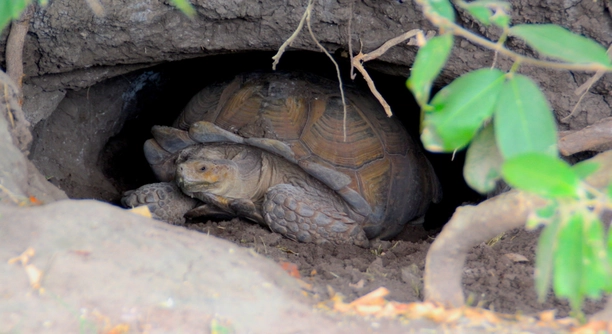
Sulcata tortoises are unique creatures that thrive in warm environments, often requiring a specific diet. As a pet owner, understanding their food needs is essential to keeping them healthy and happy.
Sulcata tortoises should not eat mushrooms. Some types of mushrooms are toxic and can cause digestive issues, liver damage, or even death. It is best to avoid feeding them mushrooms to ensure their safety and well-being.
Proper care and feeding are crucial for your tortoise’s health. It’s important to learn what foods are safe and which ones should be avoided.
Why Mushrooms Are Not Safe for Sulcata Tortoises
Mushrooms, though a popular food in human diets, are not a safe option for Sulcata tortoises. Many species of mushrooms contain toxins that can be harmful to these reptiles. Some mushrooms cause digestive issues, while others can be lethal, affecting vital organs such as the liver. Sulcata tortoises have a sensitive digestive system that cannot process certain toxins. Because of this, it’s crucial to be aware of which foods are safe for them. Feeding your tortoise mushrooms could lead to serious health problems, ranging from nausea to long-term organ damage.
If you’re unsure, it’s always safer to avoid mushrooms altogether. There are plenty of other healthy, safe options for your Sulcata tortoise that are better suited to their diet.
Mushrooms are difficult to identify for their toxicity unless you have expert knowledge. For this reason, it’s best to stick to trusted vegetables and grasses. These are much easier for your tortoise to digest and far safer. Over time, you’ll learn which foods are best for their health.
Safe Food Choices for Your Sulcata Tortoise
You can provide a balanced and healthy diet for your Sulcata tortoise by focusing on safe, nutritious foods.
Leafy greens such as dandelion greens, kale, and collard greens are excellent for your tortoise. Grass and hay should also make up a large part of their diet, as these mimic their natural food in the wild. Many tortoises also enjoy fruits like watermelon, strawberries, and cantaloupe, though these should only be given in moderation due to their sugar content. Additionally, some flowers like hibiscus and nasturtiums are a great treat for them.
By offering a variety of these safe foods, you can ensure your Sulcata tortoise gets all the nutrients it needs. Keeping their diet diverse and balanced will also keep them interested in their meals, making feeding time much more enjoyable for both of you.
Symptoms of Mushroom Toxicity in Sulcata Tortoises
If your Sulcata tortoise eats mushrooms, look for signs of illness. These can include vomiting, diarrhea, lack of appetite, and lethargy. In more severe cases, they might show signs of distress like difficulty breathing or changes in their behavior.
Toxins from mushrooms can affect various parts of the body, especially the digestive and nervous systems. The severity of symptoms depends on the type of mushroom ingested and the amount consumed. If you notice any unusual behavior or symptoms after your tortoise eats something it shouldn’t, contact a vet immediately. Early intervention can make a huge difference in recovery.
It’s essential to monitor your tortoise closely for at least 24 hours after a suspected mushroom ingestion. This can help catch any symptoms early. Even if they seem fine at first, mushrooms can cause delayed reactions, so it’s better to be safe than sorry.
What to Do If Your Sulcata Tortoise Eats Mushrooms
If your Sulcata tortoise has eaten mushrooms, it’s crucial to act quickly. Contact your vet or an emergency animal clinic right away for guidance on what steps to take. They may ask you to bring your tortoise in for a check-up or to provide details about the type of mushroom consumed.
The vet will likely perform a physical examination and may run tests to assess the tortoise’s condition. Depending on the situation, they might induce vomiting or administer activated charcoal to absorb any remaining toxins. In more serious cases, hospitalization and supportive care could be necessary to help your tortoise recover. Time is key in minimizing the effects of mushroom poisoning, so don’t wait to seek help.
Can Mushrooms Be Part of a Sulcata Tortoise’s Diet?
Mushrooms should not be part of your Sulcata tortoise’s diet, even in small amounts. Their digestive system is not built to handle the toxins found in some mushrooms.
While certain mushrooms may appear harmless, there is always a risk of toxicity. A safer approach is sticking to vegetables, grasses, and other foods that are known to be safe for tortoises.
Safe Alternatives for Treats
Instead of mushrooms, offer safe food alternatives like leafy greens, squash, or even edible flowers. These provide essential vitamins and fiber without any risk of poisoning.
These foods help support the overall health of your Sulcata tortoise and keep their diet both varied and nutritious. Ensure that these treats are fresh and free from any pesticides or chemicals.
Can Sulcata Tortoises Eat Mushrooms?
Sulcata tortoises should not eat mushrooms. Many mushrooms contain toxins that can harm their digestive system, liver, and kidneys. Even if the mushrooms seem harmless, they can still pose a risk to your tortoise’s health. It’s best to avoid feeding them mushrooms altogether. Instead, offer them safe, nutritious alternatives such as leafy greens, grasses, and vegetables.
What Are the Symptoms of Mushroom Poisoning in Sulcata Tortoises?
If your tortoise eats mushrooms, it can show signs of poisoning. These include vomiting, diarrhea, lack of appetite, lethargy, and changes in behavior. In more severe cases, your tortoise might struggle to breathe, or you might notice swelling. If you observe any of these symptoms, it’s essential to contact a veterinarian immediately. Mushroom poisoning can affect different organs, so the quicker you act, the better your tortoise’s chances of recovery.
What Should I Do If My Sulcata Tortoise Eats Mushrooms?
If your Sulcata tortoise eats mushrooms, take immediate action. Contact your vet right away, explaining the situation. Your vet will guide you on the necessary steps. Depending on the severity of the situation, they might recommend bringing your tortoise in for a check-up, or they may ask you to monitor the tortoise closely. Your vet may induce vomiting or administer activated charcoal to absorb toxins. Don’t wait for symptoms to appear, as time is critical when dealing with potential poisoning.
Are All Mushrooms Toxic to Sulcata Tortoises?
Not all mushrooms are toxic, but it’s difficult to identify which ones are safe. Wild mushrooms, in particular, carry a high risk of toxicity. Some mushrooms contain toxins that are harmful even in small quantities, and many of them are undetectable by sight alone. Since it’s hard to differentiate between safe and toxic mushrooms without expert knowledge, it’s safer to avoid feeding mushrooms entirely. Stick to vegetables, grasses, and other safe foods for your Sulcata tortoise.
Can I Feed My Sulcata Tortoise Cooked Mushrooms?
No, even cooked mushrooms should not be fed to your Sulcata tortoise. Cooking does not eliminate the toxins found in many mushrooms. In fact, cooking may make the toxins more concentrated or affect their ability to be processed by your tortoise’s digestive system. It’s better to choose foods that are known to be safe for them, such as grasses, leafy greens, and certain fruits.
What Should I Feed My Sulcata Tortoise Instead of Mushrooms?
There are many safe and nutritious foods you can feed your Sulcata tortoise instead of mushrooms. Leafy greens like dandelion greens, collard greens, and mustard greens are excellent options. You can also offer grasses, which are close to what they would eat in the wild. Vegetables such as zucchini, squash, and bell peppers are also safe and provide variety in their diet. Additionally, flowers like hibiscus and nasturtiums can be offered as treats, but they should be free of pesticides.
How Often Can I Feed My Sulcata Tortoise Treats?
Treats should be given to your Sulcata tortoise sparingly. While they enjoy the occasional treat, the majority of their diet should consist of grass, hay, and leafy greens. Too many treats can upset their digestive system or cause obesity. A good rule of thumb is to offer treats once or twice a week, ensuring they are healthy options such as fruit, edible flowers, or vegetables.
Can Sulcata Tortoises Eat Mushrooms in Small Amounts?
Even small amounts of mushrooms can be harmful to Sulcata tortoises. It’s best to avoid mushrooms entirely, as they can contain toxins that affect their liver and digestive system. While some mushrooms might appear safe, there’s no way to guarantee their safety without expert knowledge. Always opt for foods that are known to be safe and healthy for tortoises.
Are Wild Mushrooms Dangerous for Sulcata Tortoises?
Wild mushrooms are especially dangerous for Sulcata tortoises. It’s nearly impossible to identify which mushrooms are safe and which ones are toxic. Many wild mushrooms contain strong toxins that can cause serious harm to your tortoise. If your tortoise is free-roaming, be sure to check their environment for mushrooms and remove any that could potentially be dangerous. When in doubt, keep mushrooms away from your tortoise at all costs.
What Are the Best Greens for Sulcata Tortoises?
Sulcata tortoises thrive on a diet of leafy greens. Some of the best options include dandelion greens, kale, collard greens, and turnip greens. These greens are packed with essential nutrients like calcium and fiber, which are crucial for their health. Always wash the greens thoroughly to remove any dirt or pesticides, and rotate different types to provide variety in their diet. Avoid high-oxalate greens like spinach, as they can interfere with calcium absorption.
How Can I Ensure My Sulcata Tortoise Gets Enough Calcium?
Calcium is crucial for Sulcata tortoises to maintain strong bones and shells. To ensure they get enough calcium, include calcium-rich foods in their diet, such as dandelion greens, clover, and collard greens. You can also offer a calcium supplement, either in the form of a powder sprinkled on their food or a calcium block for them to nibble on. Make sure your tortoise has access to proper UVB lighting, as it helps them absorb calcium effectively.
It’s important to be aware of what foods are safe for your Sulcata tortoise to eat. While mushrooms may seem like an easy snack to offer, they pose a significant risk due to the potential for toxicity. Even small amounts of certain mushrooms can cause serious harm, including digestive problems and liver damage. Given that many mushrooms are difficult to identify and some can be toxic even in small quantities, it’s always safer to avoid them altogether. Instead of mushrooms, you can provide your tortoise with a variety of other safe foods that are both nutritious and enjoyable.
A healthy diet for your Sulcata tortoise is crucial for its long-term well-being. Fresh, leafy greens like collard greens, dandelion greens, and kale should make up most of their diet. You can also offer vegetables like zucchini, squash, and bell peppers, as well as grasses that closely mimic their natural diet in the wild. Edible flowers, such as hibiscus or nasturtiums, can be a great treat but should be given in moderation. By providing a balanced diet with a mix of different vegetables and greens, you help ensure that your tortoise gets the vitamins and nutrients it needs to stay healthy.
If you ever suspect that your Sulcata tortoise has eaten mushrooms, it’s important to act quickly. Watch for any symptoms of toxicity, such as vomiting, diarrhea, or changes in behavior, and get in touch with a vet immediately. Early intervention can make a big difference in their recovery. While mushroom toxicity is serious, it’s preventable by keeping mushrooms out of your tortoise’s diet and being cautious about what they have access to. By taking the time to educate yourself about safe foods and watching over your tortoise’s health, you can enjoy many years together, knowing that your pet is safe and well-fed.

Hello,
If you enjoy the content that we create, please consider saying a "Thank You!" by leaving a tip.
Every little bit helps us continue crafting quality advice that supports the health, happiness, and well-being of pets around the world, for pets of all shapes, sizes, and species.
We really appreciate the kindness and support that you show us!