
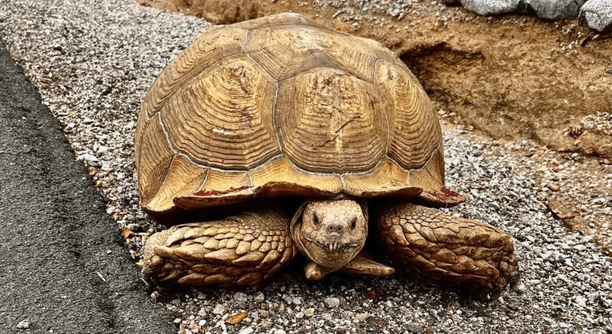
Sulcata tortoises are unique creatures with specific dietary needs. As a pet owner, you may wonder what fruits and foods are safe for them to eat. Mangoes, being a sweet and juicy fruit, often spark curiosity.
Sulcata tortoises can eat mangoes in moderation. However, mangoes are high in sugar and should not be a frequent part of their diet. Overfeeding can lead to health issues such as obesity or digestive problems.
Understanding the potential risks of feeding mangoes to your sulcata tortoise will help ensure their well-being. It’s essential to balance their diet for optimal health.
Can Sulcata Tortoises Eat Mangoes Regularly?
Mangoes are a delicious treat that many people love. While sulcata tortoises can safely eat mangoes, it is important to be cautious about how often they are given this fruit. Mangoes contain high amounts of sugar, which can affect the tortoise’s digestive system if overconsumed. In the wild, their diet is much more varied and doesn’t include high-sugar fruits like mangoes. Feeding your sulcata tortoise too much sugar can cause weight gain, which leads to other health problems such as shell deformities or heart issues.
Occasionally, a small piece of mango can be a fun treat. However, moderation is key. Limiting the intake of mangoes to once every few weeks will prevent potential issues with digestion or obesity.
In addition, it’s always essential to offer a variety of other foods to meet your tortoise’s nutritional needs. Dark leafy greens, grasses, and hay are some great options for providing essential nutrients and fiber.
Potential Health Risks of Mangoes for Sulcata Tortoises
When it comes to mangoes, there are more than just the sugar content to consider. While the fruit is packed with vitamins, like vitamin C, which can be beneficial in small amounts, the high sugar content can disrupt the delicate balance of your tortoise’s diet.
Tortoises generally have slow metabolism and, unlike humans, don’t process sugar as efficiently. If mangoes are fed too often, the sugar can lead to digestive problems such as diarrhea. Over time, this can affect the tortoise’s overall health, particularly its immune system. It’s vital to limit sugary foods like mangoes to avoid long-term issues, like fatty liver disease or obesity.
Another risk comes from the pit of the mango. Although it’s unlikely your sulcata tortoise will eat the pit, it’s essential to remove it before offering the fruit. The pit can pose a choking hazard or cause intestinal blockages if ingested. Always ensure the fruit is properly prepared to avoid any risks to your pet’s health.
How to Safely Feed Mangoes to Your Sulcata Tortoise
When feeding mangoes to your sulcata tortoise, it’s important to keep portions small. A bite-sized piece once every few weeks is enough. Always peel the mango and remove the pit, as these parts can be harmful. Avoid giving your tortoise large amounts of mango at once.
Mangoes should only be an occasional treat and should not replace the staple foods in their diet. Offer your tortoise a variety of vegetables, grasses, and hay to ensure they get the proper nutrients they need. Too much fruit can cause imbalance in their diet and lead to health issues. It’s better to offer mango as part of a mix with other vegetables like leafy greens, which are better suited for their digestive system. Always observe how your tortoise reacts to new foods and adjust accordingly.
Introducing mangoes gradually will allow you to monitor your tortoise’s health. If you notice any digestive issues, such as diarrhea or lack of appetite, stop feeding them mangoes and consult a vet.
Alternative Fruits for Sulcata Tortoises
While mangoes can be fed in moderation, other fruits are more suitable for sulcata tortoises. Fruits like papaya, strawberries, and melons are lower in sugar and can be offered more frequently. These fruits are also rich in essential vitamins and hydration, which helps support your tortoise’s health.
However, fruits should still only make up a small portion of their diet. The majority of their food intake should come from dark leafy greens, grasses, and hay. These foods offer the necessary fiber and nutrients needed to keep your sulcata tortoise healthy. Offering a variety of fruits and vegetables will ensure they get the proper vitamins and minerals while maintaining a balanced diet. Always keep in mind that too much sugar can lead to obesity and other health issues, so balance is essential.
Monitoring Your Sulcata Tortoise’s Health After Eating Mango
After feeding mango to your sulcata tortoise, keep an eye on their behavior and health. If you notice any signs of discomfort, such as lethargy, diarrhea, or changes in eating habits, it’s best to stop feeding mangoes. These symptoms could indicate a reaction to the sugar.
If no issues arise, you can continue offering mango in moderation. Always make sure you provide other healthy foods in their diet, so mangoes don’t become the main source of nutrition. Regularly check their weight and overall health to ensure they’re thriving.
Other Dietary Considerations for Sulcata Tortoises
Sulcata tortoises require a high-fiber diet, so it’s crucial to provide them with a steady supply of grass and hay. These foods help maintain their digestive health and prevent obesity. Along with greens, small portions of fruit can offer variety, but be mindful of the sugar content.
Ensure fresh water is always available. Hydration plays an important role in digestion and overall health. Offer leafy greens such as collard greens or dandelion greens, which are more suitable than sugary fruits. Keeping a balanced diet will support your tortoise’s long-term well-being.
The Importance of Variety in Their Diet
To keep your sulcata tortoise healthy, it’s essential to offer a wide variety of foods. While fruits like mangoes can be enjoyable, they should never take priority over more nutritious options. A good diet includes a mix of grasses, vegetables, and occasional fruits.
FAQ
Can sulcata tortoises eat mangoes every day?
No, sulcata tortoises should not eat mangoes every day. Mangoes are high in sugar, which can lead to digestive problems, obesity, and other health issues if eaten too frequently. They should be given only occasionally, as a treat, to avoid these risks. It’s best to offer mango no more than once every few weeks, and always in small amounts. A diet that consists mostly of grasses, hay, and leafy greens is far better for their health.
Are mangoes good for sulcata tortoises?
Mangoes do contain beneficial vitamins like vitamin C, but they are not ideal for sulcata tortoises due to their high sugar content. While a small amount now and then won’t harm your tortoise, offering mango too often can disrupt their digestive system. Fruits like mango should be considered an occasional treat, not a staple food. It’s important to focus on foods that are high in fiber and lower in sugar for optimal health.
What other fruits can sulcata tortoises eat?
Sulcata tortoises can enjoy several other fruits besides mango. Suitable options include papaya, strawberries, melons, and berries. These fruits are lower in sugar compared to mango and offer important vitamins and hydration. However, like mango, these should still be offered in moderation. The majority of their diet should consist of grass, hay, and leafy greens like dandelion greens, collard greens, or mustard greens.
How do I prepare mango for my sulcata tortoise?
When feeding mango to your sulcata tortoise, always peel the skin and remove the pit. The skin and pit could cause choking or digestive issues if ingested. Cut the mango into small, bite-sized pieces to make it easier for your tortoise to eat. Serve mango as a small part of a varied diet that includes greens, vegetables, and hay. Always ensure the mango is fresh and free from any pesticides or chemicals.
Can sulcata tortoises eat dried mango?
It is not recommended to feed your sulcata tortoise dried mango. Dried fruits tend to be concentrated in sugar and lack the moisture content of fresh fruit. The high sugar content can be harmful and could cause digestive problems. It’s best to stick with fresh fruits like mango, but only in moderation, and avoid dried varieties.
Are there any risks to feeding mango to sulcata tortoises?
Yes, there are several risks to feeding mango to sulcata tortoises, mainly due to the sugar content. Excessive sugar can lead to weight gain, obesity, and related health issues, such as fatty liver disease. Overfeeding mango can also cause digestive upset, leading to diarrhea or constipation. Additionally, the mango pit presents a choking hazard or could cause intestinal blockages. Always feed mango in moderation and make sure it’s prepared properly.
How often should I feed my sulcata tortoise fruit?
Fruits should be offered sparingly, around once every few weeks, to avoid digestive issues. A well-balanced diet of grasses, hay, and leafy vegetables should make up the majority of their intake. Offering fruits too often, especially sugary ones like mango, can lead to health problems like obesity and diabetes. Keep fruit portions small and ensure a varied diet for your tortoise.
Can mangoes cause diarrhea in sulcata tortoises?
Yes, mangoes can cause diarrhea in sulcata tortoises, especially if they are fed too much. The high sugar content can upset their delicate digestive system. It’s important to monitor your tortoise after introducing any new food, including mango. If diarrhea or other signs of digestive distress occur, remove mango from their diet and consult a veterinarian if necessary.
What is the best diet for a sulcata tortoise?
The best diet for a sulcata tortoise consists primarily of high-fiber foods such as grasses, hay, and leafy greens. These foods are rich in nutrients and help maintain their digestive health. You can occasionally offer fruits like mango in small amounts, but they should not be the primary food source. Avoid feeding them high-protein foods like meats or dairy, as these can lead to kidney problems. Consistent access to fresh water is also essential for their overall health and hydration.
Can I feed my sulcata tortoise mango seeds?
No, it’s not safe to feed your sulcata tortoise mango seeds. The seeds or pits can pose a choking hazard, and they might cause an intestinal blockage. Always ensure that any mango you feed is properly prepared by removing the seed before offering it to your tortoise. Stick to small, manageable pieces of the fruit itself to ensure your tortoise enjoys it safely.
Should I be worried about the sugar content in mango?
Yes, you should be cautious of the sugar content in mangoes. While small amounts are safe occasionally, too much sugar can lead to health problems like obesity, fatty liver disease, and digestive upset. If you’re concerned about sugar, it’s best to limit mango intake and offer lower-sugar fruits like berries and melon more often. The key is moderation and variety in your tortoise’s diet.
Final Thoughts
Mangoes can be a tasty treat for your sulcata tortoise, but they should not be a regular part of their diet. While mangoes are rich in vitamins, they are also high in sugar, which can lead to health problems if fed too frequently. It’s important to remember that sulcata tortoises thrive on a diet of grasses, hay, and leafy greens, which are high in fiber and better suited for their digestive system. Fruits, like mangoes, should be offered only occasionally and in small amounts to ensure they don’t negatively impact your tortoise’s health.
If you choose to offer mango as a treat, always make sure it’s properly prepared. Peel the skin and remove the pit, as these parts can be harmful to your tortoise. Cutting the mango into small, manageable pieces will make it easier for your tortoise to eat without risk of choking. Even when preparing the fruit correctly, always keep portions small, as overfeeding mangoes can lead to digestive issues, such as diarrhea or constipation. It’s essential to observe your tortoise after introducing any new food, including mango, to make sure they don’t experience any adverse reactions.
A balanced diet is key to keeping your sulcata tortoise healthy. Offering a variety of fresh vegetables, grasses, and occasional fruits ensures they get the right nutrients for proper growth and long-term health. If you notice any signs of digestive distress or weight gain, consider reducing or eliminating high-sugar fruits like mango from their diet. By focusing on a healthy, varied diet, you can help your sulcata tortoise thrive and live a long, happy life.

Hello,
If you enjoy the content that we create, please consider saying a "Thank You!" by leaving a tip.
Every little bit helps us continue crafting quality advice that supports the health, happiness, and well-being of pets around the world, for pets of all shapes, sizes, and species.
We really appreciate the kindness and support that you show us!