
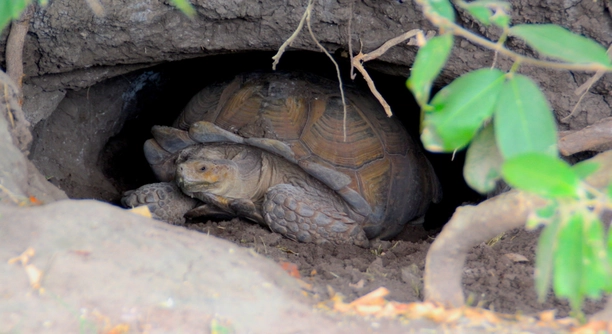
Sulcata tortoises are herbivores with specific dietary needs, and knowing what fruits they can safely eat is important. Mango is a popular fruit, but it is essential to understand whether it’s a suitable treat for your tortoise.
Sulcata tortoises can eat mango in moderation. Mangoes are rich in vitamins and antioxidants, which can benefit your tortoise’s health. However, due to their high sugar content, it’s important to offer mango as an occasional treat, not a regular part of their diet.
Learning how to properly feed your tortoise will help ensure a balanced and healthy diet, avoiding potential health risks.
Nutritional Benefits of Mango for Sulcata Tortoises
Mangoes offer a variety of health benefits for sulcata tortoises. Packed with essential vitamins like Vitamin C and Vitamin A, they help support the immune system and contribute to skin and shell health. The antioxidants in mango also assist in reducing inflammation, which can help prevent certain health issues. Additionally, mango contains fiber, which supports digestive health. However, despite these benefits, it’s crucial to remember that mango is high in sugar. Overconsumption could lead to obesity or other metabolic issues in tortoises. Moderation is key when offering this fruit as a treat.
Mango can be a good source of hydration, which is beneficial for tortoises, especially in dry climates. The water content in mango helps keep them hydrated, contributing to overall well-being.
However, offering mango frequently can lead to an imbalanced diet. Sulcata tortoises require a diet rich in grasses, leaves, and other vegetables to maintain proper health. Mango should only supplement these base foods.
Risks of Feeding Mango to Sulcata Tortoises
Feeding mango regularly can cause issues due to its sugar content. Excessive sugar intake can lead to obesity, which negatively impacts a tortoise’s mobility and overall health. Sulcata tortoises also have delicate digestive systems, and a high sugar intake may cause gastrointestinal discomfort or diarrhea.
Introducing mango gradually can help reduce the chances of digestive upset. Start with a small piece and monitor your tortoise for any signs of distress. It’s also important to remove the pit and peel, as these parts are not safe for consumption. Offering mango in small, manageable portions can allow your tortoise to enjoy the fruit without health concerns.
In addition to digestive issues, high sugar content can increase the risk of developing metabolic bone disease (MBD). This condition results from an imbalance of calcium and phosphorus in the diet and is common in reptiles that consume too many sugary fruits. Ensuring your tortoise’s diet remains balanced is crucial for preventing this serious health issue.
How to Safely Offer Mango to Sulcata Tortoises
When feeding mango to your sulcata tortoise, it’s essential to cut the fruit into small, bite-sized pieces. This makes it easier for them to eat and reduces the risk of choking. Always remove the pit and peel, as they can cause harm. Mango should be offered sparingly to avoid overfeeding.
Only offer mango as an occasional treat, not as a regular part of their diet. A small slice once or twice a week is sufficient. To balance their diet, pair mango with other healthy foods like leafy greens or flowers. Always ensure the fruit is fresh and free from pesticides.
Since mango contains sugar, it’s important to offer it alongside other low-sugar, nutrient-rich vegetables. Avoid feeding overly ripe or fermented mango, as this can upset their stomach. Keeping portions small and infrequent will allow your tortoise to enjoy the fruit without risking their health.
The Best Way to Introduce Mango into Your Tortoise’s Diet
When introducing mango to your tortoise for the first time, start with a tiny portion. This allows you to observe how your tortoise reacts to the fruit. Monitor for any signs of discomfort, such as diarrhea or a decrease in appetite. If no issues arise, you can gradually increase the amount.
Be sure to mix mango with other foods in your tortoise’s diet to ensure they maintain a balanced meal. Sulcata tortoises thrive on a variety of grasses, greens, and vegetables. Mango should never replace their primary food sources but can be a nice treat every once in a while.
Regularly offering a variety of vegetables, fruits, and herbs will help ensure your tortoise gets a wide range of nutrients. Balance is the key to promoting long-term health and preventing dietary-related illnesses. Avoid making mango a staple food item, as the high sugar content can cause unwanted health problems.
Other Fruits That Sulcata Tortoises Can Enjoy
In addition to mango, there are other fruits sulcata tortoises can enjoy in moderation. Fruits like papaya, watermelon, and strawberries provide beneficial vitamins and hydration. However, the same rule applies: offer these fruits occasionally to avoid any health complications. Always avoid high-sugar fruits as regular snacks.
To maintain a balanced diet, fruit should only make up a small portion of your tortoise’s meals. Leafy greens, grasses, and weeds should remain the primary food source. Variety is important, so mix in safe fruits occasionally to keep your tortoise’s diet interesting while still providing the necessary nutrients.
Keeping a Balanced Diet for Your Tortoise
A balanced diet for sulcata tortoises involves a variety of food items. Grasses, weeds, and leafy vegetables should always be the foundation of their diet. Fruits like mango can provide extra hydration and nutrients but must be balanced with the right types of greens to avoid too much sugar intake.
Offer your tortoise a range of vegetables, including collard greens, dandelion greens, and clover. These will provide essential vitamins and minerals. Avoid giving them too many fruits or high-protein foods, as these can cause health issues. Keeping their diet rich in fiber is crucial for digestive health.
How Often Should You Feed Mango to Your Tortoise?
Mango should be fed to sulcata tortoises sparingly. Offering it once or twice a week in small portions is enough to ensure they enjoy the fruit without risk. Monitor your tortoise’s weight and health to make sure they are not overindulging.
FAQ
Can sulcata tortoises eat mango every day?
No, sulcata tortoises should not eat mango every day. While mango provides valuable vitamins, the high sugar content can lead to obesity and digestive problems if consumed too frequently. Offering mango as a treat once or twice a week is the best approach to ensure your tortoise remains healthy.
What happens if a sulcata tortoise eats too much mango?
If a sulcata tortoise eats too much mango, it could develop digestive issues like diarrhea or become overweight. The sugar in mango can cause an imbalance in their diet, leading to health complications such as metabolic disorders. It’s important to monitor portion sizes and frequency when feeding mango.
Is mango safe for all tortoises?
While mango is safe for many species of tortoises, it’s essential to know the dietary needs of each species. For sulcata tortoises, mango should only be offered in moderation. Other tortoise species may have different tolerance levels to fruits, so it’s crucial to check their specific dietary guidelines before offering mango or any other fruit.
How do I prepare mango for my sulcata tortoise?
When preparing mango for a sulcata tortoise, first peel the fruit and remove the pit. Cut the mango into small, manageable pieces to avoid choking hazards. Serve it alongside other safe vegetables and greens, ensuring it is just a small portion of the overall meal.
Can mango help with hydration in sulcata tortoises?
Yes, mango can help hydrate sulcata tortoises due to its high water content. This is particularly useful if your tortoise is not drinking enough water on its own. However, relying too much on mango for hydration is not ideal. Provide fresh water daily to ensure they stay properly hydrated.
Should mango be a part of a tortoise’s regular diet?
Mango should not be a regular part of a sulcata tortoise’s diet. Their primary diet should consist of grass, leafy greens, and vegetables that offer fiber and nutrients. Mango and other fruits can be offered occasionally for variety, but they should not replace more nutritious food options in their diet.
What fruits are better for sulcata tortoises than mango?
Other fruits, like papaya, watermelon, and strawberries, are better options for sulcata tortoises because they have a lower sugar content compared to mango. While still offering some nutrients and hydration, these fruits are less likely to cause digestive or weight-related problems when consumed in moderation.
How much mango can I feed my sulcata tortoise?
Offer only a small piece of mango, about 1-2 tablespoons, once or twice a week. This is enough to provide nutritional benefits without overwhelming your tortoise with sugar. Remember, mango should always be a treat, not a staple food. Balance it with other foods like leafy greens and grasses.
Can sulcata tortoises eat mango skin?
No, sulcata tortoises should not eat mango skin. The skin can be difficult to digest and may cause digestive issues. Always peel the mango before offering it to your tortoise. Ensure only the flesh of the fruit is given, and make sure it’s cut into manageable pieces.
What are the health risks of feeding mango to sulcata tortoises?
Feeding too much mango can result in weight gain, obesity, or metabolic disorders like metabolic bone disease. The sugar content in mango can throw off the balance of your tortoise’s diet, leading to nutritional imbalances. It’s crucial to feed mango in moderation and as part of a balanced diet.
Can mango help with shell health in tortoises?
Mango contains vitamins A and C, both of which can contribute to better overall health, including shell health. Vitamin A plays a role in cell growth and tissue repair, which is important for maintaining a healthy shell. However, mango should not be relied upon solely for shell health, as a well-rounded diet is essential.
Is it okay to feed my tortoise frozen mango?
Frozen mango is fine for your tortoise, as long as it’s thawed before serving. Frozen fruit can sometimes be too hard for them to chew. Just ensure that the fruit is cut into small pieces and avoid any added sugars or preservatives, which can negatively affect their health.
How does mango compare to other fruits for sulcata tortoises?
Mango is higher in sugar compared to other fruits like strawberries, watermelon, or papaya. While it has vitamins and antioxidants that are beneficial, it should be given less frequently than other fruits with lower sugar content. Moderation is important to avoid health risks like obesity or digestive upset.
Can mango be harmful to baby sulcata tortoises?
Baby sulcata tortoises have smaller digestive systems, so it’s best to avoid feeding them mango until they are older. Their diet should consist primarily of grasses and leafy greens. Introducing fruits like mango too early could lead to digestive problems or an unbalanced diet. Stick to a more basic, appropriate diet for young tortoises.
How can I tell if my sulcata tortoise is overeating mango?
Signs of overeating mango may include weight gain, lethargy, or digestive issues such as diarrhea. If your tortoise is consistently eating large amounts of fruit, it may start to show these signs. Monitor their weight and health regularly to prevent overfeeding.
Can mango help boost a tortoise’s immune system?
Yes, mango contains Vitamin C, which is known to support the immune system. This vitamin helps protect against infections and supports the healing process in tortoises. However, remember that mango should be offered sparingly to avoid the negative effects of sugar.
What are the signs that a sulcata tortoise is not reacting well to mango?
If your tortoise begins to show signs of digestive upset, such as diarrhea, vomiting, or a lack of appetite, it could be reacting negatively to mango. In such cases, stop feeding mango and offer other, more appropriate foods. Monitor your tortoise’s health closely after introducing any new food.
Final Thoughts
Mango can be a tasty treat for sulcata tortoises, but it should be offered in moderation. While mango contains vitamins and hydration, the high sugar content makes it unsuitable as a regular part of their diet. Overfeeding mango can lead to health problems such as obesity, digestive issues, and metabolic disorders. It is important to offer mango only occasionally, ensuring it remains a small part of a varied and balanced diet. The main focus should always be on providing the right amount of fiber through grasses, leafy greens, and safe vegetables.
It is also important to prepare mango properly before feeding it to your sulcata tortoise. Always peel the fruit and remove the pit. Cutting the mango into small, manageable pieces will reduce the risk of choking and help with digestion. Additionally, when offering fruit, ensure that your tortoise has access to fresh water and that fruit doesn’t replace essential food like grasses or greens. Since mango is high in sugar, it should be viewed as a treat, similar to how you might offer berries or other fruits occasionally, rather than a daily food source.
Overall, while mango can be part of a healthy diet for your sulcata tortoise, the key is moderation. It provides some health benefits but must not overshadow the more important aspects of their diet. Always monitor your tortoise’s overall health, watch for signs of overfeeding, and consult a veterinarian if any health concerns arise. By following these guidelines, you can ensure your sulcata tortoise enjoys a well-balanced diet that supports its long-term health.

Hello,
If you enjoy the content that we create, please consider saying a "Thank You!" by leaving a tip.
Every little bit helps us continue crafting quality advice that supports the health, happiness, and well-being of pets around the world, for pets of all shapes, sizes, and species.
We really appreciate the kindness and support that you show us!