
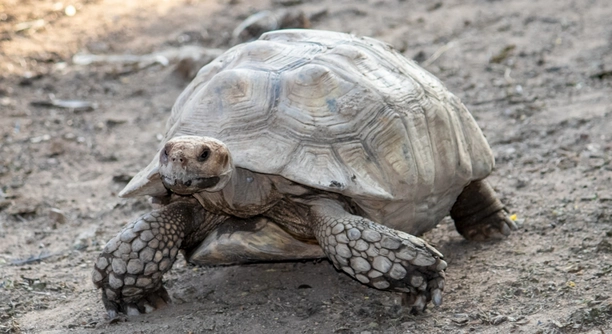
Sulcata tortoises are known for their herbivorous diet, but it is important to know which foods are safe for them. Among these, cherries may seem like a delicious treat, but should they be given to your pet?
Sulcata tortoises can eat cherries in moderation, but only occasionally. Cherries should be pitted and served in small portions to prevent health risks, such as choking or digestive issues. They are not a staple food in their diet.
Understanding the potential benefits and risks of feeding cherries to your Sulcata tortoise ensures their health remains a top priority.
Are Cherries Good for Sulcata Tortoises?
Cherries contain vitamins and antioxidants, which may sound appealing as a snack for your Sulcata tortoise. However, these tortoises are primarily herbivores, feeding on grasses, hay, and leafy greens. While cherries are not toxic, feeding them in excess can cause digestive issues. The high sugar content in cherries may lead to weight gain and other health problems. The cherry pits also pose a risk of choking, so it is important to remove them before offering cherries as a treat. Feeding cherries too frequently can disrupt your tortoise’s balanced diet, so moderation is key.
While cherries are not inherently harmful, they should only be offered occasionally, as a special treat. Regularly offering sugary fruits can affect your tortoise’s long-term health. Providing a more appropriate diet will help your Sulcata live a longer, healthier life.
Sulcata tortoises are best fed with a variety of fibrous plants, grasses, and leaves. A diet rich in calcium and low in sugar is ideal for supporting their growth and shell development. Cherry should not be a replacement for their staple foods. Instead, it can be considered an occasional snack, enjoyed in moderation. This approach ensures that your tortoise is getting all the necessary nutrients it needs to thrive.
Health Benefits of Cherries
Cherries contain vitamins such as vitamin C and beta-carotene, which can benefit your tortoise’s overall health. When fed occasionally, they provide a small boost in nutrients.
Vitamin C helps support a tortoise’s immune system, and beta-carotene promotes healthy vision and skin. These benefits can be a positive addition to a tortoise’s diet. However, due to the high sugar content in cherries, it is crucial to limit their intake to avoid upsetting their digestive system.
Moderate consumption of cherries may also have anti-inflammatory properties, which could benefit older tortoises or those with joint problems. Antioxidants like anthocyanins found in cherries help fight free radicals, potentially reducing the risk of cellular damage. Despite these benefits, it is essential to prioritize a tortoise’s main diet of fiber-rich foods to maintain its health. You should always introduce new treats, such as cherries, in small amounts, and observe for any signs of negative reactions, like bloating or lethargy.
Risks of Feeding Cherries to Sulcata Tortoises
Cherries have a high sugar content, which can cause health problems for Sulcata tortoises when eaten frequently. Too much sugar can lead to obesity, digestive issues, and even kidney problems. Additionally, the pits in cherries pose a choking hazard and can be harmful if ingested.
Cherries may also cause an imbalance in the tortoise’s diet. They are not a natural food source for Sulcata tortoises, which are adapted to grazing on grasses and other plants. Introducing sugary fruits into their diet may interfere with their normal eating habits, making them more likely to refuse healthier options. Regularly feeding cherries may also encourage your tortoise to prefer sugary foods over the more nutritious items it needs.
In addition to potential health risks, cherries are not an ideal source of the nutrients that Sulcata tortoises require for optimal growth. Cherries are low in fiber and essential minerals like calcium, which are vital for bone and shell development. Therefore, it is important to limit cherry consumption to prevent nutritional imbalances. A diet focused on natural, fibrous plants will better support your tortoise’s long-term health.
How to Safely Feed Cherries to Sulcata Tortoises
If you choose to offer cherries as a treat, make sure to remove the pits. Always serve cherries in small portions, ensuring that they don’t make up a large part of your tortoise’s diet. Limiting their intake helps reduce the risk of sugar-related health issues.
Offer cherries as an occasional treat, not a regular part of their diet. You can also try cutting them into smaller pieces to make them easier for your tortoise to eat. It’s important to monitor your tortoise after introducing any new food. Watch for signs of digestive upset or discomfort, such as bloating or lack of interest in its regular food. Always remember that treats should never replace their essential greens and hay.
Providing your tortoise with a variety of appropriate foods is key to keeping it healthy. High-fiber plants like dandelion greens, clover, and grasses should make up the bulk of their diet. Treats, like cherries, should be rare and given only when the tortoise is in good health.
Cherry Alternatives for Sulcata Tortoises
If you’re looking for other fruits to offer your Sulcata tortoise, consider safer options like strawberries, melon, or papaya. These fruits are lower in sugar and less likely to cause digestive issues.
It’s important to keep fruit intake limited, as Sulcata tortoises should primarily consume grasses, leaves, and vegetables. Fruits can be high in sugar, so moderation is key. Too much fruit can throw off the balance of their diet, leading to potential health issues.
What to Do if Your Sulcata Tortoise Shows Negative Symptoms
If your tortoise starts showing signs of digestive distress after eating cherries, such as bloating or reduced appetite, stop offering cherries immediately. Ensure its regular diet of fiber-rich foods is maintained.
Consult a vet if the symptoms persist. In some cases, dietary adjustments are needed to restore balance and prevent further issues.
FAQ
Can Sulcata tortoises eat cherries every day?
No, Sulcata tortoises should not eat cherries every day. While cherries are not toxic, they are high in sugar and low in essential nutrients for tortoises. Daily consumption can lead to digestive issues, obesity, and other health problems. It’s best to limit cherries to an occasional treat, not a regular part of their diet.
Are cherry pits harmful to Sulcata tortoises?
Yes, cherry pits are dangerous to Sulcata tortoises. They can cause choking or intestinal blockages if ingested. Always remove the pits before offering cherries, or avoid feeding cherries entirely. The safety of your tortoise is the priority, and cherry pits pose a clear risk.
What fruits are safe for Sulcata tortoises?
Fruits such as strawberries, watermelon, and cantaloupe can be offered in moderation. These fruits are lower in sugar than cherries, making them a safer choice for your tortoise. Always ensure that the fruits you give are free of seeds or pits, and keep the portions small to prevent sugar overload.
How often should I feed my Sulcata tortoise fruit?
Fruits should be offered rarely, about once or twice a week. A tortoise’s primary diet should consist of high-fiber plants, grasses, and leafy greens. Treats like fruit should not make up more than 10% of their diet. Overfeeding fruit can lead to imbalanced nutrition and health issues.
Can cherries cause diarrhea in Sulcata tortoises?
Yes, cherries can cause diarrhea in Sulcata tortoises, especially if they are fed too frequently or in large quantities. The sugar content in cherries can upset their digestive system, leading to soft stools or diarrhea. If your tortoise experiences diarrhea, stop feeding cherries and focus on their regular diet of greens and hay.
What vegetables can I safely feed my Sulcata tortoise?
Sulcata tortoises can enjoy a variety of leafy greens and vegetables, such as dandelion greens, collard greens, mustard greens, and turnip greens. Vegetables like squash, bell peppers, and carrots are also good options in moderation. Avoid feeding them spinach or high-oxalate vegetables, as they can interfere with calcium absorption.
Is it okay to feed Sulcata tortoises fruit skins?
While some fruit skins, like apple or pear skins, are safe for Sulcata tortoises, others may be too tough or contain chemicals. It’s important to wash all fruit thoroughly before feeding and remove skins if they seem too tough or hard for the tortoise to eat. Always be cautious and observe your tortoise’s ability to chew and digest the food.
Can Sulcata tortoises eat dried fruit?
Dried fruit is not recommended for Sulcata tortoises. Dried fruit is often high in sugar, which can negatively affect their health. The dehydration process can also concentrate sugars, making it more harmful to their digestive system. Stick to fresh, whole fruits in small quantities to avoid these risks.
How do I know if my Sulcata tortoise is eating too much fruit?
If your Sulcata tortoise is eating too much fruit, it may show signs of digestive distress, such as diarrhea, bloating, or a lack of interest in its regular food. Over time, too much fruit can lead to weight gain and unhealthy conditions like obesity. Pay attention to your tortoise’s eating habits and make adjustments if necessary.
Should I offer my Sulcata tortoise cherries if it has a health condition?
If your Sulcata tortoise has a health condition, it is best to avoid offering cherries. The high sugar content could worsen certain conditions like obesity, kidney disease, or digestive issues. Always consult with a veterinarian before introducing any new food, especially if your tortoise is dealing with health concerns.
Can I feed Sulcata tortoises canned fruit?
No, canned fruit is not recommended for Sulcata tortoises. Canned fruit often contains added sugars, preservatives, and artificial flavorings, which are harmful to their health. Fresh fruit is the best option, but it should still be given in moderation. Always prioritize their natural, high-fiber diet of grasses and leafy greens.
Can Sulcata tortoises eat fruit peels?
Some fruit peels are safe for Sulcata tortoises, such as those from apples and pears. However, other peels may be difficult for them to digest or could contain pesticides. It is important to wash all fruits thoroughly before feeding them to your tortoise and remove any peels that may pose a risk.
What can I do if my Sulcata tortoise stops eating fruit?
If your Sulcata tortoise stops eating fruit, it is likely due to preference or digestive upset. Tortoises may sometimes refuse certain foods based on texture or taste. If fruit is part of their diet and they refuse it, make sure they are still consuming their regular greens and vegetables. If the refusal persists, consider consulting a vet to rule out any underlying health issues.
Final Thoughts
Sulcata tortoises are herbivores that require a balanced diet rich in fiber. While cherries are not toxic, they should only be offered in moderation due to their high sugar content. Feeding cherries too frequently may cause digestive issues or weight gain, which can negatively affect your tortoise’s health. It’s important to focus on providing a variety of leafy greens, grasses, and safe vegetables as the main components of their diet. Fruit should be an occasional treat rather than a staple.
When offering cherries or any other fruit, always remove the pits, as they can pose a choking hazard or cause blockages. Make sure the fruit is cut into small, manageable pieces that are easy for your tortoise to eat. Always wash the fruit thoroughly to remove any chemicals or pesticides that may be harmful. If you notice any digestive upset or other signs of illness after feeding cherries, it’s best to remove them from your tortoise’s diet and consult with a veterinarian if necessary. Maintaining a clean and safe feeding routine is essential to your tortoise’s well-being.
By understanding the dietary needs of Sulcata tortoises, you can ensure that they live a long, healthy life. While cherries can be a fun treat, they should never replace the essential foods that support their overall health. Always monitor how your tortoise responds to different foods and adjust accordingly. With the right balance of nutrients and proper care, your Sulcata tortoise can thrive in a safe and healthy environment.

Hello,
If you enjoy the content that we create, please consider saying a "Thank You!" by leaving a tip.
Every little bit helps us continue crafting quality advice that supports the health, happiness, and well-being of pets around the world, for pets of all shapes, sizes, and species.
We really appreciate the kindness and support that you show us!