
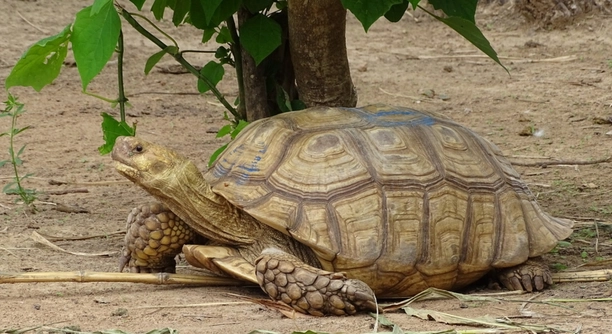
Sulcata tortoises are unique creatures that require a special diet to stay healthy. While we enjoy sharing different foods with our pets, it’s important to know what’s safe and beneficial for them.
Sulcata tortoises can eat Brussels sprouts in moderation, but they should not be a regular part of their diet. Overconsumption may lead to digestive issues or goitrogenic effects that interfere with thyroid function.
Understanding which vegetables are best for your tortoise’s diet is key to keeping them happy and healthy.
What Are Brussels Sprouts?
Brussels sprouts are small, green vegetables that resemble tiny cabbages. They are rich in fiber, vitamins, and minerals, making them a healthy choice for many people. However, for tortoises, the situation is a bit different. While they are safe to eat in small amounts, they don’t offer the necessary nutrients that Sulcata tortoises need on a daily basis. Too many Brussels sprouts can cause digestive upset, and they may also interfere with thyroid function over time. As herbivores, Sulcata tortoises thrive on a varied diet of grasses, hay, and leafy greens.
Although Brussels sprouts aren’t harmful in moderation, they aren’t particularly beneficial either. It’s important to provide your tortoise with foods that are more suited to its specific dietary needs. Too much of anything, even healthy food, can upset the balance in their diet.
Tortoises require calcium-rich plants like dandelions, collard greens, and clover. These foods support strong bones and overall health. When feeding your Sulcata tortoise, aim for a wide variety of grasses, hay, and safe vegetables that closely resemble their natural diet. Brussels sprouts should be a rare treat rather than a regular part of their meals. Always be cautious with new foods, and consult a veterinarian if you’re unsure.
Potential Risks of Brussels Sprouts for Tortoises
Feeding Brussels sprouts to your Sulcata tortoise can cause some digestive issues. The high fiber content, while generally good for digestion, can be too much for their system when overfed.
If a Sulcata tortoise consumes Brussels sprouts regularly, it could experience bloating or other stomach problems. In addition, the vegetable contains goitrogens—compounds that can interfere with thyroid function. This is a concern for tortoises that already have a sensitive or weaker thyroid system. It’s best to stick to more natural, fiber-rich food sources that don’t carry these potential risks.
How Often Can Sulcata Tortoises Have Brussels Sprouts?
If you choose to feed Brussels sprouts to your Sulcata tortoise, it should be an occasional treat, not a regular part of their diet. Moderation is key.
Feeding Brussels sprouts to your tortoise more than once a month can lead to potential health risks like digestive problems or thyroid issues. Ideally, these vegetables should make up only a small portion of their diet. Stick to offering Brussels sprouts only when you have no other suitable greens available, or as a once-in-a-while snack. Be sure to monitor for any signs of discomfort or unusual behavior after consumption.
When adding Brussels sprouts to your tortoise’s diet, remember that their primary nutritional needs should be met through grasses, hay, and other leafy greens. As an herbivore, your tortoise will benefit from a balanced diet that mimics its natural habitat. Try not to let Brussels sprouts take center stage in their meals.
Best Alternatives to Brussels Sprouts
Brussels sprouts can be swapped out for other, more appropriate greens. These alternatives provide the necessary vitamins and nutrients Sulcata tortoises need.
Leafy greens such as collard greens, kale, and mustard greens are ideal for Sulcata tortoises. These are calcium-rich and help promote healthy bone growth. In addition, dandelion greens and clover can offer variety and important nutrients. Fresh hay, like timothy or oat hay, should also be a daily staple. These foods are much closer to what Sulcata tortoises would naturally graze on in the wild, ensuring a more balanced and healthy diet. These options are easier for their digestive system to handle, and they help maintain the proper level of nutrients. By focusing on these alternatives, your tortoise will thrive and stay healthy.
How Brussels Sprouts Affect a Tortoise’s Digestion
Brussels sprouts are high in fiber, which can be tough on a Sulcata tortoise’s digestive system. Too much fiber can cause bloating and discomfort.
For Sulcata tortoises, their digestive system is designed to handle grass and fibrous plants in moderate amounts. When Brussels sprouts are overfed, they can cause upset stomachs and slow digestion. This can lead to dehydration and make them less active. Always watch for signs of discomfort after feeding any new food.
Impact on Tortoise’s Thyroid Function
Goitrogens found in Brussels sprouts can disrupt thyroid function in tortoises. These compounds interfere with iodine absorption, which is crucial for thyroid health.
Feeding Brussels sprouts too often can contribute to thyroid issues over time, especially if the tortoise is already susceptible. This is why it’s important to limit or avoid these vegetables in their diet. Instead, provide foods that support overall health, like leafy greens and grasses.
Can Sulcata Tortoises Eat Other Cruciferous Vegetables?
Yes, Sulcata tortoises can eat other cruciferous vegetables like broccoli, cabbage, and cauliflower, but these should also be given in moderation. These vegetables, like Brussels sprouts, contain goitrogens which may interfere with thyroid function if consumed too frequently. While an occasional serving of these veggies won’t harm your tortoise, they shouldn’t be the main food source. It’s best to offer them as a treat once in a while, not as a regular part of their diet. Instead, prioritize safe, calcium-rich vegetables like dandelion greens and clover. These are much better suited for supporting your tortoise’s health.
Are Brussels Sprouts Safe for Baby Sulcata Tortoises?
No, Brussels sprouts are not recommended for baby Sulcata tortoises. Young tortoises are still growing and developing, and their nutritional needs are more specific. Foods that are too fibrous or that contain goitrogens, like Brussels sprouts, may not be ideal for them. Their digestive systems are more sensitive, and overfeeding these vegetables can lead to digestive issues or growth problems. Stick to a diet of grasses, high-calcium leafy greens, and hay to ensure proper growth. If you’re unsure about what to feed your baby tortoise, it’s always best to consult a vet who specializes in reptiles.
Can Brussels Sprouts Help with a Tortoise’s Health?
While Brussels sprouts have some beneficial nutrients, they are not the best choice for supporting a tortoise’s overall health. They do contain fiber, vitamins, and antioxidants, but the potential risks outweigh the benefits. Tortoises, especially Sulcatas, require a diet rich in calcium, fiber, and low in phosphorus to maintain proper health. Brussels sprouts can be too high in fiber and goitrogens, both of which can cause long-term issues when fed in excess. It’s better to focus on other vegetables that are better suited to their dietary needs, such as collard greens and turnip greens.
How Can I Safely Introduce New Foods Like Brussels Sprouts?
If you want to introduce Brussels sprouts or any new food to your tortoise’s diet, start slowly. Offer a small amount and observe their behavior and digestion over the next few days. If they seem to tolerate the new food without any signs of discomfort, such as bloating or lethargy, it may be safe to feed it occasionally. Always avoid feeding large quantities, and try not to rely on the same food repeatedly. Rotation of greens is important for their well-being. Also, consult a vet before introducing any new food to ensure it’s safe for your specific tortoise.
What Should I Do if My Tortoise Eats Too Many Brussels Sprouts?
If your tortoise eats too many Brussels sprouts, you should monitor them closely for any signs of digestive distress, such as bloating, lethargy, or trouble passing waste. It’s important to ensure they have access to plenty of clean water and a proper diet of fiber-rich, calcium-filled greens. If any issues arise, like discomfort or a loss of appetite, contact a reptile vet immediately. They may need help managing any digestive upset or nutritional imbalances caused by overeating inappropriate food. In the future, avoid offering Brussels sprouts too frequently and always stick to their staple foods.
Can Sulcata Tortoises Eat Brussels Sprouts Raw or Cooked?
Brussels sprouts can be fed either raw or cooked, but raw is usually the best option. Cooking can break down some of the nutrients and reduce the vegetable’s fiber content, making it easier to digest. However, cooking Brussels sprouts also increases the risk of overcooking, which can cause nutrient loss and render them less beneficial. If you do choose to cook Brussels sprouts, steam them lightly without adding any oils or spices. However, raw Brussels sprouts are typically better, as long as they are given in moderation. Just ensure you chop them into small, manageable pieces for your tortoise.
What Are the Best Foods for Sulcata Tortoises?
The best foods for Sulcata tortoises are those that closely mimic their natural diet. Grasses are the most essential food group for these tortoises, as they provide the right amount of fiber and nutrients. Other great options include hay like timothy or oat hay, which are rich in fiber and support digestion. Leafy greens, such as collard greens, mustard greens, and dandelion greens, are also good choices. You can occasionally feed your tortoise small portions of fruits like strawberries, but avoid sugary fruits regularly. A variety of high-fiber, calcium-rich vegetables ensures that your tortoise gets the nutrition it needs to stay healthy.
Can I Feed My Sulcata Tortoise a Salad with Brussels Sprouts?
While it’s possible to feed your Sulcata tortoise a salad with Brussels sprouts, it should only be done occasionally and in small amounts. Make sure the salad includes other vegetables that are more beneficial, like kale, collard greens, and dandelion greens. Brussels sprouts can be added as a garnish or small portion, but they should not dominate the salad. When preparing salads, avoid adding any salad dressings, oils, or seasonings, as these are harmful to your tortoise. Keep the mix varied to ensure a balanced diet with foods that support your tortoise’s health in the long term.
Are There Any Vegetables I Should Avoid Feeding My Tortoise?
Yes, there are several vegetables you should avoid feeding your tortoise. These include onions, garlic, potatoes, and rhubarb, as they can be toxic to reptiles. Vegetables that are high in oxalates, like spinach, should also be limited because they can bind to calcium and prevent proper absorption. Avoid any vegetables that are high in fat or sugar, like corn or tomatoes, as these can cause imbalances in their diet. Always research any new vegetable before feeding it to your tortoise to ensure it’s safe and beneficial for their health.
When it comes to feeding your Sulcata tortoise, variety and moderation are key. While Brussels sprouts are not toxic, they are not the most suitable vegetable for regular feeding. These vegetables can cause digestive issues and may interfere with thyroid health if consumed too frequently. Though they do provide some nutrients like fiber and vitamins, their potential risks outweigh the benefits. So, it’s best to limit Brussels sprouts to occasional treats, rather than making them a staple in your tortoise’s diet.
Sulcata tortoises thrive on a diet that closely mimics what they would naturally eat in the wild. Their primary diet should consist of grasses, hay, and leafy greens rich in calcium. Vegetables such as collard greens, dandelion greens, and clover provide the essential nutrients your tortoise needs for proper growth and health. While it can be tempting to offer a wide variety of foods, focusing on the right types of greens and fibrous plants ensures that your tortoise receives the balanced diet it requires.
Ultimately, feeding your tortoise a healthy, well-rounded diet is one of the best ways to ensure its long-term health. It’s important to carefully monitor what foods are offered and avoid those that may cause harm. If you’re ever unsure about what to feed your tortoise, consulting a reptile vet or an experienced tortoise keeper can help guide you toward making the best decisions. By understanding the nutritional needs of your tortoise and providing the right foods, you can support its well-being and ensure it lives a long, healthy life.

Hello,
If you enjoy the content that we create, please consider saying a "Thank You!" by leaving a tip.
Every little bit helps us continue crafting quality advice that supports the health, happiness, and well-being of pets around the world, for pets of all shapes, sizes, and species.
We really appreciate the kindness and support that you show us!