
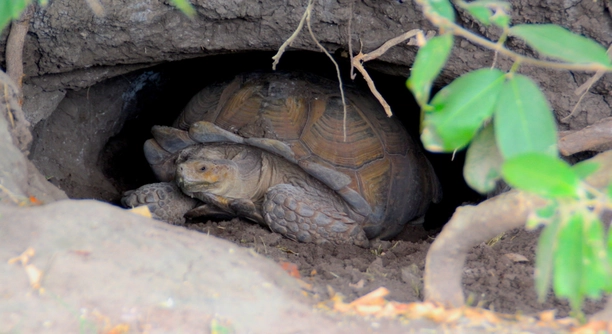
Sulcata tortoises are herbivores, and their diet primarily consists of grasses, weeds, and leafy greens. However, it’s important to understand what fruits are safe for them to enjoy as treats. Blueberries are one of these fruits.
Sulcata tortoises can eat blueberries in moderation, as they are safe and non-toxic. However, due to their sugar content, they should only be given occasionally, as too many can cause digestive issues or contribute to obesity.
Knowing how to safely introduce fruits like blueberries into your tortoise’s diet will help maintain their health. Understanding proper serving sizes and frequency is essential for a balanced nutrition plan.
What Are the Benefits of Blueberries for Sulcata Tortoises?
Blueberries are packed with antioxidants, vitamins, and fiber, making them a nutritious treat for sulcata tortoises when offered in moderation. They contain vitamin C, which supports immune function and overall health. The high fiber content can aid digestion, making them a good option for tortoises that need a little extra help in that department. Additionally, the antioxidants in blueberries may assist in reducing inflammation, keeping your tortoise’s body in balance. However, as with any treat, it’s essential to offer them sparingly to avoid overwhelming your tortoise’s digestive system with excess sugar.
While blueberries are beneficial, moderation is key. They should be given as an occasional treat and not as a staple part of their diet. Excessive sugar can lead to obesity or other health issues. Always balance their diet with grasses, weeds, and other leafy greens that provide the nutrients they need for optimal health.
Including blueberries once in a while can offer variety and boost the tortoise’s diet. But overfeeding any sugary fruit can have consequences, such as digestive issues. Keep in mind that healthy tortoises thrive on a grass-based diet, with occasional fruits as a treat.
How to Safely Feed Blueberries to Your Sulcata Tortoise
When feeding blueberries to your sulcata tortoise, it’s important to remember the right serving size. One or two blueberries are enough for a tortoise that weighs a few pounds. Larger tortoises may handle a few more, but moderation is still essential.
Ensure that the blueberries are thoroughly washed to remove any pesticide residue or harmful chemicals. Avoid any pre-packaged or processed blueberries, as they may contain added sugar or preservatives that aren’t safe for your tortoise. Always stick to fresh, organic options if possible to avoid unwanted additives.
Keep in mind that while blueberries provide some vitamins and fiber, they should not replace the essential grasses and leafy greens that are the primary food for sulcata tortoises. Offering a variety of fruits and vegetables, while being mindful of sugar content, helps keep your tortoise healthy. Regularly observe your tortoise’s behavior and health to ensure they aren’t showing signs of an upset stomach or weight gain from too much fruit.
How Often Should You Feed Blueberries to a Sulcata Tortoise?
Blueberries should only be given to your sulcata tortoise as an occasional treat. Offering them once or twice a week is ideal, but not more frequently. Overfeeding sugary fruits can lead to weight gain or digestive upset. Stick to a balanced diet of grass and leafy greens, with blueberries as a small supplement.
The frequency at which you offer blueberries depends on your tortoise’s overall health and weight. If your tortoise seems to be gaining weight or experiencing digestive issues, reduce the number of fruits in their diet. Additionally, make sure their primary food sources remain nutrient-dense grasses and vegetables.
Pay attention to any changes in your tortoise’s behavior after feeding blueberries. If they show signs of discomfort or reduced activity, it might be worth cutting back on the fruit or offering it less often. Always aim to keep the balance between treats and regular meals.
What Are the Risks of Feeding Blueberries to Sulcata Tortoises?
Overfeeding blueberries can lead to digestive problems like diarrhea or bloating. Their high sugar content is the main concern, as it can disrupt your tortoise’s digestive system. Sulcatas are adapted to a diet mostly made up of grasses and vegetation, so introducing sugary foods too often can upset their natural digestion.
Another potential risk of overfeeding fruits like blueberries is weight gain. While the occasional blueberry treat is harmless, offering too many can cause your tortoise to consume excess calories, leading to obesity. Obesity in tortoises can lead to further health complications, such as joint problems or reduced mobility. Monitoring portion sizes is essential.
To keep your sulcata tortoise healthy, it’s best to avoid making fruits like blueberries a regular part of their diet. They may love the taste, but their bodies are designed to process natural vegetation, not sugary fruits. Keep their diet focused on the essentials while using blueberries sparingly.
Can Blueberries Help with Your Sulcata Tortoise’s Hydration?
Blueberries contain a good amount of water, which can help keep your sulcata tortoise hydrated. However, they shouldn’t replace their primary water source, as tortoises still need fresh water for proper hydration. Use blueberries as a supplemental source of moisture.
In small amounts, blueberries can offer some hydration. However, always provide access to clean water daily. Offering fresh water is essential, as it ensures your tortoise stays well-hydrated without relying too much on fruits. Keep an eye on their water consumption, especially if they eat more fruits like blueberries.
Are There Any Alternatives to Blueberries?
There are many other fruits and vegetables you can offer your sulcata tortoise. For example, leafy greens like kale or dandelion leaves are excellent choices. You can also provide small amounts of fruits like strawberries, cantaloupe, or melon.
Switching up the treats can give your tortoise more variety. Just remember to keep their diet balanced with appropriate grasses and weeds. Fruits should always remain an occasional treat, with most of their nutrition coming from greens and plants that are more suitable for their digestive system.
FAQ
Can Sulcata Tortoises Eat Blueberries Every Day?
No, sulcata tortoises should not eat blueberries every day. Blueberries are high in sugar, which can cause digestive problems and lead to obesity if consumed too often. These tortoises are herbivores, and their diet should mainly consist of grasses, weeds, and leafy greens. Blueberries should only be offered as an occasional treat, about once or twice a week, to prevent any health issues.
What Happens if My Sulcata Tortoise Eats Too Many Blueberries?
If your sulcata tortoise eats too many blueberries, they might experience digestive upset, such as diarrhea or bloating. The high sugar content in blueberries can disrupt their gut health and lead to issues like soft stools or dehydration. Additionally, overfeeding can lead to weight gain, which puts extra strain on their joints and can reduce mobility.
Are Blueberries Safe for Baby Sulcata Tortoises?
While blueberries are not toxic to baby sulcata tortoises, they should still be given in moderation. Young tortoises have more delicate digestive systems, so too much fruit could cause stomach upset. Stick to offering small amounts of blueberries and monitor their reaction. Always prioritize their primary diet of grass, hay, and leafy greens.
How Do I Prepare Blueberries for My Sulcata Tortoise?
Before offering blueberries, wash them thoroughly to remove any pesticides or chemicals. It’s best to give them fresh, organic blueberries. You can feed them whole, but make sure they’re cut into smaller pieces if they’re large. Avoid processed or sugary blueberry products, as they can harm your tortoise.
Can Blueberries Replace Their Normal Diet?
No, blueberries should never replace the normal diet of a sulcata tortoise. Their primary nutrition comes from grasses and leafy greens, which provide essential fiber and nutrients. Fruits like blueberries should only be given occasionally as a treat and shouldn’t make up a large portion of their diet. Over-relying on fruits can lead to poor nutrition.
Can Sulcata Tortoises Eat Frozen Blueberries?
It’s generally safe to feed sulcata tortoises frozen blueberries, but it’s better to serve them fresh when possible. Frozen fruit can be harder for tortoises to digest and may not be as beneficial as fresh fruit. If you do give frozen blueberries, make sure they’re thawed first and serve them in moderation.
Are There Any Health Benefits of Blueberries for Sulcata Tortoises?
Blueberries do provide some health benefits for sulcata tortoises, including antioxidants, vitamins, and fiber. Antioxidants help reduce inflammation, while vitamins like C can support immune function. The fiber in blueberries aids digestion. However, these benefits are only useful in moderation and should not replace the tortoise’s regular diet of grasses and vegetables.
Can Blueberries Be Harmful to Sulcata Tortoises?
Blueberries are not inherently harmful to sulcata tortoises, but feeding them in large quantities can be harmful. The high sugar content can cause digestive issues and lead to obesity. Too much fruit can also upset the balance of their gut bacteria, leading to long-term health problems. Always give blueberries sparingly.
How Do I Know If My Sulcata Tortoise Is Eating Too Many Blueberries?
If your sulcata tortoise is eating too many blueberries, they may exhibit signs of digestive discomfort, such as diarrhea or a lack of appetite. You might also notice weight gain or lethargy. If you see these signs, cut back on the blueberries and ensure their diet is primarily made up of grass, hay, and leafy greens.
Can Sulcata Tortoises Eat Other Types of Berries?
Sulcata tortoises can eat other types of berries, such as strawberries, raspberries, and blackberries. However, like blueberries, they should only be fed occasionally and in moderation. All berries have high sugar content, so too many can lead to the same issues as with blueberries. Stick to a varied but controlled diet to keep them healthy.
Should I Remove Blueberries if My Tortoise Doesn’t Eat Them?
If your tortoise doesn’t show interest in the blueberries, don’t force them. Some tortoises may simply not like the taste or texture. If the blueberries are left uneaten, remove them to prevent them from spoiling and attracting pests. It’s important to monitor their preferences and offer a variety of healthy options.
In conclusion, blueberries can be a safe and enjoyable treat for sulcata tortoises when offered in moderation. These fruits provide some beneficial nutrients like vitamins, antioxidants, and fiber, which can help with digestion and overall health. However, it’s important to remember that they should only be a small part of their diet. The primary nutrition for sulcata tortoises should come from grasses, weeds, and leafy greens, as these foods are better suited to their digestive system and provide the essential nutrients they need for long-term health.
While blueberries are not harmful in small amounts, overfeeding them can lead to digestive issues like diarrhea, bloating, or even weight gain. Their high sugar content is the main concern, so it’s essential to limit how often you give them blueberries. As with any treat, moderation is key to ensuring that your tortoise stays healthy and doesn’t experience negative side effects from too much sugar or fruit. By offering blueberries once or twice a week and keeping their diet focused on grasses and vegetables, you can help maintain a balanced, healthy feeding routine.
If you’re unsure about what to feed your sulcata tortoise or how often to offer fruits like blueberries, it’s always a good idea to consult with a veterinarian who specializes in reptiles. They can provide guidance tailored to your tortoise’s specific health needs and help you make informed decisions about their diet. Offering a variety of safe fruits and vegetables along with their staple grass diet will help keep your tortoise happy and healthy, ensuring that treats like blueberries don’t interfere with their overall well-being.

Hello,
If you enjoy the content that we create, please consider saying a "Thank You!" by leaving a tip.
Every little bit helps us continue crafting quality advice that supports the health, happiness, and well-being of pets around the world, for pets of all shapes, sizes, and species.
We really appreciate the kindness and support that you show us!