
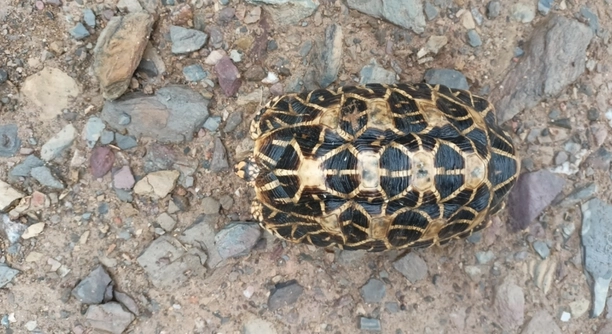
Star tortoises are fascinating creatures that make great pets. If you’re wondering about what foods they can safely eat, tomatoes might come to mind. It’s important to know whether this common fruit is good for them.
Star tortoises can eat tomatoes in moderation. However, they should not consume them regularly as they may cause digestive issues due to their acidity and high water content. Offering tomatoes as an occasional treat is safest.
While tomatoes might be a tasty option, it’s important to consider both the risks and benefits before feeding them to your star tortoise. Understanding this will help ensure your pet stays healthy and happy.
Can Star Tortoises Safely Eat Tomatoes?
Tomatoes are often seen as a healthy food option for many pets, but for star tortoises, it’s not so simple. While they can occasionally enjoy a small slice, tomatoes are not an ideal food choice for regular feeding. Their high acidity can upset a tortoise’s stomach and cause digestive issues. Additionally, tomatoes have a high water content, which may lead to diarrhea or dehydration if fed in excess. Since star tortoises thrive on a diet of leafy greens, grasses, and some fruits, it’s best to limit their intake of tomatoes.
Tomatoes are best served as an occasional treat, not a staple.
In small amounts, tomatoes provide some nutritional benefits, like vitamin C and potassium. However, the risks generally outweigh the benefits when it comes to feeding them regularly. Over time, too much tomato in your tortoise’s diet can lead to long-term health problems, including poor digestion. If you do choose to feed tomatoes, ensure the portion size is small, and remove any seeds or green parts, as these can be harmful to your pet.
The Risks of Feeding Tomatoes
While feeding your star tortoise tomatoes may seem harmless, there are risks to consider. One of the main concerns is the presence of solanine, a naturally occurring chemical in tomatoes, especially in the green parts of the plant. Solanine can be toxic to tortoises, causing symptoms like lethargy and digestive distress. Even small amounts can be harmful, so it’s important to remove the leaves, stems, and unripe fruit before offering tomatoes to your pet.
Tomatoes also contain oxalates, which can bind with calcium and lead to kidney stones if consumed too frequently. This can be especially dangerous for star tortoises, which need a proper calcium-to-phosphorus ratio for healthy shell growth. Overfeeding tomatoes can upset this balance, affecting your tortoise’s overall health. Given these risks, it’s crucial to be cautious about the amount and frequency of tomatoes in their diet.
The Benefits of Tomatoes in Moderation
Tomatoes do have some benefits for star tortoises when offered in moderation. They are packed with essential vitamins and minerals that support general well-being. For example, the vitamin C in tomatoes helps with immune function, and the potassium aids in muscle function. The antioxidants found in tomatoes also promote good health and can help prevent cell damage. However, it’s important to remember that these benefits can be achieved through other, more suitable foods in your tortoise’s diet, such as leafy greens and safe fruits.
If you decide to give your star tortoise a small amount of tomato, make sure it’s fresh and free from pesticides. Organic tomatoes are a better choice to avoid harmful chemicals. Also, it’s wise to feed your tortoise a variety of foods to ensure they get a balanced diet. This will help them stay healthy and thrive without relying too heavily on tomatoes.
How Often Should Star Tortoises Eat Tomatoes?
Tomatoes should only be given to star tortoises very occasionally. They can eat them once or twice a month, with the serving size being very small. Feeding tomatoes too often can upset their digestive system and lead to other health issues. Moderation is key for any treat.
Even though tomatoes can be a good source of vitamins, they should not replace the nutritious leafy greens and grasses that make up the majority of a star tortoise’s diet. Overfeeding tomatoes can cause more harm than good, so it’s important to remember that they are best treated as a rare indulgence.
Tortoises should have a consistent diet that is rich in fiber and calcium. Too much water content from tomatoes can cause them to become overly hydrated, leading to issues like diarrhea or bloating. For this reason, it’s best to stick to their usual diet, which is much safer and healthier in the long term.
What Should You Avoid When Feeding Tomatoes to Star Tortoises?
When offering tomatoes to star tortoises, it’s essential to remove certain parts. Always discard the stems, leaves, and unripe fruit. These parts contain solanine, which is toxic and can lead to poisoning. Be mindful of what parts of the tomato you give to your tortoise.
Ripe, red tomatoes are generally safe in small quantities, but care should still be taken. Avoid feeding them too much, as the high acid content could cause stomach irritation. This acid can be hard on a tortoise’s digestive system, especially if they are not accustomed to it. If you notice any changes in your tortoise’s behavior after giving them tomatoes, it’s best to stop and consult a veterinarian.
Also, make sure tomatoes are free from pesticides or harmful chemicals. Organic tomatoes are preferable to avoid these substances. Always wash the tomato thoroughly before offering it to your tortoise, and remove any seeds that could pose a choking hazard or cause digestive problems.
Can Tomatoes Affect a Star Tortoise’s Digestive System?
Too many tomatoes can cause digestive issues in star tortoises. Their high acidity and water content may result in diarrhea or upset stomach. Offering tomatoes too frequently can upset the natural balance of their digestive system, making them uncomfortable or unwell. Moderation is key.
The best way to ensure your tortoise stays healthy is to avoid overfeeding any single type of food. A varied diet is important for maintaining proper digestion. Leafy greens and other tortoise-friendly fruits should be the focus of their meals, with tomatoes being a rare treat.
Other Fruits and Vegetables for Star Tortoises
Star tortoises can enjoy a variety of fruits and vegetables, such as leafy greens, bell peppers, and berries. These provide more appropriate nutrients compared to tomatoes, without the risks associated with high acidity. It’s important to vary their diet to keep them healthy.
The main goal is to create a balanced, nutrient-rich diet that keeps your star tortoise’s digestive system functioning properly. Stick to foods that are high in fiber, low in sugar, and offer the right ratio of calcium and phosphorus. Fruits like strawberries or melon, in moderation, are good alternatives.
The Importance of a Balanced Diet for Star Tortoises
A balanced diet for star tortoises includes a wide range of greens, grasses, and safe fruits. This variety ensures they get the vitamins, minerals, and fiber needed to stay healthy. Regularly offering a mix of these foods helps prevent digestive problems and promotes proper shell growth.
FAQ
Can star tortoises eat tomatoes every day?
No, star tortoises should not eat tomatoes every day. While tomatoes are safe in small amounts, feeding them daily can cause digestive issues and upset the balance of their diet. The high water content and acidity in tomatoes can lead to diarrhea or stomach discomfort. It’s best to offer tomatoes once or twice a month as an occasional treat.
Are tomatoes toxic to star tortoises?
Tomatoes themselves are not toxic, but the green parts, including the leaves and stems, contain solanine, which is toxic to tortoises. Solanine can cause lethargy, stomach issues, and in severe cases, can be harmful to their health. Always remove the green parts before feeding tomatoes, and ensure the fruit is ripe.
What other fruits can star tortoises eat?
Star tortoises can eat a variety of fruits, including berries, melons, and papaya. These fruits are safer and provide vitamins and hydration without the high acidity of tomatoes. However, fruits should still be offered in moderation, as too much sugar can lead to digestive issues. Focus on fruits that are high in fiber and low in sugar.
How much tomato is safe for a star tortoise?
If you decide to feed your star tortoise a tomato, keep the portion small—about a small slice or one small cherry tomato. You should not feed them a large amount of tomato in one sitting, as the acidity can upset their stomach. Moderation is essential to avoid health issues.
Can star tortoises eat tomato seeds?
It’s best to avoid feeding star tortoises tomato seeds, as they can be difficult to digest. The seeds may also pose a choking hazard or contribute to digestive problems if consumed in excess. Always remove the seeds before offering any tomato to your tortoise.
Are there any health benefits to feeding star tortoises tomatoes?
Tomatoes do offer some health benefits, including vitamins like vitamin C, potassium, and antioxidants. These nutrients can help support the immune system and promote overall health. However, the benefits are not enough to make tomatoes a regular part of their diet. There are other foods that provide similar benefits without the risks.
Can star tortoises eat other vegetables like spinach or lettuce?
Star tortoises can eat leafy greens like spinach, but in moderation. Spinach contains oxalates, which can interfere with calcium absorption if fed too frequently. Romaine lettuce is a better option as it’s lower in oxalates. It’s best to offer a variety of leafy greens, such as dandelion greens, collard greens, and mustard greens.
How do I know if my star tortoise has eaten too much tomato?
If your star tortoise eats too much tomato, you may notice signs of digestive upset, like diarrhea, bloating, or a decrease in appetite. If these symptoms persist, it’s important to consult a veterinarian. Over time, consuming too many tomatoes may lead to more serious digestive issues or imbalances in their diet.
What should I do if my tortoise eats toxic tomato leaves?
If your star tortoise consumes toxic tomato leaves or stems, watch for symptoms such as lethargy, loss of appetite, and digestive distress. If you notice these signs, contact a vet immediately. It’s important to act quickly as solanine can be harmful, especially in large amounts.
Can I feed my star tortoise tomatoes if I grow them at home?
Even if you grow tomatoes at home, the same precautions should be taken. Remove the leaves, stems, and any unripe fruit before offering them to your tortoise. Ensure that no pesticides or chemicals are used on your plants, as these can also be harmful to your tortoise.
How often should I change my star tortoise’s diet?
It’s important to vary your star tortoise’s diet regularly to ensure they get all the nutrients they need. You should rotate the types of leafy greens, fruits, and vegetables they eat to keep their meals balanced and interesting. Offering different types of food every few days will help maintain their health.
Final Thoughts
When it comes to feeding your star tortoise, it’s essential to stick to a well-balanced diet that focuses primarily on leafy greens, grasses, and safe vegetables. While tomatoes are not harmful in small amounts, they should not be a regular part of your tortoise’s meals. The high acidity and water content in tomatoes can cause digestive problems, so it’s best to treat them as an occasional treat, not a daily food source. Offering tomatoes once or twice a month, and in moderation, is the safest way to go.
Feeding your star tortoise a variety of fruits and vegetables can help keep them healthy. Some good options include melons, berries, and other low-sugar fruits, which provide hydration and essential nutrients. It’s important to remember that not all fruits and vegetables are suitable for your tortoise, so always do your research before offering anything new. Ensuring that the food you provide is safe and balanced will help your tortoise maintain good health and avoid digestive issues in the long run.
Lastly, remember that the overall health of your star tortoise depends on more than just the food you offer. Providing a proper environment, with the right temperature, humidity, and space to roam, is just as important. When you give them a balanced diet and the care they need, your star tortoise will thrive. Keep an eye on their behavior and physical health to ensure they’re comfortable, and always seek veterinary advice if you notice any unusual symptoms after feeding them certain foods.

Hello,
If you enjoy the content that we create, please consider saying a "Thank You!" by leaving a tip.
Every little bit helps us continue crafting quality advice that supports the health, happiness, and well-being of pets around the world, for pets of all shapes, sizes, and species.
We really appreciate the kindness and support that you show us!