
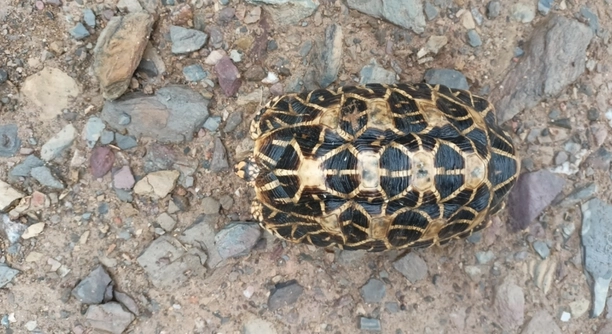
Star tortoises are fascinating creatures, but many owners wonder about their ability to survive in water. Their natural habitat often includes dry, arid environments, making water exposure a concern for their well-being.
Star tortoises can drown if they are unable to escape water. Unlike aquatic turtles, they are not adapted to swim for long periods and can easily become trapped in water, leading to respiratory distress or drowning.
Understanding the risks of water exposure is important to ensure the health and safety of your star tortoise.
Why Star Tortoises Struggle in Water
Star tortoises are not designed for swimming like other turtles. Their heavy shells and limbs are built for land, making them poorly equipped for surviving in water. When exposed to deep water, they can panic and may not have the strength to get out.
Unlike aquatic turtles, star tortoises have high domed shells and shorter limbs, which make swimming difficult. These characteristics help them navigate land more easily, but in water, their mobility is limited. They may also struggle to float, which increases their risk of drowning.
Water also poses additional challenges to star tortoises. In addition to the physical risks, prolonged exposure can lead to respiratory issues. If they get too stressed or exhausted in the water, it can affect their lungs and overall health. This makes it crucial to keep them in environments where water is not a risk factor.
How to Keep Star Tortoises Safe
To keep your star tortoise safe, it’s essential to provide a dry environment with enough space to roam. Make sure there is no access to deep water. Their enclosure should include areas for them to bask and hide, which helps them stay healthy. The environment should mimic their natural habitat to provide comfort and safety.
Proper care includes a balanced diet, adequate lighting, and plenty of exercise. When kept in a safe, land-based habitat, star tortoises can live long and healthy lives. Keeping water out of their reach is one of the easiest ways to prevent accidents.
Signs Your Star Tortoise Is in Danger of Drowning
Star tortoises are not natural swimmers, so spotting signs of distress is essential. If your tortoise appears lethargic, weak, or struggles to move, it may be in trouble. Other signs to watch for include labored breathing or excessive opening and closing of the mouth.
When a star tortoise is in distress, it will likely try to reach the surface but may not have the strength to get out. The shell might appear heavier, and the limbs will flail, signaling panic. If left in the water too long, they can experience serious health issues like respiratory failure. It’s crucial to act quickly if you notice these behaviors, as prolonged exposure can lead to permanent damage or death.
In some cases, a star tortoise may become disoriented in the water and find it difficult to right itself. This can lead to them staying submerged for extended periods. The longer they are in water, the more at risk they become. Always ensure your tortoise has access to a dry, safe space.
Preventing Accidental Drowning
The best way to prevent accidental drowning is to ensure your star tortoise has a dry and safe environment. Avoid placing them in tanks with deep water, even for short periods. Shallow water areas should only be used under supervision.
You can also create a habitat with easily accessible, shallow water sources for hydration, but never leave your star tortoise unattended near water. Regularly check for escape routes from any small water areas in the enclosure, such as ramps, rocks, or platforms. Tortoises should always have a clear way to exit if they find themselves in water. If your tortoise seems curious about water, be sure to supervise their interactions closely and redirect their focus to their safe, dry surroundings. This will help them avoid accidental drowning.
What to Do if Your Star Tortoise Falls into Water
If your star tortoise accidentally falls into water, act quickly. Gently remove them from the water and check for signs of distress, such as labored breathing. Keep them in a dry area to recover, and monitor their condition closely.
After removing the tortoise, place them on a warm surface to help them regulate their body temperature. Make sure they’re in a calm and safe space away from any water sources. If you notice any signs of difficulty breathing or prolonged lethargy, contact a vet. Prompt action will help prevent further complications.
Star Tortoise Health and Hydration
While star tortoises do not need to swim, proper hydration is essential for their health. Ensure they have access to shallow water dishes that allow them to drink without the risk of drowning. Keep these dishes clean and shallow.
A regular misting of their enclosure will also provide some humidity, supporting their overall health. Avoid soaking your star tortoise in water, as it may cause stress or other complications. Always be mindful of their hydration needs while preventing them from accidental exposure to deep water.
The Importance of a Proper Habitat
A proper habitat is crucial to prevent accidents like drowning. Create a dry area where your tortoise can move freely. This will help them feel secure and comfortable. Ensure the space is large enough for them to explore.
In addition to dry space, add some hiding areas where they can rest. These spaces are important for your tortoise’s overall well-being. Ensure the habitat has adequate heat, as star tortoises require warmth to stay healthy. The environment should mimic their natural habitat, ensuring their comfort and safety.
FAQ
Can star tortoises swim?
Star tortoises are not natural swimmers. They are land-based animals with heavy domed shells and short limbs that make swimming difficult. While they can handle shallow water for drinking or soaking briefly, they are not designed to swim like aquatic turtles. Exposing them to deep water can lead to distress and potential drowning.
What happens if a star tortoise falls into water?
If a star tortoise falls into water, it could panic, flail its limbs, and struggle to stay afloat. Since they lack the swimming abilities of aquatic turtles, they can become exhausted or trapped. This can lead to respiratory problems or even drowning if not quickly rescued.
How can I ensure my star tortoise is safe around water?
To keep your star tortoise safe, it’s best to avoid having deep water in their enclosure. Any water should be shallow enough for them to drink from without the risk of falling in. Always supervise your tortoise around water and make sure they have easy access to dry areas. You can also set up ramps or platforms near water to help them escape.
Can a star tortoise drown in shallow water?
A star tortoise can drown in shallow water if it becomes disoriented or unable to escape. While they may not drown in a small puddle, they can struggle if the water level is high enough to cover their body. It’s important to ensure there are no water sources where they could become trapped or unable to get out.
How do I know if my star tortoise is stressed after being in water?
Signs of stress in a star tortoise can include rapid breathing, lethargy, or disorientation. They may try to hide or appear less active than usual. If your tortoise seems to be struggling after being near water, remove them from the area and give them time to rest in a dry, warm environment.
What should I do if my star tortoise shows signs of distress after falling into water?
If your star tortoise shows signs of distress after falling into water, remove them from the water immediately and place them in a dry, warm area. Monitor their breathing and overall behavior closely. If they continue to show signs of difficulty, contact a veterinarian who specializes in reptiles for further advice.
Can star tortoises drown if they are left in a shallow water dish?
Star tortoises are unlikely to drown in a shallow water dish if the water level is low enough for them to get in and out easily. However, if the dish is too deep or if your tortoise struggles to escape, they could become trapped. Always ensure the dish is shallow enough for them to climb out without difficulty.
Do star tortoises need water to survive?
While star tortoises do not need to swim, they do require water to stay hydrated. They drink water from shallow dishes, and regular misting of their habitat helps maintain humidity. However, water should be kept shallow and easily accessible, as they are not equipped to handle deep water.
How can I create a safe water source for my star tortoise?
To create a safe water source for your star tortoise, use a shallow dish that allows them to drink but not swim. Ensure the dish is large enough for them to access without the risk of falling in. Change the water regularly to keep it clean and fresh. You can also provide a small shallow area for them to soak in briefly if necessary, but always supervise them when they are near water.
Can a star tortoise be kept in a pond or pool?
It is not recommended to keep a star tortoise in a pond or pool, as these environments are often too deep and unsafe for them. Star tortoises are not aquatic and may become stressed or even drown if they are exposed to water for too long. It’s best to keep them in a dry, land-based enclosure with shallow water sources for hydration.
Final Thoughts
Star tortoises are fascinating creatures, but they are not suited for life in water. While they can handle shallow water for drinking or soaking, they are land-based animals that do not have the swimming abilities of aquatic species. Because of their heavy shells and short limbs, they can struggle to stay afloat in deep water, which puts them at risk of drowning. Ensuring that their habitat is free from deep water sources is essential for their safety and well-being.
It’s important to remember that star tortoises need a dry, warm environment where they can move freely and feel secure. Their habitats should include shallow water dishes for drinking, but they should always have easy access to dry areas. Preventing them from falling into deep water can be done by designing their enclosures with ramps, shallow pools, and careful monitoring. Keeping their environment safe will reduce the risk of accidents and help them live a long, healthy life.
As with any pet, understanding the specific needs of a star tortoise is crucial for providing proper care. Monitoring their behavior and making sure they don’t have access to risky water sources is key. If you ever find yourself in a situation where your tortoise has fallen into water, act quickly to remove them and assess their condition. Regular care and attention to their needs will ensure your star tortoise stays healthy and happy in its environment.

Hello,
If you enjoy the content that we create, please consider saying a "Thank You!" by leaving a tip.
Every little bit helps us continue crafting quality advice that supports the health, happiness, and well-being of pets around the world, for pets of all shapes, sizes, and species.
We really appreciate the kindness and support that you show us!