
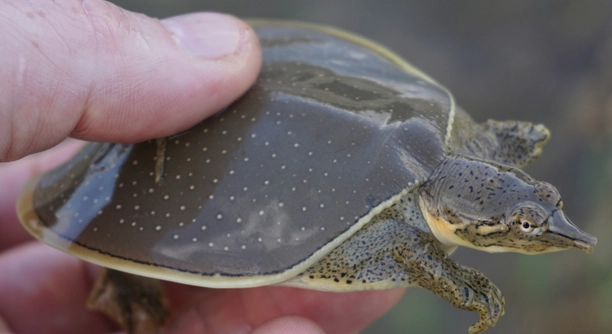
Softshell turtles are fascinating creatures, and many people enjoy keeping them as pets. A common question that often comes up is whether these turtles benefit from sunlight exposure. Understanding their needs can help you care for them better.
Sunlight exposure can provide softshell turtles with important benefits. It helps them synthesize vitamin D3, which is essential for calcium absorption. This exposure supports their overall health, shell strength, and immune function, mimicking their natural habitat.
Learning about the right amount of sunlight and how it affects your softshell turtle will help ensure their well-being. From outdoor setups to UV light options, we will explore what you need to know to help them thrive.
Why Sunlight is Essential for Softshell Turtles
Sunlight plays a key role in the health of softshell turtles. Just like other reptiles, they need exposure to UVB rays to produce vitamin D3. This vitamin is necessary for calcium absorption, which strengthens their bones and shell. Without enough sunlight, softshell turtles can suffer from metabolic bone disease, which weakens their structure. Natural sunlight is often the best source of these rays, but artificial UVB lights can also be used when outdoor exposure isn’t possible. It’s important to provide these turtles with the right balance of light and shade. Too much direct sunlight can lead to overheating, while too little can lead to deficiencies.
Exposing softshell turtles to sunlight also supports their immune system. UVB rays stimulate the production of vitamin D3, promoting overall health. Without this sunlight exposure, their immune response could be weaker, making them more susceptible to infections or diseases.
When creating the right environment for your softshell turtle, consider both natural and artificial light sources. By giving them proper sunlight, you’re helping them stay strong and healthy, supporting their natural behaviors and needs. With the right setup, your turtle will thrive in a well-balanced environment.
How to Provide Sunlight for Your Softshell Turtle
If outdoor access isn’t an option, you can create an indoor habitat with UVB lighting. Turtles need about 10-12 hours of light each day to ensure they receive enough vitamin D3.
The light should be placed at the right distance to provide the necessary UVB rays without causing harm. Regularly check the bulbs to make sure they are still functioning properly. With the right setup, even indoor turtles can get the sunlight they need.
Risks of Insufficient Sunlight for Softshell Turtles
Without proper sunlight, softshell turtles can develop serious health problems. Lack of UVB exposure leads to vitamin D3 deficiency, affecting calcium absorption and making bones weaker. Over time, this can result in deformities, poor growth, or even death if not addressed. Without sufficient sunlight, these turtles may also experience low energy and poor overall health.
Sunlight is crucial for softshell turtles, and without it, their bodies may fail to develop properly. This can lead to metabolic bone disease, a condition where the turtle’s bones become soft, leading to deformities and weakness. In some cases, the turtle may have difficulty moving or feeding.
In addition to the physical problems, turtles deprived of sunlight may show behavioral changes, such as lethargy or a lack of appetite. These changes are clear indicators that something is wrong with their environment. Ensuring proper sunlight exposure helps prevent these risks and keeps your turtle active and healthy.
The Benefits of Natural Sunlight vs. Artificial UVB Lighting
Natural sunlight offers full-spectrum light, giving softshell turtles everything they need. It’s the best way for them to synthesize vitamin D3 and stay healthy.
While artificial UVB lighting can be effective, it is crucial to replace the bulbs regularly. They lose effectiveness over time, even if they still appear to be working. Turtles kept indoors rely on artificial light for their UVB needs, but natural sunlight remains the superior option for their overall well-being.
How Much Sunlight Should Softshell Turtles Get?
Softshell turtles need 10-12 hours of sunlight exposure each day. This mimics their natural environment, where they would bask in the sun for most of the day. Too little sunlight can lead to health issues, while too much can result in overheating.
If your turtle has access to natural sunlight, aim for 1-2 hours of outdoor exposure in a safe, controlled environment. During this time, they can soak up the necessary UVB rays. Be sure they have areas to cool off if needed to avoid excessive heat exposure.
Creating an Optimal Habitat with UVB Lighting
Setting up the proper UVB lighting indoors is important for softshell turtles that don’t have outdoor access. The light should be positioned above the turtle’s basking area. Place it within 6-12 inches of the turtle to ensure it’s effective.
UVB lighting must be replaced every 6-12 months, depending on the bulb type. Turtles need constant access to UVB light to maintain their health, so be sure to keep the setup running smoothly. Regularly check the bulb’s performance to ensure your turtle gets the proper UVB exposure.
How to Monitor Your Turtle’s Health
Regularly check your turtle’s behavior and appearance for signs of poor health. If it seems sluggish, is having trouble eating, or appears lethargic, it might be time to assess its lighting and sunlight exposure.
Keeping track of your turtle’s health will help you detect issues early and make necessary adjustments to their environment.
FAQ
How do I know if my softshell turtle is getting enough sunlight?
If your softshell turtle is active, eating well, and has a healthy, strong shell, it’s likely getting enough sunlight. However, if you notice signs of lethargy, poor appetite, or soft, brittle shell growth, your turtle may not be receiving the necessary UVB exposure. Pay close attention to its behavior and physical condition. If your turtle spends most of its time hiding or seems unusually inactive, it’s worth checking its light source. A lack of UVB can also lead to signs of metabolic bone disease, such as softening of the shell or limbs.
Can I use a regular light bulb for my softshell turtle?
No, regular light bulbs don’t provide the UVB rays needed by turtles. Standard light bulbs emit visible light but don’t produce the UVB spectrum essential for vitamin D3 production. Softshell turtles require UVB light to process calcium and maintain their shell health. Using a specialized UVB bulb will ensure your turtle gets the right kind of light. You can find UVB bulbs made specifically for reptiles at pet stores or online. These bulbs should be replaced regularly to ensure they remain effective.
Is it safe to let my softshell turtle bask outside in the sun?
Yes, it’s safe for softshell turtles to bask outside in natural sunlight, as long as it’s controlled. Make sure the environment is secure, and your turtle can’t escape or come into contact with predators. Also, be cautious of temperature. Ensure your turtle can move between sun and shade to regulate its body temperature. Avoid long exposure during the hottest part of the day to prevent overheating. An outdoor setup can offer your turtle the benefits of full-spectrum sunlight and is ideal if the weather is safe and appropriate.
How do I set up an indoor basking area with UVB lighting?
To create an optimal indoor basking area, use a basking lamp paired with a UVB light. Place the UVB light 6-12 inches above the basking spot to ensure effective exposure. Set up a basking platform or rock where your turtle can sit directly under the light. The basking area should be warm enough to allow your turtle to regulate its body temperature comfortably, with a temperature gradient that provides both hot and cooler areas. Always ensure the UVB light is replaced every 6-12 months to maintain its effectiveness.
Can my softshell turtle get too much sunlight?
Yes, too much sunlight can be harmful to softshell turtles. Overexposure can lead to overheating, dehydration, or sunburn. If your turtle is left outside, be sure to provide both sunny and shaded areas so it can move between them. Monitor the temperature, especially in the middle of the day, and always have access to water for your turtle to cool down. It’s important to balance sunlight exposure to prevent health issues that can arise from excess heat or dryness.
Do softshell turtles need to be outside to get proper sunlight?
No, softshell turtles do not need to be outside to get the sunlight they need. While natural sunlight is ideal, artificial UVB lighting can serve as a good substitute. For indoor setups, use a high-quality UVB bulb, ensuring it mimics natural sunlight as closely as possible. As long as your turtle has access to adequate UVB light for 10-12 hours a day, it can stay healthy indoors. Outdoor exposure is beneficial but not necessary for proper UVB intake, especially if you cannot safely house your turtle outside.
How do I prevent my softshell turtle from overheating?
To prevent overheating, make sure your turtle has both access to direct sunlight and shaded areas where it can cool off. If basking outdoors, allow the turtle to escape the sun’s heat by providing shaded hiding spots. When setting up a basking area indoors, ensure there’s a temperature gradient—warm under the basking light and cooler in the rest of the habitat. If the indoor temperature gets too high, it can cause stress and dehydration. Always monitor the temperature with a thermometer to ensure your turtle stays comfortable and safe.
Why is my softshell turtle not basking?
If your softshell turtle isn’t basking, it could be due to several factors. It may be too cold in the basking area or the lighting may not be providing the right kind of UVB exposure. Ensure the temperature in the basking spot is appropriate (around 85-90°F), and check the UVB bulb’s effectiveness. Lack of basking could also be a sign of stress, illness, or an environment that’s not quite right for your turtle’s needs. Observe your turtle for any signs of discomfort, such as changes in behavior or appetite.
What kind of food should I feed my softshell turtle while it gets sunlight?
A healthy diet is essential to your softshell turtle’s well-being, especially while it’s getting proper sunlight. Offer a variety of foods, including leafy greens (like lettuce, kale, and dandelion greens), aquatic plants, and animal-based protein such as worms, shrimp, or small fish. A balanced diet will help your turtle absorb the nutrients it needs from the sunlight it’s receiving. Make sure to also include calcium supplements in their food to support bone and shell health. A healthy diet, combined with sunlight, will promote overall well-being.
Can I use a heat lamp instead of UVB light for my softshell turtle?
A heat lamp can help provide warmth to your turtle’s basking area, but it doesn’t replace the need for UVB lighting. Heat lamps are useful for regulating the temperature but do not emit the UVB rays required for proper vitamin D3 production. For your turtle’s health, you will need both a heat source and a UVB bulb. The combination of both will allow your turtle to regulate its body temperature and get the necessary UVB exposure for strong bones and proper calcium absorption.
What should I do if my turtle’s shell becomes soft?
If your softshell turtle’s shell is soft, it’s likely a sign of calcium deficiency, usually caused by inadequate UVB light or poor nutrition. The first step is to check the lighting setup and ensure it provides sufficient UVB exposure. If the lighting is adequate, review your turtle’s diet and consider adding calcium supplements. It may also be worth consulting with a veterinarian to address any potential health concerns. Prompt action can help prevent further damage and promote recovery. Regularly monitoring your turtle’s shell condition will help catch these issues early.
Final Thoughts
Sunlight exposure is a vital part of keeping softshell turtles healthy and thriving. It helps them produce vitamin D3, which is essential for calcium absorption and strong bones. Without enough sunlight or proper UVB lighting, softshell turtles can develop serious health problems, like metabolic bone disease, which weakens their shells and bones. Whether you’re providing outdoor basking time or using UVB bulbs indoors, ensuring your turtle gets the right amount of sunlight is crucial for its long-term well-being.
While natural sunlight is the most effective way to provide the necessary UVB rays, it’s not always practical or safe to let your turtle bask outdoors. That’s where artificial UVB lighting comes in. With the right setup, you can create an indoor environment that mimics natural sunlight. A good UVB bulb, placed correctly above your turtle’s basking area, can provide the necessary rays for your turtle to stay healthy. It’s also important to monitor the health and behavior of your turtle regularly. If it’s not basking or shows signs of lethargy, it may be a sign that the lighting setup needs adjustment. Regularly replacing UVB bulbs and checking temperatures in the basking area will ensure your turtle has a healthy habitat.
Finally, maintaining a balanced diet alongside sunlight exposure is important for your turtle’s overall health. A variety of vegetables, protein, and calcium supplements are essential for a strong shell and good growth. Always keep an eye on your turtle’s shell and behavior for signs of health issues. Taking the time to create the right environment, whether indoors or outdoors, will help your softshell turtle live a long, healthy life.

Hello,
If you enjoy the content that we create, please consider saying a "Thank You!" by leaving a tip.
Every little bit helps us continue crafting quality advice that supports the health, happiness, and well-being of pets around the world, for pets of all shapes, sizes, and species.
We really appreciate the kindness and support that you show us!