
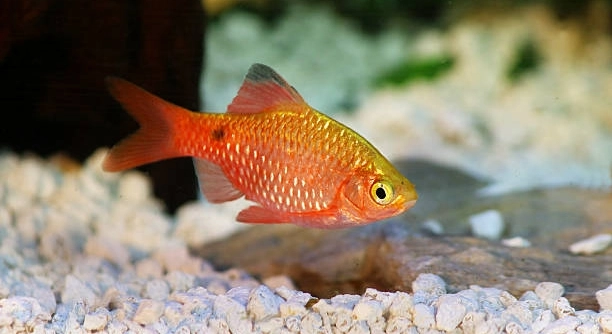
Rosy barbs are colorful fish often kept as pets in home aquariums. They interact with their owners during feeding times and can show different behaviors. Observing these fish can reveal interesting details about how they respond to people.
Rosy barbs are able to recognize and differentiate their primary feeders through visual and behavioral cues. They associate feeding routines with specific individuals, showing preference and anticipation when those people approach the tank. This recognition is supported by consistent interaction and positive reinforcement.
Understanding how rosy barbs recognize their feeders sheds light on fish behavior and strengthens the bond between owners and their aquatic pets. This knowledge can improve care and daily interactions.
How Rosy Barbs Recognize Their Feeders
Rosy barbs use sight and routine to identify who is feeding them. When a person approaches the tank regularly, these fish start to recognize the shape, color, and movement of that individual. Over time, they learn to associate certain actions—like tapping the glass or holding food—with being fed. This recognition helps them feel more secure and ready to eat. The fish also notice subtle differences, such as the feeder’s clothing or hand movements, which makes the recognition more accurate. This ability to recognize feeders shows how smart and adaptable rosy barbs are, despite their small size. It also explains why they sometimes swim excitedly toward a familiar person but stay cautious around strangers. Positive experiences during feeding reinforce this behavior, making the fish eager to respond to their feeders.
Recognition in rosy barbs depends on repeated feeding and consistent interaction with the same person.
This recognition makes feeding time more enjoyable for both the fish and the owner. When the fish respond to you, it shows a level of trust and comfort. It also encourages a daily routine that benefits the fish’s health and mood. Knowing that rosy barbs can recognize you can inspire more attentive care and better bonding moments in your aquarium. The fish’s lively reactions when you approach highlight how much they depend on regular feeding cues to feel secure. Observing their behavior during feeding times can reveal a lot about their comfort level and connection with their environment.
The Impact of Feeding Routine on Fish Behavior
A steady feeding schedule helps rosy barbs learn to expect food at certain times. This regularity reinforces their ability to recognize who feeds them. When feeding times are irregular, the fish can become stressed or confused, which may affect their behavior. Sticking to a routine creates a sense of security and trust in their environment. This trust allows the fish to be more active and social during feeding, showing excitement when their feeder is nearby.
Consistent feeding improves both fish recognition and their overall well-being.
Maintaining a clear feeding routine is important for rosy barbs to thrive. These fish are quick learners and respond best to habits that are easy to predict. When you feed them at the same time and place daily, it reduces stress and encourages healthy eating. Fish that feel secure in their environment often display brighter colors and more playful behaviors. On the other hand, irregular feeding can cause them to hide or act nervously. By keeping a regular schedule, owners can build a stronger relationship with their fish. This connection goes beyond feeding—it helps the fish feel like part of a safe home, improving their quality of life in the aquarium.
Visual and Behavioral Cues
Rosy barbs pay close attention to visual signs like hand movements or the shape of a person near the tank. They also watch for behavioral patterns such as how the feeder approaches or the sound of food containers opening. These clues help them identify who is feeding.
The fish’s sharp observation skills let them notice small changes in their environment. For example, they recognize when a certain person wears bright clothes or moves in a familiar way. They also respond to specific behaviors, like tapping on the glass or slowly moving hands toward the water. These repeated cues create a clear signal for feeding time, helping the fish prepare to eat.
Behavioral cues include the feeder’s pace and timing. When the feeder arrives at expected times and behaves consistently, the fish learn to expect food and react eagerly. This helps the fish feel secure and comfortable, reducing stress during feeding sessions.
Feeding and Social Interaction
Rosy barbs become more social and active when they recognize their feeders. This recognition helps reduce fear and encourages them to swim closer to the glass during feeding. Fish that trust their feeders often display playful group behavior.
The connection formed through feeding promotes better interaction between the fish and their environment. When they associate a person with food, they become less shy and more willing to explore the tank. This can also improve the overall health of the group, as stress levels decrease and eating habits become more consistent. Increased social activity among the fish benefits their mental and physical well-being, showing that recognition plays a key role beyond just feeding time.
Memory and Recognition
Rosy barbs rely on memory to recognize their feeders. They remember faces and routines over days or weeks, which helps them identify who is feeding them even after short breaks. This memory is important for building trust and comfort.
Their ability to recall feeding patterns shows how fish can learn and adapt to their environment. Consistent interaction strengthens this memory, making recognition stronger over time.
How Feeding Shapes Behavior
Regular feeding teaches rosy barbs when and how to expect food. This shapes their behavior by creating anticipation and excitement at feeding times. Fish learn to approach the tank confidently and show less fear toward their feeders.
Signs Rosy Barbs Recognize You
Fish swim eagerly to the surface, follow your movements, or gather near the glass when they recognize their feeder. These signs show trust and anticipation during feeding.
Can rosy barbs tell who feeds them?
Yes, rosy barbs can recognize their feeders. They use visual and behavioral cues to identify people who regularly feed them. Over time, they remember the feeder’s appearance, routine, and movements, associating these with food. This recognition builds trust and helps the fish feel secure during feeding.
How do rosy barbs recognize their feeders?
They recognize feeders through repeated interaction. The fish notice details like hand gestures, clothing colors, and feeding times. Consistent behavior, such as tapping the glass or holding food in a certain way, helps rosy barbs connect these actions with being fed. This familiarity encourages them to swim closer and become more active when their feeder approaches.
Do rosy barbs remember their feeders after time away?
Rosy barbs have good memory for recognizing feeders. Even after a break of several days or weeks, they can remember who usually feeds them. The stronger the routine and interaction before the break, the easier it is for them to recall their feeder. This memory helps maintain the bond between fish and owner.
What behaviors show rosy barbs recognize their feeder?
Common signs include swimming to the tank’s surface quickly, following hand movements, and gathering near the glass. They may also show excitement by darting or nudging the food source. These behaviors show anticipation and comfort, meaning the fish trust the feeder and expect food.
Can rosy barbs distinguish between different people?
Yes, rosy barbs can tell different people apart based on appearance and feeding style. They learn to associate food with specific individuals who feed them regularly. Fish may respond more actively to a familiar feeder and act cautiously or ignore strangers. This shows their ability to distinguish and remember various humans.
Does irregular feeding affect recognition?
Irregular feeding can make it harder for rosy barbs to recognize feeders. Without a clear routine, the fish become less sure when food will come and may grow stressed or shy. Regular feeding times help fish build reliable expectations and strengthen their recognition of who feeds them.
How does recognition benefit rosy barbs?
Recognition reduces stress and encourages natural behavior. When fish know who feeds them, they feel safer and more relaxed. This lowers fear and promotes social interactions within the tank. Recognized feeders can better monitor the fish’s health because the fish are more responsive and visible during feeding.
Can rosy barbs recognize feeders by sound?
While sight and behavior are the main cues, some fish may also respond to feeding sounds, like shaking food containers. These sounds become linked with feeding time through repetition. However, visual and movement cues are more important for clear recognition.
Is it possible to train rosy barbs to recognize new feeders?
Yes, by having new feeders interact consistently and gently with the fish during feeding times, rosy barbs can learn to recognize them. Repetition and patience are key. The fish will gradually associate the new person’s actions with food and begin to respond positively.
How long does it take for rosy barbs to recognize their feeder?
Recognition can develop within a few days to a couple of weeks of regular feeding. The speed depends on the consistency of interaction and the fish’s comfort level. Frequent, calm feeding sessions help build trust faster.
What should I do if my rosy barbs don’t seem to recognize me?
Ensure you feed them regularly and calmly without sudden movements. Approach the tank gently and use consistent gestures. Avoid feeding at irregular times or using different spots. Building trust takes time, so be patient and observe their reactions.
Does the type of food affect recognition?
Fish may become more excited if offered favorite foods, but recognition mainly depends on the feeder’s actions and routine. Using the same feeding methods consistently is more important than the specific food type for building recognition.
Can rosy barbs recognize their feeders in crowded tanks?
Yes, even in tanks with multiple fish, rosy barbs can single out regular feeders. They focus on specific cues like hand movement or appearance to identify the person feeding them. However, competition among fish can sometimes make recognition less obvious.
Do rosy barbs recognize feeders outside feeding time?
Fish mainly associate recognition with feeding, so they may not respond strongly outside these moments. However, if interaction is frequent and positive, they might show signs of recognition even when not being fed, such as approaching the tank glass when a familiar person is nearby.
Can stress affect a rosy barb’s ability to recognize feeders?
Yes, stress can reduce a fish’s responsiveness. If the tank environment is noisy, crowded, or uncomfortable, rosy barbs may hide or act shy, making it harder for them to recognize feeders. Providing a calm and stable environment improves recognition and overall well-being.
Rosy barbs are more aware than many people realize. They can recognize the person who feeds them by paying attention to visual and behavioral cues. When feeding is consistent, these fish learn to associate certain actions and appearances with food. This recognition helps them feel more comfortable and secure in their environment. It also shows how fish can form simple bonds with their owners through routine and interaction. Understanding this helps us see rosy barbs as more than just colorful pets—they are responsive creatures that benefit from care and attention.
Feeding time is an important part of the relationship between rosy barbs and their feeders. The fish quickly learn to expect food when they see or hear certain signals. This routine creates a sense of trust that encourages the fish to be active and social. When feeders approach regularly and calmly, rosy barbs respond eagerly and show less fear. On the other hand, irregular feeding or sudden changes can cause stress, making the fish more cautious or shy. Keeping a steady schedule not only helps the fish recognize their feeder but also supports their overall health and happiness.
Remember that building this recognition takes time and patience. Not every fish will respond immediately, but with regular feeding and gentle interaction, rosy barbs will begin to recognize and trust their feeders. This recognition leads to better care because the fish become easier to observe and understand. When rosy barbs know who is feeding them, it makes daily care more rewarding for both the fish and the owner. Paying attention to their behavior can help create a peaceful and enjoyable aquarium environment where the fish thrive.

Hello,
If you enjoy the content that we create, please consider saying a "Thank You!" by leaving a tip.
Every little bit helps us continue crafting quality advice that supports the health, happiness, and well-being of pets around the world, for pets of all shapes, sizes, and species.
We really appreciate the kindness and support that you show us!