
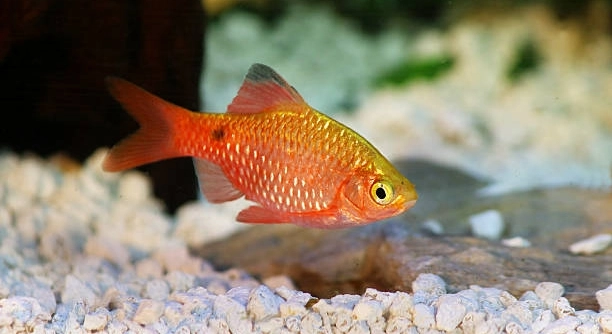
Do your rosy barbs sometimes act strangely, leaving you unsure if something might be off in their tank environment? These small changes can be easy to miss, especially when you’re busy with daily care routines.
Rosy barbs can show signs of stress and unusual behavior when water conditions are poor. These changes may include rapid swimming, color fading, clamped fins, or reduced appetite, all of which can signal a dirty or imbalanced tank.
Learning what behaviors to watch for can help you respond early and keep your fish healthy. Let’s take a closer look at how they react when the water quality drops.
How Rosy Barbs React to Dirty Water
Rosy barbs are generally active and social fish, so it’s usually easy to notice when something is wrong. If the water in their tank becomes dirty, they may become more skittish or hide more often than usual. Their colors can fade slightly, and they may appear duller than normal. You might also see them rubbing against tank objects or swimming near the surface more than usual. These are all signs that the water quality is off. A build-up of waste, leftover food, or low oxygen levels can quickly lead to these changes. Dirty water also weakens their immune system, making them more likely to get sick. If left too long, the stress from poor water quality can shorten their lifespan. Keeping the tank clean helps them stay calm, colorful, and active. Rosy barbs rely on stable, clean water to thrive, and small changes in their behavior should be taken seriously.
These signs might not always appear all at once, but noticing even one of them is worth checking the tank.
Rosy barbs may not react immediately, but over time, poor conditions can wear them down. Early signs are your best chance to fix things before it becomes more serious.
What You Can Do to Help
It’s important to act fast if you notice signs of stress. Start by checking the filter, removing any uneaten food, and testing the water.
Make a habit of partial water changes each week—around 20 to 30 percent is usually enough to maintain balance. Keep a reliable water testing kit on hand to check for ammonia, nitrites, and nitrates. These should stay at safe levels to avoid putting pressure on your fish. If your filter is old or not working well, consider replacing or cleaning it according to the manufacturer’s instructions. Don’t overfeed your fish, as uneaten food decays quickly and clouds the water. Make sure you’re not overcrowding the tank; rosy barbs need space to swim and oxygen to breathe. Add live plants if you can, since they help absorb waste and keep the water fresh. With a little attention and a regular cleaning routine, your rosy barbs will show brighter colors and more natural behavior again.
How to Spot Subtle Behavior Changes
Sometimes, the signs are small. A rosy barb that used to chase others might suddenly start swimming alone. You may also notice them spending more time near the surface or resting at the bottom longer than usual.
Changes in activity level are usually the first clue. If your rosy barb seems tired or slow, it could be a sign the tank needs attention. Watch their appetite too—if they’re ignoring food or spitting it out, something might be off. Gasping at the surface or flicking their body against decor can also point to discomfort. These behaviors often show up before any visible health issues appear, so catching them early helps avoid bigger problems. Observe your fish during feeding and at different times of day. They often reveal what’s going on just by how they move, eat, and interact. Quiet moments or shifts in energy can speak volumes.
Faded colors are another subtle change that’s easy to miss. Rosy barbs usually have a vibrant shimmer, so if they look pale or washed out, it may signal poor water conditions. Stress from dirty water affects their pigment and energy. Their fins might also appear less open or slightly clamped down. These small visual cues can be easy to ignore at first but often reflect a bigger issue underneath. Dirty water affects both their mood and health. By taking note of these subtle shifts early, you can prevent illness and improve their comfort. A quick visual check each day can go a long way toward keeping them healthy and active.
Why Tank Cleanliness Matters More Than You Think
Rosy barbs are hardy, but they still need good water quality to live well. Dirty water doesn’t just look bad—it slowly changes their behavior and health. Even small issues build up if left unchecked.
Ammonia and nitrite levels rise quickly when the tank isn’t cleaned regularly. These substances are toxic and can cause long-term damage to your fish’s gills and organs. Even if the water looks clear, harmful bacteria and waste may still be present. Regular water changes, proper filtration, and testing help prevent these problems. A clean tank also supports a stable pH level and oxygen supply. These factors affect how your rosy barbs breathe, swim, and digest food. Poor water can lead to infections, slower growth, and stress. Clean tanks also make your fish more active, colorful, and social. You’ll likely notice them swimming more freely and interacting with each other again once conditions improve.
Common Triggers Behind Dirty Tanks
Overfeeding is one of the quickest ways to make the water dirty. Excess food sinks, breaks down, and affects the water quality fast. Even if your fish eat most of it, the leftovers still cause problems.
A weak or clogged filter can also lead to a dirty tank. If the filter isn’t moving enough water or catching waste, harmful materials stay in the water. This creates stress for your rosy barbs and throws off the tank’s balance.
How Often You Should Clean the Tank
Weekly maintenance is usually enough for most tanks with rosy barbs. Do a partial water change of about 20–30% and gently vacuum the gravel to remove debris. Check your filter and rinse it with tank water—not tap water—to keep the helpful bacteria alive. Test for ammonia, nitrite, nitrate, and pH levels once a week to spot issues early. Replace any worn-out filter media as directed by the manufacturer. If the tank is crowded or the fish seem off, consider more frequent cleanings. Keep a simple log of what you do each week to track what’s working.
Tools That Make Cleaning Easier
Using a gravel vacuum helps remove waste without disturbing your fish too much. A magnetic glass cleaner keeps algae off the sides with little effort.
FAQ
How do I know if my rosy barb is stressed?
Stressed rosy barbs may behave differently than usual. They might swim less, stay in one corner of the tank, or avoid other fish. You may also notice their colors look dull, or their fins are slightly clamped. They might lose interest in food, swim near the surface often, or flick against tank objects. These signs show something is off, and it’s often linked to water conditions. Regular observation can help you catch these changes early. When in doubt, test the water right away.
Can rosy barbs survive in slightly dirty water?
They might survive for a short time, but it’s not ideal. Rosy barbs are hardy, but they still need clean water to stay healthy. Slightly dirty water increases stress levels, lowers oxygen, and allows harmful waste to build up. Over time, this weakens their immune system and makes them more likely to get sick. You may not see effects immediately, but their health will slowly decline. Long-term exposure to poor water can cause illness, organ damage, and shortened lifespan. Clean water helps them live comfortably and behave naturally.
How often should I test my water?
Once a week is a good starting point for most tanks. If you’re new to fishkeeping, testing twice a week helps you stay ahead of problems. Use a liquid test kit for the most accurate results. Focus on ammonia, nitrite, nitrate, and pH levels. If your fish are acting odd or you’ve recently added new fish or changed the filter, test right away. Keeping a record of your results helps you see patterns and react quickly when something shifts. Testing is a small task that makes a big difference.
Why is my tank getting dirty so quickly?
Overfeeding and overcrowding are common causes. Too much food creates waste, and too many fish means more mess than your filter can handle. A filter that’s too small or clogged also allows waste to stay in the water. Skipping water changes or waiting too long between cleanings lets dirt and debris pile up. Even decorations and plants can collect grime if not cleaned occasionally. Look at how much you’re feeding, how many fish you have, and whether your filter is working well. Adjusting these can slow the buildup.
What’s the best way to clean without stressing my fish?
Stick to regular, small changes. Avoid sudden shifts in temperature or large water changes that can shock your rosy barbs. Use a gravel vacuum to clean the bottom gently. Don’t scrub all decorations or surfaces at once—clean them a little at a time to preserve good bacteria. Always treat tap water with a conditioner before adding it to the tank. Move slowly and avoid chasing the fish while cleaning. Routine cleanings keep stress low, so your fish won’t be alarmed when it’s time for tank care.
Can plants help keep my tank clean?
Yes, live plants absorb some waste and improve water quality. They use ammonia, nitrites, and nitrates for growth, which helps reduce these harmful substances in the water. Plants also provide shelter and oxygen, creating a more balanced and natural space for your rosy barbs. While they won’t replace regular cleaning, they’re a helpful addition to your setup. Choose hardy species like Java fern or Anubias if you’re new to planted tanks. Keep them trimmed and healthy so they can do their part in keeping the tank clean.
Is cloudy water always a bad sign?
Not always, but it can mean something’s off. Cloudy water right after a tank setup may be from a bacterial bloom, which usually clears up on its own. However, if the tank has been running for a while, cloudiness can point to overfeeding, dirty gravel, or a weak filter. It may also mean your tank is cycling or the bacteria balance is off. Test the water, check the filter, and reduce feeding for a few days. If the water stays cloudy or smells bad, it’s time for a deeper clean.
Final Thoughts
Rosy barbs are active, colorful fish that can bring a lot of life to your tank. But just like any other pet, they need a clean and healthy environment to thrive. A dirty tank doesn’t just look unpleasant—it can slowly harm your fish without you even realizing it. By watching for small changes in behavior, like reduced activity, loss of color, or changes in eating habits, you can catch problems early. These subtle signs are often your first clue that the water may not be in the best condition. The sooner you act, the better chance your fish have of staying healthy and active.
Keeping the tank clean isn’t about making it perfect—it’s about keeping it stable. Regular water changes, weekly testing, and simple tools like gravel vacuums and magnetic glass cleaners can make this routine easier. You don’t need to do everything at once, but a steady rhythm of care makes a big difference. Make sure your filter is working well, don’t overcrowd the tank, and feed your fish just enough to avoid waste buildup. Adding live plants is another helpful step. They look nice, give your fish places to explore, and help improve the water naturally. These small efforts help create a space where your rosy barbs can stay calm and colorful.
In the end, your fish will tell you a lot just by how they behave. If they’re active, eating well, and showing bright colors, it usually means you’re doing things right. But when something feels off—even if you can’t see the problem right away—it’s a good idea to test the water and check the tank. Clean water is one of the most important things you can give them. It supports every part of their life, from breathing and digestion to mood and energy. Taking care of the tank also makes the experience more enjoyable for you. It’s easier to relax and enjoy your fish when you know their home is safe and healthy.

Hello,
If you enjoy the content that we create, please consider saying a "Thank You!" by leaving a tip.
Every little bit helps us continue crafting quality advice that supports the health, happiness, and well-being of pets around the world, for pets of all shapes, sizes, and species.
We really appreciate the kindness and support that you show us!