
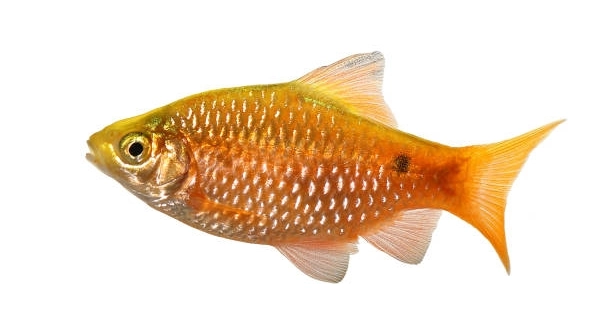
Rosy barbs are popular aquarium fish known for their lively behavior and bright colors. Many fishkeepers notice how these fish react around feeding time. Understanding their behavior can help improve their care and feeding routines.
Rosy barbs can recognize feeding cues and often anticipate when food is coming. They respond to visual or environmental signals, such as the presence of their owner or movements near the tank, showing conditioned behavior linked to feeding times.
Observing these habits provides useful insight into how fish interact with their environment and helps create a better feeding experience for both fish and owner.
How Rosy Barbs Learn Feeding Times
Rosy barbs quickly learn to associate certain signals with feeding. For example, they may notice the sound of a food container or see someone approaching the tank. Over time, they link these cues to food arrival. This conditioning helps them prepare and become more active before feeding. Many fishkeepers observe that their rosy barbs swim eagerly when they enter the room or start moving near the tank. This behavior shows how well the fish remember routines. It also indicates their ability to adapt to predictable changes in their environment. Such learning is common in many fish species, not just rosy barbs. The predictability of feeding times creates a habit, making the fish more responsive. This can improve their overall health by reducing stress and encouraging regular eating habits.
This learned behavior highlights the intelligence of rosy barbs. They respond well to consistent feeding schedules.
Recognizing how rosy barbs adapt to feeding cues helps owners provide better care. Keeping feeding times regular and using consistent signals can improve the fish’s well-being. Owners who watch for these signs can better understand their fish’s needs and moods. It also creates a more engaging and interactive experience with the fish. This knowledge helps maintain a healthy aquarium environment where the fish feel safe and content.
Signs That Rosy Barbs Are Expecting Food
Rosy barbs show clear signs when they anticipate feeding. They often gather near the surface or the area where food usually appears. Their swimming becomes more active and focused. Some may even nudge the glass or follow movements near the tank. These behaviors signal excitement and readiness to eat.
When fish recognize feeding times, they become more alert and active. This excitement encourages them to compete for food, helping to ensure they get their share. Understanding these signs can improve feeding practices and help owners respond better to their fish’s needs. It also promotes a routine that reduces fish stress and supports their natural behavior. Adjusting feeding based on these cues helps maintain a balanced and healthy aquarium.
Feeding Routine and Its Impact on Rosy Barbs
Regular feeding schedules help rosy barbs develop strong habits and reduce stress. Consistency in timing and method makes them feel secure and improves their overall health.
A predictable feeding routine trains rosy barbs to expect food at certain times. This reduces their anxiety and keeps them active. When fish know when to eat, they focus on other natural behaviors like exploring and socializing. Irregular feeding can cause stress, leading to poor appetite and weakened immune systems. A set schedule also helps owners monitor the fish’s health by noticing changes in eating habits quickly. Overfeeding or underfeeding can be avoided more easily with routine feeding times, which is vital for maintaining water quality and fish well-being. Establishing this rhythm benefits both the fish and their caretakers by creating a stable environment.
Feeding routines also strengthen the bond between fish and owner. Rosy barbs recognize familiar signals, making feeding time an interactive and enjoyable experience. This connection encourages better care and attention to their needs.
Environmental Cues That Trigger Feeding Behavior
Visual and auditory cues often signal feeding time to rosy barbs. The sight of the owner or sounds associated with food preparation are common triggers.
Fish become alert when they notice these signals. They swim closer to the tank front and show excitement through quick movements. These cues help condition the fish to recognize feeding moments without direct contact. The anticipation can increase their metabolism and readiness to eat. Owners can use this knowledge to create positive feeding habits by maintaining consistent cues. Avoiding sudden changes in these signals helps keep the fish calm and responsive. This understanding enhances care routines and promotes a healthy aquarium atmosphere where fish behavior is predictable and manageable.
How Feeding Time Affects Rosy Barb Behavior
Feeding time creates excitement in rosy barbs. Their activity level rises, and they swim energetically near the food source. This response shows their anticipation and eagerness to eat.
This behavior also strengthens social bonds within the group. Rosy barbs often gather together, displaying group feeding habits that encourage interaction and reduce stress.
Training Rosy Barbs to Recognize Feeding Signals
Rosy barbs can be trained to respond to specific signals like tapping the tank or shaking a food container. Repeating these signals before feeding builds strong associations.
Consistent training improves feeding efficiency and reduces aggression during mealtime. Fish quickly learn to recognize these cues, which helps keep the aquarium calm and orderly.
Common Mistakes in Feeding Rosy Barbs
Overfeeding can harm rosy barbs by polluting the tank and causing health issues. It’s important to feed moderate amounts at regular times.
Keeping a balance in feeding prevents water quality problems and supports the fish’s long-term well-being.
How do rosy barbs know when feeding time is near?
Rosy barbs learn to recognize feeding time through repeated cues. These cues can be sounds like the shaking of a food container, movements near the tank, or even the presence of their owner. Over time, the fish associate these signals with food coming. This conditioning helps them prepare and become more active right before feeding. They start swimming near the top or front of the tank and show signs of excitement. This behavior is a form of learned anticipation and is common in many aquarium fish.
Can rosy barbs get stressed if feeding times are irregular?
Yes, irregular feeding can cause stress in rosy barbs. They thrive on routine and predictability. When feeding times change often or are skipped, fish can become anxious and restless. This stress may reduce their appetite and affect their immune system. Keeping a consistent feeding schedule helps avoid these problems. Fish feel more secure when they know what to expect. Stress from feeding unpredictability can lead to unhealthy behaviors and make caring for the fish more difficult.
What are the best feeding practices for rosy barbs?
Feed rosy barbs small amounts two to three times daily. Use high-quality flakes or pellets designed for tropical fish. It’s important not to overfeed, as leftover food can pollute the water. Feeding should only last a few minutes so the fish can eat everything quickly. Removing uneaten food helps maintain water quality and keeps fish healthy. Maintaining a consistent feeding routine also supports their natural behavior and reduces stress.
Do rosy barbs respond better to certain types of food?
Rosy barbs generally enjoy flakes, pellets, and occasional live or frozen foods like brine shrimp or bloodworms. Variety in their diet is good for nutrition and keeps them interested during feeding times. However, they learn to recognize feeding cues regardless of the food type. Consistency in feeding signals matters more than the exact kind of food. Still, providing balanced nutrition is important for their growth and color.
Can rosy barbs be trained to eat from your hand?
Some rosy barbs may become comfortable enough to take food from your hand, but this depends on how much time and patience you spend interacting with them. Training involves offering food from your hand regularly and remaining calm during feeding. Over time, they may associate your presence with food and come closer. This behavior shows their ability to adapt and form simple bonds with caretakers, though it is less common than recognizing general feeding cues.
Why do rosy barbs swim faster or become more active before feeding?
Increased activity before feeding is a natural response to anticipation. When rosy barbs detect familiar feeding cues, their metabolism and alertness rise. Swimming near the surface or front of the tank shows they are ready and eager to eat. This behavior helps them compete for food and signals their conditioned response to routine. Active swimming before feeding is a healthy sign, indicating they are aware of their environment and responding appropriately.
What happens if I feed rosy barbs too late or miss a feeding?
Missing a feeding or feeding late occasionally is not harmful if it happens rarely. However, consistently skipping or delaying meals can upset their routine and cause stress. The fish might become restless or less active. It may also affect their appetite over time. Maintaining regular feeding helps keep rosy barbs calm and healthy. If a feeding is missed, offering the next meal on time and in the right amount helps restore balance.
Can environmental changes affect rosy barbs’ feeding behavior?
Yes, changes in water temperature, lighting, or tank setup can influence how rosy barbs respond to feeding. Sudden changes may cause the fish to hide or eat less. They rely on a stable environment to feel safe and expect food. Gradual adjustments and maintaining consistent conditions support their feeding habits. A calm, familiar environment helps fish maintain regular feeding responses and reduces stress.
How do I know if my rosy barbs are getting enough food?
If rosy barbs are eating well, they will show bright colors, active swimming, and normal social behavior. They should finish their food quickly during feeding times without leftovers. If fish appear thin, slow, or uninterested in food, it may indicate underfeeding or health issues. Observing their behavior closely helps determine if feeding amounts need adjustment. Consistent feeding routines and balanced nutrition usually keep them healthy and well-fed.
Is it okay to change feeding times or cues occasionally?
Changing feeding times or cues too often can confuse rosy barbs and increase stress. They rely on consistency to feel secure. Minor variations sometimes happen, but regular schedules are best. If a change is needed, try to keep it gradual and maintain similar cues. This helps fish adapt without losing their conditioned feeding response. Stability in feeding habits supports fish health and wellbeing over time.
Rosy barbs are smart fish that can learn to recognize when food is coming. They respond to regular signals like sounds, movements, or the presence of their owner. This ability to anticipate feeding helps them stay active and ready to eat at the right times. Keeping a consistent feeding schedule makes it easier for the fish to form these habits. It also reduces stress, which can improve their overall health and behavior. When rosy barbs know what to expect, they feel more secure in their environment. This makes caring for them more rewarding and enjoyable.
Feeding routines are important for both the fish and their caretakers. When feeding times are predictable, rosy barbs develop strong habits and show clear signs of anticipation. This makes it easier to monitor their health because any changes in behavior or appetite become more noticeable. Overfeeding or underfeeding can cause problems, so feeding moderate amounts on a regular schedule helps keep the aquarium balanced. Clean water and healthy fish go hand in hand, so avoiding leftover food is key. The feeding routine also encourages natural behaviors, like swimming actively and socializing with other fish.
Understanding how rosy barbs respond to feeding cues can improve the care they receive. By observing their behavior and learning the signs of anticipation, owners can create a better feeding experience. Using consistent signals before feeding, such as tapping the tank or shaking the food container, helps fish recognize meal times more easily. This knowledge makes it possible to reduce stress and keep the aquarium environment calm. In the end, paying attention to these simple habits supports the well-being of rosy barbs and leads to a healthier, more vibrant tank.

Hello,
If you enjoy the content that we create, please consider saying a "Thank You!" by leaving a tip.
Every little bit helps us continue crafting quality advice that supports the health, happiness, and well-being of pets around the world, for pets of all shapes, sizes, and species.
We really appreciate the kindness and support that you show us!