
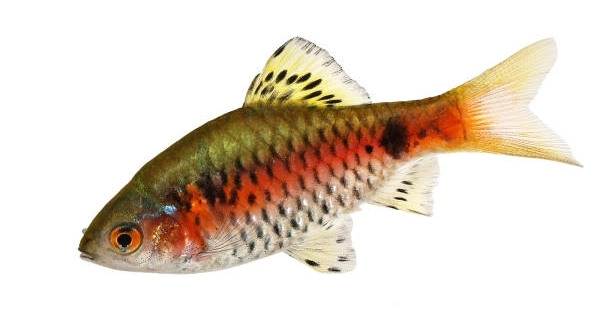
Rosy barbs are popular freshwater fish often kept in home aquariums for their vibrant colors and active behavior. Observing how they react to their surroundings can be quite interesting for fish enthusiasts and pet owners alike. Their behavior may give clues about their awareness.
Rosy barbs can detect movement and changes in their environment, which suggests they may sense when they are being watched. They respond to visual stimuli, showing caution or curiosity when something approaches their tank. However, this reaction is more about awareness than conscious observation.
Understanding how rosy barbs perceive their environment helps improve care and interaction with them. This article explores what their behavior reveals about their awareness and responses.
How Rosy Barbs Sense Movement Around Them
Rosy barbs rely heavily on their vision to understand their environment. Their eyes are adapted to detect movement quickly, which helps them spot predators or other fish nearby. When you approach their tank, they often notice the sudden changes in light or shadows. This awareness is not the same as knowing they are being watched like a person might, but it does mean they respond to external stimuli. They may swim away or become still, depending on how comfortable they feel. In groups, rosy barbs often react collectively, showing heightened alertness when something new enters their space. This behavior is natural and keeps them safe in their aquatic habitat.
This sensitivity to movement means rosy barbs can react to your presence even if you are silent or still. They do not understand watching as humans do, but their instinct to notice changes keeps them aware.
By recognizing these reactions, you can better understand how to approach your tank calmly. Approaching slowly helps reduce their stress and allows you to observe their natural behavior without startling them.
Signs That Rosy Barbs Notice Being Watched
When rosy barbs detect movement nearby, they may show signs of alertness such as quick swimming, hiding, or freezing in place. These are defensive responses triggered by their instincts.
These behaviors help rosy barbs protect themselves in unfamiliar or potentially dangerous situations. If they feel threatened, they might retreat to plants or decorations in the tank to feel more secure. The reactions can vary depending on the individual fish’s personality and how accustomed they are to human presence. Some rosy barbs become more relaxed over time, especially if they see the same person regularly and associate them with feeding or calm activity. Others remain cautious, responding quickly to any sudden approach or movement near their tank.
Paying attention to these subtle behaviors can improve how you interact with your fish. By reducing sudden movements or tapping on the glass, you help create a less stressful environment. Over time, this may encourage your rosy barbs to feel safer and behave more naturally, even when you are nearby.
How Rosy Barbs React to Human Presence
Rosy barbs often become alert when someone approaches their tank. They may swim closer or move away quickly depending on their mood and past experiences with people.
When rosy barbs see a person near their aquarium, their response depends on familiarity. Fish that are used to regular feeding and gentle movements may come closer, expecting food or interaction. On the other hand, sudden or fast movements often startle them, causing them to dart away or hide. Their natural instinct is to avoid potential threats, so any unexpected activity makes them cautious. Over time, consistent gentle presence can help reduce their stress and build trust, but it’s important to respect their boundaries.
Some rosy barbs react by freezing in place when they sense something unusual. This behavior helps them avoid drawing attention from predators. Watching these subtle reactions can give clues about their comfort level. If they are constantly startled, it’s a sign to approach more calmly or give them space.
Visual Cues and Tank Environment Impact Behavior
Rosy barbs respond strongly to changes in light, shadows, and reflections in their tank. These visual cues affect how they behave around people and other fish.
Reflections on aquarium glass can confuse rosy barbs, making them think another fish is nearby. This may cause them to act territorial or hide. Lighting changes, such as turning a room light on or off, can also startle them. A well-lit tank with natural light balance reduces stress and keeps them calm. Clear water and a clean tank help maintain good visibility, allowing rosy barbs to feel safe and alert without becoming anxious. Creating hiding spots with plants or decorations gives them a retreat when they feel watched or stressed. Monitoring these visual elements can improve their well-being and your experience as an observer.
Do Rosy Barbs Recognize Their Owners?
Rosy barbs do not recognize individual humans but can become familiar with regular visitors. They learn to associate certain people with feeding and care routines, which affects their behavior.
Familiarity helps reduce their stress and makes them more comfortable around those who care for them. Over time, they may respond more calmly to your presence.
How Feeding Influences Their Awareness
Feeding times are key moments when rosy barbs pay close attention. They quickly learn to associate your movements with food and become more alert and active around these times.
This learned behavior shows that while they may not “know” who is watching, they respond strongly to cues linked to their care and survival.
Stress and Overstimulation in Rosy Barbs
Constant attention or sudden changes can stress rosy barbs. Stress may cause hiding, erratic swimming, or loss of appetite, which impacts their health.
Minimizing sudden movements and allowing quiet observation helps keep rosy barbs relaxed and healthy.
FAQ
Can rosy barbs really tell if they are being watched?
Rosy barbs react mainly to movement and changes in light around their tank, not to the idea of being “watched” like humans do. They sense visual cues and may become alert or cautious when someone approaches. This response is based on instinct rather than conscious recognition.
Why do rosy barbs swim away when I look at them?
Swimming away is a natural defense. Sudden presence or movement near the tank can startle them. If they are not used to regular human interaction, they may feel threatened. Approaching slowly and calmly can reduce this reaction over time.
Do rosy barbs get used to their owners?
While they don’t recognize people individually, rosy barbs can become familiar with the routine and associate specific individuals with feeding or care. This familiarity can make them more comfortable and less likely to hide when you are near.
How can I help my rosy barbs feel less stressed when I watch them?
Avoid quick movements and loud noises near the tank. Approach slowly and keep your actions gentle. Providing plenty of hiding spots inside the aquarium also helps them feel safe when they sense activity outside the tank.
Is it normal for rosy barbs to freeze when I watch them?
Yes. Freezing is a natural behavior to avoid detection by predators. When they feel watched or threatened, staying still can help them feel more secure. This behavior does not mean they understand being observed but is a survival instinct.
Why do rosy barbs sometimes chase their reflections?
Reflections on the glass can confuse rosy barbs. They may see their own image as another fish intruding on their space and react by chasing or displaying territorial behavior. Using a tank background or adjusting lighting can reduce reflections.
Can rosy barbs recognize feeding time cues?
Yes. Rosy barbs quickly learn to associate certain actions, like approaching the tank or opening the food container, with feeding. This makes them more alert and active during those times, showing their ability to connect specific cues with rewards.
How do lighting changes affect rosy barb behavior?
Sudden changes in lighting can startle rosy barbs and cause stress. Consistent, balanced lighting that mimics natural conditions helps keep them calm. Avoid turning lights on or off abruptly near the tank to prevent unnecessary agitation.
What signs show that rosy barbs are stressed by being watched?
Signs include hiding for long periods, erratic swimming, loss of appetite, or discoloration. These behaviors indicate discomfort and stress. If you notice these, it’s best to reduce how often you approach or observe them closely and allow more quiet time.
Can rosy barbs learn to trust their owners?
They can become accustomed to regular, calm interactions and associate humans with positive experiences like feeding. This reduces their stress and makes them more approachable, but trust is based on consistent behavior rather than recognition.
Is it harmful to stare at rosy barbs for a long time?
Extended staring can cause stress as they may feel threatened or overly observed. It’s better to observe calmly and occasionally, allowing the fish to carry on with their natural activities without feeling pressured.
How can I make my rosy barbs more comfortable around me?
Keep your movements slow and steady when near the tank. Feed them regularly and create a peaceful environment with hiding spots. Over time, this approach helps reduce their anxiety and encourages natural, relaxed behavior around you.
Rosy barbs are sensitive fish that rely mostly on their vision to understand what is happening around them. They respond to movement, light changes, and other visual signals rather than truly knowing if they are being watched. This means their reactions, such as swimming away or freezing, come from natural instincts to stay safe. These behaviors are important for their survival in the wild and continue even when they live in an aquarium. Recognizing this helps us better understand their actions and avoid misinterpreting their responses.
Creating a calm and stable environment is key to helping rosy barbs feel comfortable. Sudden movements, loud noises, or harsh lighting can easily startle them and cause stress. Providing plenty of hiding spots and maintaining consistent feeding routines helps reduce their anxiety. Over time, rosy barbs can become familiar with their owners and the usual sounds and sights around their tank. This familiarity often results in less fearful and more relaxed behavior. While they don’t recognize individuals the way pets like dogs or cats do, they do learn to expect care and food from certain people, which makes them more confident in their surroundings.
Understanding the limits of how rosy barbs perceive their environment allows for better care and interaction. Watching them calmly without sudden interruptions helps them feel safe. Knowing their reactions are based on instinct rather than conscious awareness encourages patience. With gentle handling and respect for their natural behavior, rosy barbs can thrive and show their beautiful colors and lively personalities. These simple steps make the experience of keeping rosy barbs more rewarding for both the fish and their caretakers.

Hello,
If you enjoy the content that we create, please consider saying a "Thank You!" by leaving a tip.
Every little bit helps us continue crafting quality advice that supports the health, happiness, and well-being of pets around the world, for pets of all shapes, sizes, and species.
We really appreciate the kindness and support that you show us!