
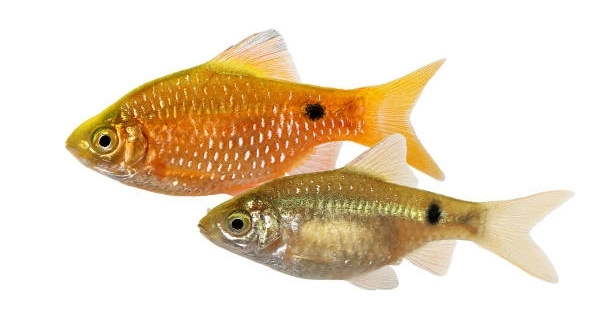
Rosy barbs are popular freshwater fish known for their bright colors and active behavior. Many aquarium enthusiasts notice their quick movements, especially when the fish feel threatened or startled. Understanding how these fish react to fear can help in creating a better environment for them.
Rosy barbs do not swim in reverse when afraid. Instead, they respond to threats by darting forward or hiding among plants. Their natural escape behavior involves quick forward bursts rather than swimming backward, which is uncommon for most fish species.
Knowing how rosy barbs react to fear can improve how you care for them and observe their natural behaviors in your aquarium. This insight helps maintain a calm and healthy habitat for your fish.
How Rosy Barbs Move When Startled
When rosy barbs feel threatened, their primary response is to swim quickly forward. This rapid movement helps them escape potential danger by putting distance between themselves and the perceived threat. Unlike some fish that might hover or freeze, rosy barbs tend to dart through the water actively. Their fins work to propel them efficiently, allowing for swift and agile bursts. These fish prefer to use cover, such as plants or decorations, to hide rather than swim backward. Swimming in reverse requires more energy and control, which is not their natural instinct. Observing rosy barbs in a well-planted tank reveals how they use their environment to feel safe, slipping behind leaves or rocks when startled. This behavior keeps them protected and reduces stress, which is important for their health and longevity.
Their quick forward swimming and use of hiding spots are key survival tactics in their natural and captive environments.
Understanding their natural escape responses helps maintain a calm aquarium and reduces unnecessary stress for the fish.
Reasons Why Rosy Barbs Don’t Swim Backward
Rosy barbs lack the physical adaptations needed to swim backward effectively. Most fish are built to move forward, with fins arranged to provide propulsion and steering in one direction. Swimming backward requires different muscle control and fin coordination, which rosy barbs do not possess. Additionally, backward swimming could increase their risk of injury, as it limits visibility and control over their movements. Instead, these fish rely on quick forward bursts to avoid threats. Their eyes and body shape are optimized for forward motion, making backward swimming awkward and inefficient. This limitation is common among many freshwater fish species. In aquariums, their behavior reflects this natural design—they dart forward and seek shelter rather than attempting to swim backward. This knowledge helps aquarium owners understand and better predict their fish’s behavior during stressful moments, leading to improved tank management and fish care.
How Fear Affects Rosy Barbs’ Swimming Behavior
When rosy barbs feel fear, their swimming becomes faster and more erratic. They try to escape quickly by darting forward, often seeking shelter among plants or decorations.
Fear triggers a burst of adrenaline in rosy barbs, making their movements sharp and sudden. This reaction helps them avoid predators or stressful situations. Instead of freezing or backing up, they focus on finding a safe spot. In an aquarium, sudden noises or rapid movements can cause this behavior. Understanding these reactions helps in creating a calm environment, reducing their stress levels. Over time, a less stressed fish is healthier and more vibrant.
Their flight response is natural and essential. It reflects their instinct to survive rather than a sign of poor health or tank conditions.
Tips to Reduce Stress and Fear in Rosy Barbs
Keeping water quality stable is vital to lowering stress in rosy barbs. Clean water reduces irritants that might scare or harm them.
Regular feeding with a balanced diet supports their health and helps them stay calm. Avoid sudden loud noises or quick movements around the tank, as these can startle the fish. Adding plants and hiding spots provides security, letting them retreat when frightened. A peaceful tank environment encourages natural behavior and keeps rosy barbs comfortable. These small changes make a big difference in their well-being and swimming behavior.
Recognizing Signs of Stress in Rosy Barbs
Stress in rosy barbs often shows as frantic swimming or hiding more than usual. They may lose their bright coloration and appear lethargic.
Other signs include rubbing against objects or reduced appetite. These behaviors indicate discomfort that needs addressing quickly to prevent health issues.
How Tank Setup Influences Rosy Barb Behavior
A well-arranged tank with plenty of plants and hiding places encourages natural, calm behavior in rosy barbs. Open spaces allow them to swim freely, but they also need shelter to retreat when scared. Proper lighting and stable water temperature further reduce stress. A tank that mimics their natural environment helps the fish feel secure and display normal swimming patterns, preventing erratic or fearful movements caused by discomfort or danger.
Impact of Tank Mates on Rosy Barbs
Aggressive or overly active tank mates can increase fear in rosy barbs. Choosing compatible fish reduces stress.
FAQ
Can rosy barbs actually swim backward?
No, rosy barbs do not swim backward. Their body and fin structure are designed for forward movement, which helps them escape danger quickly. When frightened, they dart forward rather than swim in reverse.
Why do rosy barbs dart suddenly in the tank?
Sudden darting is a natural fear response. It helps them avoid perceived threats by quickly putting distance between themselves and what scares them. Loud noises, sudden movements, or new tank additions often cause this behavior.
How can I tell if my rosy barbs are stressed?
Signs of stress include erratic swimming, hiding more often, loss of color, rubbing against objects, and decreased appetite. These symptoms show they are uncomfortable and need adjustments to their environment.
What tank conditions reduce fear in rosy barbs?
Stable water quality, proper temperature, plenty of plants, and hiding spots help rosy barbs feel safe. Avoid sudden noises and movements near the tank to keep stress levels low.
Can tank mates affect rosy barbs’ behavior?
Yes, aggressive or overly active tank mates can increase fear and stress in rosy barbs. It’s important to select peaceful, compatible species that won’t intimidate them.
Is it normal for rosy barbs to hide a lot?
Occasional hiding is normal, especially when they feel threatened. However, constant hiding could indicate stress or poor tank conditions, and it should be addressed to improve their well-being.
Do rosy barbs get used to their environment over time?
Yes, rosy barbs usually become more comfortable as they adapt to their tank. Consistent care and a stable environment reduce fear and encourage natural swimming behavior.
What should I do if my rosy barbs seem fearful all the time?
Check water quality, tank setup, and tank mates. Adding plants and hiding places can help. Also, minimize disturbances around the tank to create a calm atmosphere.
How often should I feed rosy barbs to keep them healthy?
Feeding small amounts two to three times a day is ideal. A balanced diet supports their health and reduces stress, helping them stay active and less fearful.
Can poor water quality cause fear in rosy barbs?
Yes, poor water conditions can cause discomfort and stress, making fish more prone to fearful behavior. Regular water changes and monitoring parameters are essential to keep them calm and healthy.
Rosy barbs are lively fish that react quickly when they feel threatened. Their natural instinct is to swim forward rapidly and find shelter rather than swim backward. This forward darting helps them escape danger efficiently. Understanding this behavior is important for anyone caring for rosy barbs. It allows you to create an environment that reduces their fear and stress. A calm and secure tank helps these fish show their natural, healthy behavior instead of erratic swimming.
Creating a comfortable home for rosy barbs involves more than just good water quality. Providing plenty of hiding places and plants is essential. These spots offer safety when the fish feel scared or startled. Also, selecting peaceful tank mates reduces stress and promotes harmony. Loud noises and sudden movements near the tank can make rosy barbs nervous. Paying attention to these details can make a big difference in how your fish behave. When they feel safe, they swim with ease and display their bright colors beautifully.
Maintaining a healthy, stable tank is key to keeping rosy barbs happy and less fearful. Regular feeding with a balanced diet supports their overall well-being. Keeping water parameters steady through routine maintenance avoids unnecessary stress. Observing your fish carefully can help you notice any signs of discomfort early. This way, you can make the needed changes before problems grow. When you care for rosy barbs with attention and patience, you encourage them to live a longer, healthier life in your aquarium.

Hello,
If you enjoy the content that we create, please consider saying a "Thank You!" by leaving a tip.
Every little bit helps us continue crafting quality advice that supports the health, happiness, and well-being of pets around the world, for pets of all shapes, sizes, and species.
We really appreciate the kindness and support that you show us!